

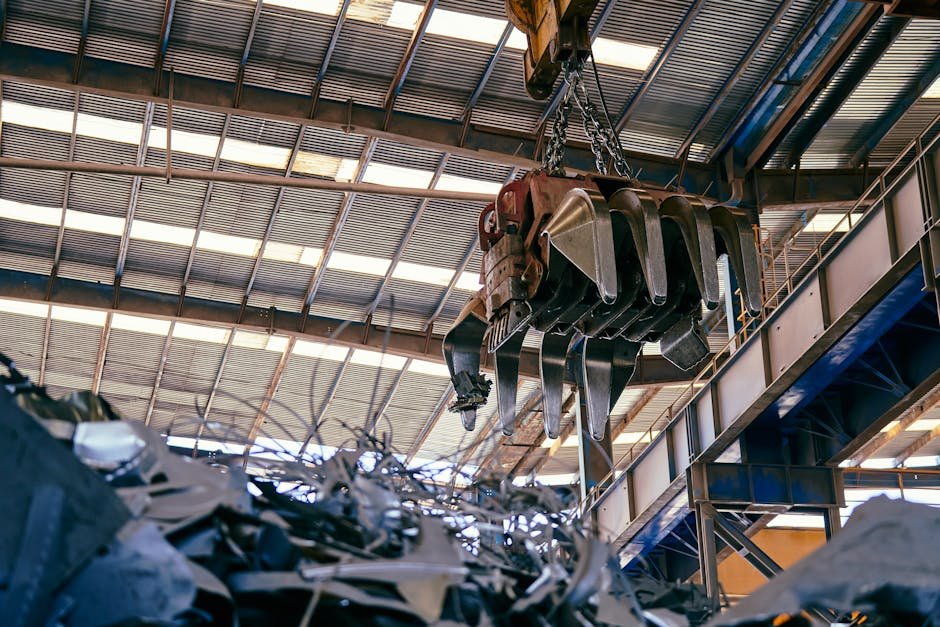
A global industrial recycling marketplace is transforming how industries manage waste, recover materials, and source secondary raw inputs across international supply chains. Instead of treating scrap and industrial by-products as disposal costs, businesses now view them as valuable tradable assets.
From metal scrap and plastics to e-waste and industrial surplus, global marketplaces connect suppliers, recyclers, and manufacturers in a unified digital ecosystem. This shift improves resource efficiency, reduces environmental impact, and strengthens the circular economy model.
In this guide, you’ll understand how the global industrial recycling marketplace works, what materials are traded, how pricing is determined, and why digital platforms are now essential for scaling international recycling operations.
What is a Global Industrial Recycling Marketplace?
A global industrial recycling marketplace is a digital trading ecosystem where recyclable industrial materials are bought and sold across international borders.
It connects:
- Manufacturers with surplus materials
- Recycling companies
- Scrap dealers and exporters
- Industrial buyers and processors
- Logistics and freight providers
The marketplace enables trade in materials such as:
- Metal scrap (steel, copper, aluminum)
- Plastic waste and polymers
- Electronic waste (e-waste)
- Industrial by-products
- Construction and demolition waste
Its core purpose is to maximize material recovery and minimize waste disposal.
How the Global Industrial Recycling Marketplace Works
1. Material Generation
Industries generate recyclable waste during:
- Manufacturing processes
- Construction projects
- Product lifecycle end-of-use
- Industrial overproduction
2. Listing on Marketplace
Suppliers upload materials with:
- Type and classification
- Quantity and weight
- Quality grade
- Location
- Pricing expectations
3. Buyer Discovery
Global recyclers and manufacturers search listings based on:
- Material demand
- Cost efficiency
- Regional availability
- Logistics feasibility
4. Transaction & Negotiation
Buyers and sellers finalize pricing and contract terms.
5. Logistics & Processing
Materials are:
- Shipped internationally
- Processed into reusable raw materials
- Integrated back into production cycles
Key Categories in Industrial Recycling Marketplaces
Metal Recycling Materials
- Steel scrap
- Copper wire and cathodes
- Aluminum sheets
- Brass and alloy scrap
Plastic Recycling Materials
- PET bottles
- HDPE and PVC scrap
- Industrial polymer waste
Electronic Waste (E-Waste)
- Circuit boards
- Cables and wiring
- Electronic devices
Industrial Surplus
- Manufacturing offcuts
- Overstock raw materials
- Machinery components
Construction Waste
- Concrete debris
- Steel beams
- Wood and insulation materials
Pricing in Global Industrial Recycling Marketplaces
Pricing depends on a mix of industrial and market-driven factors:
| Factor | Impact |
|---|---|
| Material purity | Higher purity increases value |
| Global commodity prices | Influences base market rates |
| Supply-demand balance | Drives volatility in pricing |
| Logistics costs | Freight reduces net returns |
| Processing requirements | Additional sorting reduces value |
Why Global Industrial Recycling Marketplaces Are Growing
1. Expansion of Circular Economy Models
Industries are shifting from linear to circular production systems.
2. Rising Raw Material Costs
Recycled materials offer cost advantages over virgin resources.
3. Environmental Regulations
Governments are enforcing recycling and waste reduction policies.
4. Industrial Sustainability Goals
Companies aim to reduce carbon footprint and improve ESG scores.
5. Digital Trade Transformation
Online platforms simplify global recycling transactions.
Role of Digital Platforms in Industrial Recycling
Modern marketplaces streamline recycling through:
- Real-time material listings
- Verified global supplier networks
- Transparent pricing systems
- Logistics and shipment coordination
- Secure international transactions
Platforms like ScrapTrade are helping integrate global recycling supply chains into one efficient ecosystem.
Challenges in Global Industrial Recycling Marketplaces
Despite growth, several challenges persist:
- Inconsistent material grading standards
- High logistics and shipping costs
- Regulatory restrictions across countries
- Lack of transparency in some regions
- Quality verification difficulties
Opportunities in Global Recycling Trade
The market is rapidly expanding due to:
- Rising demand for recycled raw materials
- Growth of manufacturing in emerging economies
- Increased adoption of ESG compliance frameworks
- Technological advancements in recycling
- Expansion of global supply chain integration
Industrial recycling marketplaces are becoming critical infrastructure for global resource efficiency.
FAQs – Global Industrial Recycling Marketplace
1. What is a global industrial recycling marketplace?
It is a digital platform where industrial recyclable materials are traded internationally between suppliers, recyclers, and manufacturers.
2. What materials are traded?
Common materials include metals, plastics, e-waste, industrial surplus, and construction waste.
3. Why are these marketplaces important?
They reduce waste, improve resource recovery, and support circular economy goals.
4. How do pricing systems work?
Pricing is based on material quality, global demand, logistics costs, and market conditions.
5. Are these platforms suitable for exporters?
Yes, exporters benefit from global buyer access and streamlined logistics coordination.
Conclusion
A global industrial recycling marketplace is a key driver of modern sustainability and resource efficiency. It connects industries worldwide, turning waste into valuable raw materials while reducing environmental impact.
As demand for recycled materials continues to grow, businesses that participate in global recycling marketplaces will gain stronger cost efficiency, sustainability performance, and supply chain resilience.
To explore global recycling trade opportunities, platforms like ScrapTrade provide a scalable digital ecosystem for industrial material exchange.