

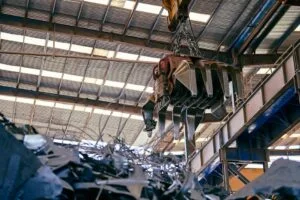
Managing scrap inventory efficiently is one of the biggest challenges for recyclers, manufacturers, scrap dealers, and industrial suppliers. Businesses often face issues like slow inventory turnover, inconsistent buyers, poor pricing visibility, and limited access to international demand.
A global scrap inventory marketplace solves these problems by creating a centralized platform where businesses can list, manage, buy, and sell scrap inventory in real time. Instead of depending solely on local buyers, companies can connect with a worldwide network of recyclers, traders, and manufacturers.
In this guide, you’ll learn how a global scrap inventory marketplace works, the types of materials traded, pricing structures, inventory management strategies, and how businesses can increase profits through global scrap trading.
What Is a Global Scrap Inventory Marketplace?
A global scrap inventory marketplace is a digital platform that allows businesses to manage and trade scrap materials across local and international markets.
It functions as an inventory-based B2B marketplace where users can:
- Upload scrap inventory listings
- Track material quantities
- Connect with buyers worldwide
- Compare pricing across regions
- Manage recurring inventory supply
- Coordinate logistics and exports
Unlike traditional scrap selling, inventory marketplaces focus on real-time availability and structured inventory management.
Businesses frequently use platforms such as Scrap Trade, Scrap Trade Australia, and Scrap Trade Now to manage global scrap inventory and connect with buyers.
Why Global Scrap Inventory Marketplaces Matter
Modern recycling and scrap industries depend on efficient inventory control.
A global inventory marketplace helps businesses:
- Reduce excess inventory storage
- Improve material turnover
- Access larger buyer networks
- Gain transparent pricing
- Scale recurring transactions
- Improve supply chain visibility
As global demand for recyclable materials increases, inventory marketplaces become essential for maintaining consistent trade flow.
Types of Scrap Inventory Listed in Marketplaces
Metal Scrap Inventory
Metals remain the largest category in scrap inventory marketplaces.
Common examples:
- Copper scrap
- Aluminum scrap
- Brass scrap
- Stainless steel
- Iron scrap
- Steel offcuts
Plastic Scrap Inventory
Plastic recycling inventory includes:
- HDPE scrap
- PET flakes
- LDPE films
- Industrial plastic waste
- PVC materials
Paper and Packaging Scrap
Common packaging inventory includes:
- Cardboard
- Mixed paper
- Corrugated waste
- Kraft paper
- Packaging cartons
Electronic Scrap Inventory
E-waste inventory often contains valuable materials.
Examples include:
- Circuit boards
- Copper cables
- Server hardware
- Industrial electronics
Industrial Scrap Inventory
Manufacturing facilities generate recurring industrial scrap.
Examples:
- Machine offcuts
- Fabrication waste
- Production leftovers
- Industrial metal parts
How a Global Scrap Inventory Marketplace Works
Step 1: Inventory Upload
Sellers create inventory listings with:
- Material category
- Quantity available
- Scrap grade
- Warehouse location
- Photos
- Frequency of supply
Step 2: Buyer Search and Matching
Buyers browse inventory based on:
- Material type
- Location
- Pricing
- Availability
Step 3: Inventory Pricing
Prices are based on:
- Scrap market demand
- Material quality
- Global commodity prices
- Quantity available
Step 4: Logistics Coordination
Marketplaces often support:
- Freight management
- Warehouse pickup
- Container shipping
- Export coordination
Step 5: Transaction Finalization
Businesses complete transactions using:
- Trade contracts
- Marketplace payment systems
- Bank transfer
- Bulk order agreements
Benefits of Using a Global Scrap Inventory Marketplace
Real-Time Inventory Visibility
Businesses know what inventory is available instantly.
Faster Sales Cycles
Inventory reaches buyers more quickly.
Better Price Discovery
Global demand creates pricing transparency.
International Buyer Access
Expand beyond local scrap networks.
Improved Inventory Turnover
Reduce long-term stock holding costs.
Scalable Scrap Operations
Supports recurring industrial supply chains.
Scrap Inventory Pricing Factors
Pricing changes depending on several conditions.
| Pricing Factor | Effect on Price |
|---|---|
| Material purity | Higher purity increases value |
| Inventory quantity | Bulk loads improve rates |
| Market demand | High demand boosts prices |
| Storage condition | Clean inventory sells faster |
| Export distance | Shipping affects margins |
Example Scrap Inventory Pricing
| Scrap Material | Estimated Price Range |
| Copper scrap | $6–$10 per kg |
| Aluminum scrap | $1–$3 per kg |
| Steel scrap | $150–$500 per tonne |
| Plastic waste | $200–$800 per tonne |
| Cardboard waste | $100–$300 per tonne |
Industries Using Scrap Inventory Marketplaces
Manufacturing Industry
Produces recurring scrap inventory.
Construction Industry
Generates metal and demolition waste.
Recycling Companies
Buy and sell materials continuously.
Automotive Sector
Produces reusable metal components.
Packaging Industry
Creates recyclable cardboard and paper waste.
Common Challenges in Scrap Inventory Trading
Inventory Accuracy
Incorrect quantity tracking creates delays.
Pricing Volatility
Scrap values fluctuate frequently.
Logistics Complexity
Large inventory requires freight coordination.
Buyer Verification
Unverified buyers increase transaction risk.
How to Optimize Scrap Inventory Marketplace Performance
Maintain Updated Inventory
Accurate listings improve buyer trust.
Organize Materials by Category
Sorted inventory sells faster.
Use High-Quality Images
Visual listings increase conversions.
Monitor Commodity Prices
Time sales strategically.
Use Trusted Platforms
Reliable platforms such as Scrap Trade improve trading performance.
Global Scrap Inventory Marketplace vs Traditional Scrap Storage
| Feature | Inventory Marketplace | Traditional Storage |
| Buyer reach | Global | Local |
| Inventory visibility | High | Limited |
| Pricing transparency | Strong | Weak |
| Sales speed | Fast | Slow |
| Revenue potential | High | Moderate |
Future of Global Scrap Inventory Marketplaces
Inventory-driven recycling platforms continue growing.
Future innovations include:
- AI inventory forecasting
- Smart pricing engines
- Blockchain inventory tracking
- Automated buyer matching
- Real-time stock availability
Digital marketplaces are becoming the standard for global scrap inventory management.
FAQs
What is a global scrap inventory marketplace?
A global scrap inventory marketplace is an online platform that helps businesses manage and trade recyclable materials across international markets.
Who uses scrap inventory marketplaces?
Manufacturers, recyclers, industrial suppliers, exporters, and scrap dealers commonly use these platforms.
How does inventory pricing work?
Pricing depends on material type, demand, quantity, quality, and transportation costs.
Can scrap inventory marketplaces support exports?
Yes. Many platforms support international logistics, documentation, and buyer matching.
Is scrap inventory management profitable?
Yes. Efficient inventory turnover reduces storage costs and improves revenue generation.
Conclusion
A global scrap inventory marketplace gives businesses the ability to manage recyclable materials more efficiently while expanding access to global buyers.
Instead of holding unused inventory or relying on local sales, businesses can optimize turnover, increase visibility, and improve profitability.