

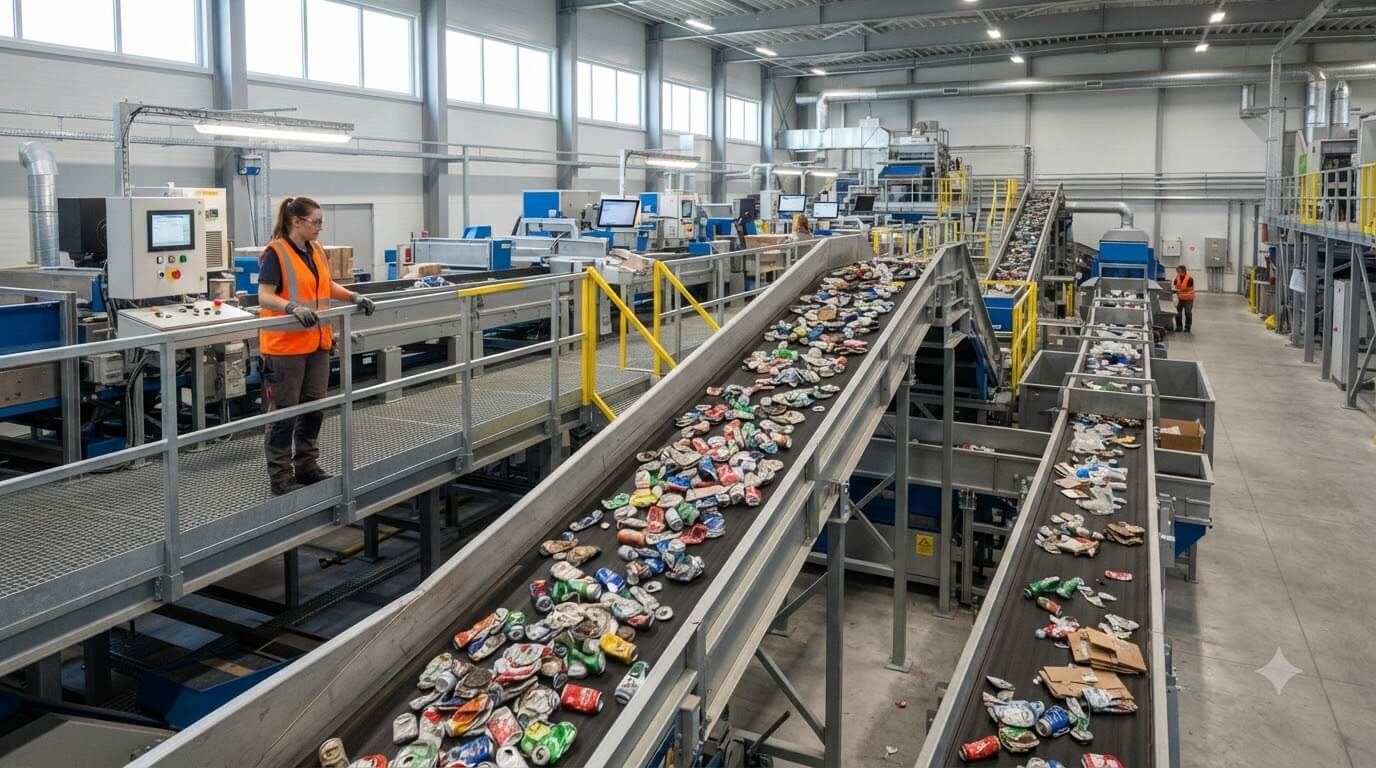
Managing accumulated metal and industrial scrap can be a major challenge for businesses, factories, warehouses, and construction sites. Unused steel, copper, aluminium, machinery parts, and production waste can quickly take up valuable storage space while increasing handling and disposal costs. When scrap is poorly managed, businesses may also miss opportunities to recover revenue from materials that still have significant recycling value.
Industrial scrap recycling services provide a practical solution by collecting, sorting, processing, and recycling unwanted materials through professional channels. Businesses can reduce waste, improve site organization, lower disposal expenses, and recover value from recyclable scrap.
What Are Industrial Scrap Recycling Services?
Industrial scrap recycling services help businesses collect, sort, process, and recycle unwanted materials generated during industrial operations. Instead of sending valuable scrap to landfill, businesses can recover materials such as steel, copper, aluminium, machinery parts, and metal offcuts.
These services help reduce disposal costs, free storage space, recover scrap value, and support sustainable business practices.
Understanding Industrial Scrap Recycling
Industrial Scrap Recycling
Industrial scrap recycling involves collecting and processing recyclable materials from factories, construction sites, warehouses, and other industrial facilities.
Industrial Scrap vs General Waste
Industrial scrap often contains valuable recyclable materials, while general waste may have little or no recovery value. Separating scrap from general waste helps businesses improve recycling and reduce disposal costs.
Why Recycling Matters
Recycling industrial scrap helps businesses recover revenue, conserve resources, reduce landfill waste, and improve environmental performance.
What Industries Generate Scrap?
Manufacturing
Produces metal offcuts, production waste, steel, aluminium, and copper.
Automotive
Generates vehicle parts, engines, steel, aluminium, and electrical components.
Construction
Produces structural steel, pipes, cables, machinery, and demolition scrap.
Engineering
Generates machining waste, metal offcuts, and damaged components.
Mining
Produces heavy machinery parts, equipment scrap, cables, and industrial metals.
Warehousing
Generates damaged equipment, shelving, packaging, and obsolete materials.
Machinery and Equipment
Old machinery can contain valuable steel, copper, aluminium, and other recyclable metals.
Types of Industrial Scrap That Can Be Recycled
Industrial businesses generate many types of recyclable scrap. Proper sorting helps recover valuable materials and improve recycling efficiency.
Ferrous Metal Scrap
Ferrous scrap contains iron and is commonly generated by factories, construction sites, and machinery operations. Common materials include steel, iron, HMS (Heavy Melting Steel), and machinery components.
Non-Ferrous Metal Scrap
Non-ferrous metals are valuable and widely recycled because they can be reused without significant loss of quality. Common types include copper, aluminium, brass, stainless steel, zinc, and lead.
Industrial Equipment and Machinery Scrap
Old or damaged industrial equipment can contain large amounts of recyclable metals. This includes old machinery, metal equipment, factory components, and industrial parts.
Electrical and Electronic Scrap
Electrical and electronic scrap contains recoverable metals and components. Common examples include motors, cables, electrical components, and circuit boards. Proper recycling helps recover valuable materials while reducing electronic waste.
How Industrial Scrap Recycling Works
Industrial scrap recycling follows a structured process to collect, process, and recover valuable materials from industrial waste. A professional approach helps businesses maximize scrap value while reducing disposal costs.
Step 1: Scrap Assessment
The process begins with an assessment of the available scrap. The material type is identified, the quantity is estimated, and its grade and quality are evaluated. Accurate assessment helps determine recycling requirements and potential scrap value.
Step 2: Scrap Collection
After assessment, the scrap is collected from the facility. Depending on the volume, businesses may use on-site collection, scheduled pickups, or bulk scrap removal services. Proper transportation ensures materials reach the recycling facility safely.
Step 3: Sorting and Processing
Collected scrap is separated according to material type and quality. Processing may involve cutting, shredding, and baling to prepare materials for efficient recycling and transportation.
Step 4: Recycling and Material Recovery
Processed metals are recycled through methods such as melting and refining. These processes recover usable metals and transform scrap into secondary raw materials suitable for industrial applications.
Step 5: Reuse and Resale
Recovered metals are returned to manufacturing supply chains where they can be used to produce new industrial products. This reduces the need for virgin raw materials, minimizes waste, and helps create a more sustainable circular economy.
Benefits of Industrial Scrap Recycling Services
Industrial scrap recycling services help businesses turn unwanted materials into valuable resources while improving waste management, safety, and sustainability. Professional recycling can also make scrap handling more efficient for factories, warehouses, and industrial facilities.
Recover Financial Value From Scrap
Industrial scrap such as copper, aluminium, steel, and brass has resale value. Recycling allows businesses to sell these materials to buyers and recover additional revenue from production waste and obsolete equipment.
Reduce Waste Disposal Costs
Recycling diverts valuable materials from landfill and reduces the volume of waste requiring disposal. This can help businesses lower waste management, handling, and disposal expenses.
Free Up Factory and Warehouse Space
Accumulated scrap can occupy valuable storage areas. Regular collection removes unwanted materials, creates more usable space, and helps businesses maintain organized facilities.
Improve Workplace Safety
Loose metal, damaged equipment, and industrial waste can create workplace hazards. Professional scrap removal helps reduce clutter, sharp materials, and unsafe storage conditions.
Reduce Environmental Impact
Recycling metals reduces landfill waste and the need for extracting new raw materials. It can also help conserve energy and natural resources while supporting more responsible industrial waste management.
Support Sustainable Manufacturing
Using recycled metals in manufacturing reduces dependence on virgin resources and supports circular economy principles. Businesses can improve resource efficiency while strengthening their overall sustainability practices.
Industrial Scrap Collection Services for Businesses
Industrial scrap collection services help factories, warehouses, construction companies, and other businesses manage scrap efficiently. Professional collection reduces storage problems, supports recycling, and helps businesses recover value from recyclable materials.
Scheduled Scrap Pickup
Businesses can arrange regular scrap collection based on their operational needs. Weekly, monthly, or custom pickup schedules help prevent scrap from accumulating and keep facilities organized.
Bulk Industrial Scrap Removal
Bulk removal services are suitable for businesses handling large quantities of industrial scrap. They can support factory cleanouts, equipment removal, and large-scale scrap collection, making it easier to clear valuable space and manage heavy materials.
On-Site Scrap Management
On-site scrap management provides a more organized approach to handling recyclable materials. Businesses can use collection containers, material segregation, and inventory tracking to separate scrap efficiently and monitor accumulated materials.
A structured collection system can improve workplace organization, reduce unnecessary disposal costs, and ensure recyclable materials are ready for processing or resale. Businesses can also use digital platforms such as ScrapTrade to connect with buyers and explore opportunities to sell industrial scrap.
How to Choose an Industrial Scrap Recycling Service
Choosing the right industrial scrap recycling service can help businesses recover more value from scrap while reducing disposal costs and operational problems. The right recycling partner should offer reliable collection, transparent pricing, efficient processing, and flexible services.
Verify the Recycling Company
Check the company's experience, licensing, reputation, and customer feedback before working with a recycling provider. A reliable company should follow appropriate environmental and safety practices and provide clear information about its services.
Compare Scrap Prices
Scrap prices vary according to material type, grade, purity, quantity, and market conditions. Compare offers from different buyers and understand how transportation, processing, and other costs may affect the final payment.
Check Collection and Logistics
Choose a provider that can handle your collection requirements efficiently. Consider on-site pickup, scheduled collections, bulk removal, loading, transportation, and delivery arrangements, particularly when dealing with heavy industrial scrap.
Review Recycling Capabilities
Make sure the provider can properly handle the types of materials your business generates. This may include ferrous metals, non-ferrous metals, machinery, electrical scrap, and industrial equipment.
Consider Volume and Contract Flexibility
Your recycling needs may change over time. Look for providers that can handle both occasional bulk loads and regular scrap volumes, with flexible pickup schedules and contract terms that match your operations.
Look for Reliable Buyer Networks
A strong buyer network can provide access to more selling opportunities and potentially improve scrap value. Digital platforms such as ScrapTrade Global Marketplace can help businesses connect with scrap buyers and explore B2B trading opportunities across different markets.
How Businesses Can Maximize Industrial Scrap Value
Businesses can increase the value of industrial scrap by improving how materials are collected, stored, tracked, and sold. Proper scrap management reduces contamination, improves material quality, and helps businesses make better selling decisions.
Separate Ferrous and Non-Ferrous Metals
Keep ferrous metals such as steel and iron separate from non-ferrous metals such as copper, aluminium, and brass. Proper segregation makes processing easier and helps buyers accurately evaluate each material.
Keep Scrap Clean and Contamination-Free
Clean scrap generally requires less processing and can attract better offers. Remove dirt, plastics, chemicals, and other unwanted materials where practical. Store scrap in suitable containers to prevent contamination.
Track Scrap Inventory
Maintain records of the type, quantity, quality, and location of accumulated scrap. Regular inventory tracking helps businesses identify valuable materials, plan pickups, and avoid unnecessary storage.
Monitor Market Prices
Scrap prices can change based on commodity markets, supply, demand, and regional conditions. Monitoring current market prices helps businesses evaluate buyer offers and choose an appropriate time to sell.
Sell Larger Quantities When Practical
Consolidating scrap into larger loads may improve transportation efficiency and attract stronger offers from some buyers. However, businesses should balance bulk selling with storage capacity, cash-flow requirements, and market conditions.
Compare Multiple Buyer Offers
Avoid relying on a single buyer when possible. Compare offers based on price, material specifications, pickup costs, payment terms, and service quality. Online platforms such as ScrapTrade can help businesses connect with multiple scrap buyers and explore competitive B2B selling opportunities.
Future of Industrial Scrap Recycling
The future of industrial scrap recycling is becoming more technology-driven, efficient, and sustainable. Businesses are increasingly using automation, digital marketplaces, real-time pricing, and data analytics to recover more value from industrial scrap while reducing waste.
AI-Powered Scrap Sorting
Artificial intelligence can help identify and separate different types of scrap more accurately. AI-based sorting systems can recognize metals and other materials, reduce sorting errors, and improve the recovery of valuable resources.
Automated Recycling Facilities
Robotics, sensors, shredders, and automated processing equipment are transforming modern recycling facilities. Automation can increase processing capacity, improve worker safety, and reduce the time required to sort and prepare industrial scrap.
Digital Scrap Trading
Digital scrap marketplaces are making it easier for businesses to connect with buyers and sellers. Companies can list materials, discover suppliers, compare offers, and manage B2B scrap trading opportunities through online platforms such as ScrapTrade.
Real-Time Scrap Pricing
Real-time and frequently updated scrap price information can help businesses make better selling and purchasing decisions. Tracking market movements allows sellers to evaluate offers based on current demand, material quality, and market conditions.
Data-Driven Scrap Management
Businesses can use digital inventory systems and data analytics to track scrap quantities, material types, collection schedules, and sales performance. This information helps identify waste patterns, improve inventory control, and maximize scrap value.
Circular Economy and Sustainable Manufacturing
Industrial scrap recycling will play an important role in the circular economy by returning recovered materials to manufacturing supply chains. Reusing metals reduces dependence on virgin resources, limits landfill waste, and supports more sustainable manufacturing practices.
FAQs
What are industrial scrap recycling services?
Industrial scrap recycling services help businesses collect, sort, process, and recycle materials generated from manufacturing, construction, engineering, mining, and other industrial activities. These services can handle metals, machinery, electrical components, and production waste, helping businesses recover value while reducing disposal costs and waste.
What types of industrial scrap can be recycled?
Common recyclable industrial scrap includes ferrous metals such as steel, iron, and HMS, as well as non-ferrous metals like copper, aluminium, brass, stainless steel, zinc, and lead. Old machinery, factory equipment, cables, motors, and electrical components may also contain valuable recyclable materials.
How does industrial scrap collection work?
The process usually begins with identifying the material type, quantity, and quality. A recycling provider then arranges on-site collection, scheduled pickups, or bulk scrap removal. After collection, materials are sorted, processed, and recycled to recover usable metals and other valuable resources.
How can businesses get better prices for industrial scrap?
Businesses can improve industrial scrap value by separating different metals, keeping materials clean, tracking quantities, and selling larger volumes when practical. Comparing multiple buyer offers and monitoring market conditions can also help. Platforms such as ScrapTrade can help businesses connect with potential scrap buyers and explore competitive trading opportunities.
Conclusion
Industrial scrap is both a waste-management challenge and a valuable business resource. When metals, machinery components, production offcuts, and other industrial materials are left unmanaged, they can occupy valuable space and increase disposal costs. With professional industrial scrap recycling services, businesses can recover valuable materials while improving their overall waste management.
Proper sorting, clean storage, accurate inventory tracking, market price research, and careful buyer selection can help businesses maximize the value of their scrap. Selling materials to suitable buyers also creates opportunities to generate additional revenue from waste.