

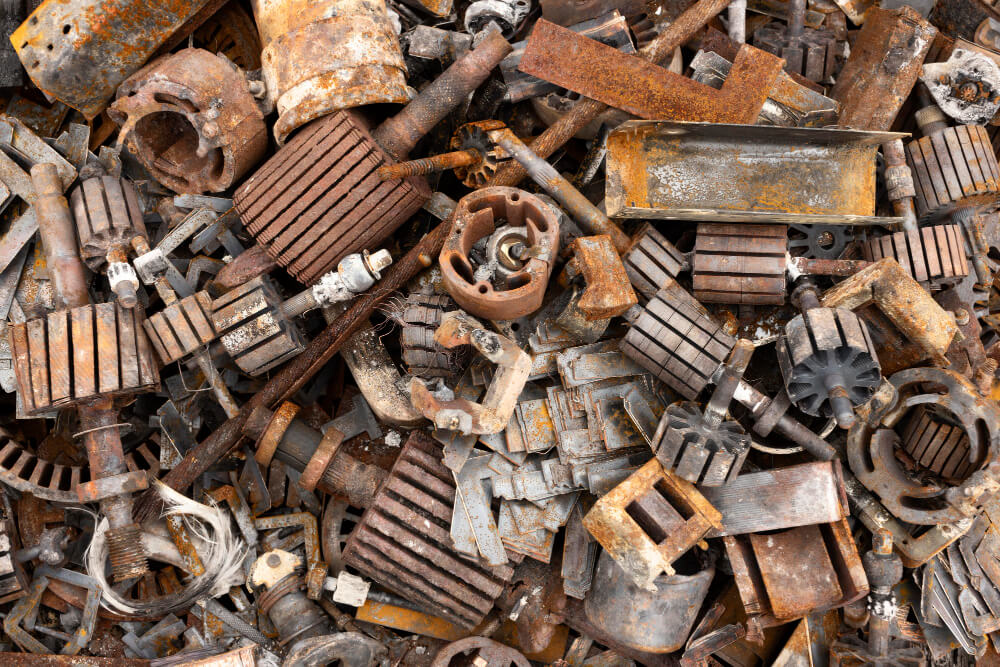
Industrial waste disposal has become one of the biggest operational challenges for manufacturers, factories, warehouses, and industrial businesses. Many companies struggle with rising disposal costs, environmental regulations, and the difficulty of finding verified buyers for recyclable waste.
An industrial waste trading marketplace solves this problem by connecting waste generators with buyers, recyclers, processors, and traders in one centralized platform. Instead of paying high landfill or disposal fees, businesses can sell industrial waste materials directly to companies that can reuse or recycle them.
In this guide, you’ll learn how an industrial waste trading marketplace works, what materials can be traded, how pricing works, the benefits for businesses, and how to maximize profits through online waste trading.
What Is an Industrial Waste Trading Marketplace?
An industrial waste trading marketplace is an online platform where businesses can buy, sell, exchange, or recycle industrial waste materials.
These platforms create a direct link between:
- Manufacturers
- Scrap buyers
- Recycling companies
- Waste processors
- Exporters
- Industrial suppliers
- Commodity traders
Rather than sending waste to landfills, businesses can monetize waste streams through structured industrial trading networks.
Common marketplace functions include:
- Waste listing and posting
- Buyer discovery
- Material pricing transparency
- Logistics coordination
- Bulk material transactions
- Recycling partnerships
- Marketplace bidding systems
Many companies now use platforms like Scrap Trade, Scrap Trade Australia, and Scrap Trade Now to streamline industrial waste transactions.
Types of Industrial Waste Sold in a Trading Marketplace
Industrial waste marketplaces handle multiple material categories.
Metal Waste
Common industrial metal waste includes:
- Steel scrap
- Aluminum scrap
- Copper scrap
- Brass scrap
- Stainless steel
- Iron scrap
- Zinc materials
- Industrial machine parts
Metal waste usually has the highest resale value due to strong recycling demand.
Plastic Industrial Waste
Plastic industrial waste often comes from manufacturing and packaging industries.
Examples include:
- HDPE waste
- LDPE film scrap
- PVC industrial scrap
- PET waste
- Injection molding scrap
- Plastic drums
- Packaging waste
Paper and Packaging Waste
Industrial facilities generate large amounts of recyclable packaging.
Common examples:
- Cardboard
- Corrugated paper
- Kraft paper
- Industrial cartons
- Bulk packaging waste
- Paper production scraps
Electronic Industrial Waste
Industrial e-waste is increasingly traded due to material recovery value.
Examples include:
- Circuit boards
- Server equipment
- Electrical cables
- Transformers
- Industrial batteries
- Automation systems
Chemical and Manufacturing Waste
Some marketplaces support regulated industrial by-products.
Examples include:
- Used oils
- Solvents
- Chemical residues
- Manufacturing sludge
- Industrial ash
- Process waste
How an Industrial Waste Trading Marketplace Works
Industrial waste marketplaces typically follow a straightforward process.
Step 1: Waste Material Listing
A seller uploads material details such as:
- Waste category
- Quantity
- Material condition
- Photos
- Pickup location
- Packaging type
- Frequency of supply
Step 2: Buyer Matching
The marketplace connects the listing with interested buyers.
Buyers may include:
- Recycling companies
- Scrap exporters
- Local traders
- Manufacturing businesses
- Commodity processors
Step 3: Pricing and Negotiation
Pricing may depend on:
- Material quality
- Market demand
- Purity level
- Geographic location
- Quantity
- Transportation cost
Step 4: Collection and Logistics
Many industrial waste marketplaces support:
- Freight coordination
- Warehouse pickup
- Bulk shipping
- Container logistics
- Industrial transport scheduling
Step 5: Payment and Settlement
Transactions are finalized through:
- Marketplace payment systems
- Direct transfer
- Contract agreements
- Bulk order invoicing
Benefits of Using an Industrial Waste Trading Marketplace
Businesses are moving toward waste marketplaces because of financial and operational advantages.
Lower Waste Disposal Costs
Instead of paying disposal companies, businesses can recover value from waste.
Increased Revenue from Waste Materials
Industrial by-products become secondary income sources.
Better Sustainability Performance
Waste marketplaces support circular economy practices.
Improved Buyer Access
Companies gain access to verified industrial buyers.
Transparent Market Pricing
Pricing visibility helps sellers avoid undervaluation.
Faster Bulk Transactions
Industrial waste marketplaces simplify recurring trade relationships.
Industrial Waste Marketplace Pricing Factors
Industrial waste prices vary depending on several variables.
| Pricing Factor | Impact on Value |
|---|---|
| Material purity | Higher purity increases price |
| Quantity | Bulk loads receive better pricing |
| Market demand | Higher demand raises rates |
| Contamination level | Lower contamination improves value |
| Transportation | Long distance reduces net profit |
| Packaging | Organized loads sell faster |
Example Pricing Table
| Industrial Waste Material | Estimated Price Range |
| Copper scrap | $6–$9 per kg |
| Aluminum scrap | $1–$3 per kg |
| Steel scrap | $0.15–$0.50 per kg |
| Plastic waste | $0.20–$1 per kg |
| Cardboard waste | $100–$250 per tonne |
Pricing changes based on commodity markets and buyer demand.
Who Uses Industrial Waste Trading Marketplaces?
Industrial waste trading platforms serve multiple industries.
Manufacturing Companies
Factories generate high-volume scrap and recyclable by-products.
Warehousing and Logistics Businesses
Packaging waste can be sold regularly.
Construction Companies
Construction waste often contains recyclable metals and plastics.
Mining and Heavy Industry
Large-scale industrial operations create reusable secondary materials.
Recycling Businesses
Recyclers use marketplaces to source bulk industrial feedstock.
Exporters and Commodity Traders
Global buyers seek industrial waste for reprocessing.
How to Maximize Profit from Industrial Waste Trading
Sort Waste by Material Type
Mixed waste receives lower pricing.
Sorting materials improves resale value.
Remove Contamination
Clean materials attract better buyers.
Sell in Bulk Quantities
Larger loads reduce handling costs.
Use Verified Trading Platforms
Reliable marketplaces increase transaction trust.
Platforms such as Scrap Trade and Scrap Trade Australia help businesses connect with industrial buyers efficiently.
Track Commodity Prices
Industrial waste pricing often follows scrap commodity markets.
Monitoring demand can increase profitability.
Industrial Waste Marketplace vs Traditional Waste Disposal
| Feature | Industrial Waste Marketplace | Traditional Disposal |
| Revenue potential | High | None |
| Buyer access | Large network | Limited |
| Sustainability | Strong | Weak |
| Cost savings | High | Low |
| Recycling opportunities | Extensive | Minimal |
Businesses shifting toward marketplace-based waste trading usually experience lower operating costs and stronger sustainability performance.
Challenges in Industrial Waste Trading
While marketplaces offer benefits, some challenges remain.
Logistics Complexity
Heavy materials require freight planning.
Quality Verification
Buyers often request detailed material specifications.
Pricing Fluctuation
Commodity prices can change quickly.
Compliance Requirements
Certain industrial waste categories require permits.
Marketplace Competition
High-volume sellers compete with other suppliers.
Future of Industrial Waste Trading Marketplaces
Industrial waste trading continues to grow due to sustainability goals and circular economy adoption.
Future trends include:
- AI-powered waste matching
- Blockchain transaction records
- Automated pricing systems
- Real-time waste auctions
- Industrial recycling networks
- Cross-border material sourcing
As industrial waste becomes more valuable, digital marketplaces will continue replacing traditional disposal systems.
FAQs
What is an industrial waste trading marketplace?
An industrial waste trading marketplace is an online platform that connects waste sellers with buyers, recyclers, and processors. Businesses can list industrial waste materials for resale or recycling instead of sending them to landfills.
Can industrial waste be sold legally?
Yes. Many industrial waste materials can be sold legally if they meet local environmental regulations. Certain hazardous waste categories may require licensing, permits, or specialized handling.
What industrial waste has the highest resale value?
High-value industrial waste often includes copper scrap, aluminum, stainless steel, electronic waste, and reusable manufacturing by-products.
How do industrial waste marketplaces make money?
Marketplaces may charge listing fees, commissions, subscriptions, transaction fees, or logistics coordination fees.
Is industrial waste trading profitable?
Yes. Businesses can reduce disposal costs and generate revenue by selling recyclable industrial materials through verified marketplaces.
Conclusion
An industrial waste trading marketplace creates a profitable bridge between waste generators and industrial buyers. Rather than treating industrial waste as a disposal problem, businesses can convert waste streams into revenue opportunities.
Companies that use industrial waste marketplaces gain better pricing visibility, access to verified buyers, and stronger sustainability outcomes.