

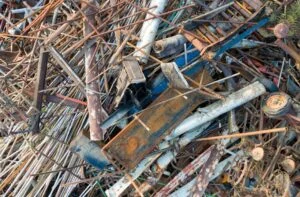
Recycling businesses, manufacturers, and waste processors often struggle to find consistent buyers for recyclable materials across international markets. Local demand may not always provide competitive pricing, leaving valuable materials underutilized or sold below market value.
An international recycling materials exchange solves this challenge by creating a centralized platform where recyclable materials can be traded globally. It connects suppliers, exporters, recyclers, and industrial buyers through a structured marketplace designed to improve pricing, visibility, and trade efficiency.
In this guide, you’ll learn how an international recycling materials exchange works, what materials are traded, pricing structures, benefits, challenges, and how businesses can scale through global recycling networks.
What Is an International Recycling Materials Exchange?
An international recycling materials exchange is a digital or marketplace-based system where recyclable materials are bought, sold, traded, or exported between businesses globally.
The exchange acts as a bridge between:
- Recycling companies
- Scrap suppliers
- Industrial manufacturers
- Exporters
- Commodity traders
- Waste management companies
- Global buyers
These exchanges create a structured ecosystem for recyclable material trading.
Popular trading platforms include Scrap Trade, Scrap Trade Australia, and Scrap Trade Now, which support global recycling trade connections.
Why International Recycling Material Exchanges Matter
The recycling industry increasingly depends on global demand.
Recycling exchanges help businesses:
- Reach international buyers
- Improve price discovery
- Reduce waste disposal costs
- Increase material recovery value
- Support circular economy practices
- Expand export opportunities
International exchanges create more competitive marketplaces than local-only selling.
Types of Materials Traded in Recycling Exchanges
Metal Recycling Materials
Metal remains the highest-demand category.
Common materials include:
- Copper scrap
- Aluminum scrap
- Steel scrap
- Brass scrap
- Iron materials
- Stainless steel
Plastic Recycling Materials
Global demand for plastic recycling continues growing.
Examples include:
- PET bottles
- HDPE containers
- LDPE film scrap
- PVC waste
- Industrial plastic offcuts
Paper and Fiber Recycling
Paper recycling supports packaging industries.
Common materials include:
- Corrugated cardboard
- Mixed paper waste
- Kraft paper
- Industrial cartons
Electronic Recycling Materials
Electronic waste contains reusable metals.
Examples include:
- Circuit boards
- Copper wires
- Computer hardware
- Industrial electronics
Industrial Waste Materials
Manufacturing by-products often enter recycling exchanges.
Examples include:
- Factory scrap
- Production waste
- Metal offcuts
- Process residues
How an International Recycling Materials Exchange Works
Step 1: Material Listing
Businesses upload listings with:
- Material category
- Quantity
- Purity level
- Photos
- Packaging details
- Export location
Step 2: Buyer Matching
Buyers search by:
- Material type
- Region
- Volume
- Quality grade
Step 3: Pricing Negotiation
Prices depend on:
- Global demand
- Commodity trends
- Material purity
- Shipping distance
- Quantity available
Step 4: Freight and Logistics
Exchange platforms often support:
- Sea freight
- Container shipping
- Bulk logistics
- Port coordination
Step 5: Export Documentation
Common requirements include:
- Invoice
- Packing list
- Bill of lading
- Export permits
- Inspection certificates
Step 6: Payment Completion
Transactions may use:
- Bank transfers
- Trade escrow
- Letter of credit
- Commercial contracts
Benefits of an International Recycling Materials Exchange
Access to Global Markets
Expand beyond local buyers.
Better Pricing Opportunities
International demand creates stronger competition.
Faster Material Turnover
Materials move quickly through large buyer networks.
Improved Sustainability
Supports global circular economy goals.
Reduced Waste Disposal Costs
Recyclable materials generate revenue instead of landfill expenses.
Pricing Structure in Recycling Material Exchanges
Recyclable material pricing depends on multiple factors.
| Material Type | Estimated Price Range |
|---|---|
| Copper scrap | $6–$10 per kg |
| Aluminum scrap | $1–$3 per kg |
| Steel scrap | $150–$450 per tonne |
| Plastic scrap | $200–$700 per tonne |
| Cardboard waste | $100–$300 per tonne |
Key Pricing Drivers
- Commodity pricing
- Material grade
- Export destination
- Demand trends
- Freight costs
Industries That Use Recycling Material Exchanges
Manufacturing
Produces recurring recyclable waste.
Construction
Generates metal and material scrap.
Automotive Industry
Recycles metal components.
Packaging Industry
Trades recyclable paper and plastics.
Electronics Industry
Processes valuable e-waste.
Common Challenges in International Recycling Exchanges
Export Regulations
Rules vary by country.
Material Quality Control
Buyers require verified quality.
Logistics Complexity
International shipping requires coordination.
Market Volatility
Commodity prices fluctuate.
How to Succeed in Recycling Material Exchanges
Maintain Material Purity
Clean materials attract better pricing.
Provide Accurate Listings
Transparency improves buyer trust.
Use Trusted Platforms
Reliable exchanges like Scrap Trade improve trade quality.
Track Global Pricing Trends
Sell at optimal market timing.
Build Long-Term Buyer Relationships
Recurring partnerships improve revenue.
Recycling Materials Exchange vs Traditional Recycling Sales
| Feature | Recycling Materials Exchange | Traditional Sales |
| Buyer reach | Global | Local |
| Pricing transparency | Strong | Weak |
| Export support | Yes | Limited |
| Scalability | High | Moderate |
| Revenue potential | High | Moderate |
Future of International Recycling Material Exchanges
Digital transformation is changing global recycling.
Emerging trends include:
- AI-powered buyer matching
- Smart recycling marketplaces
- Blockchain transaction tracking
- Real-time commodity pricing
- Automated logistics systems
International exchanges will continue expanding as recycling demand grows.
FAQs
What is an international recycling materials exchange?
It is a platform where recyclable materials are traded globally between buyers, sellers, recyclers, and exporters.
Which materials are commonly traded?
Metals, plastics, paper, electronics, and industrial waste are commonly exchanged.
Is global recycling trade profitable?
Yes. Access to international demand often improves pricing and transaction volume.
Do recycling exchanges support exports?
Yes. Many exchanges facilitate logistics, documentation, and buyer matching.
How can businesses join a recycling materials exchange?
Businesses can register on recycling marketplaces and list recyclable inventory for buyers.
Conclusion
An international recycling materials exchange creates a powerful connection between recyclable material suppliers and global buyers.
It improves market access, strengthens pricing transparency, and supports circular economy initiatives.
Businesses that adopt recycling exchanges gain access to larger buyer networks and stronger revenue opportunities.