

An international scrap brokerage marketplace plays a crucial role in global recycling and secondary raw material trade by acting as an intermediary between scrap suppliers and buyers across different countries. Instead of relying on fragmented local agents, businesses now use structured digital brokerage platforms to negotiate, source, and execute international scrap transactions more efficiently.
These marketplaces are especially important for handling price discovery, quality verification, logistics coordination, and cross-border compliance in the scrap industry. From metal scrap and plastics to e-waste and industrial surplus, brokers help align global supply with demand in real time.
In this guide, you’ll learn how international scrap brokerage marketplaces work, what materials are traded, how brokers earn, pricing structures, and why these platforms are essential for modern global scrap trade.
What is an International Scrap Brokerage Marketplace?
An international scrap brokerage marketplace is a digital or hybrid platform where scrap brokers facilitate transactions between global buyers and sellers of recyclable materials.
These marketplaces enable:
- Scrap deal facilitation across countries
- Price negotiation between parties
- Verified buyer-seller matching
- Logistics and shipment coordination
- Risk management in international trade
Brokers typically handle materials such as:
- Ferrous and non-ferrous metals
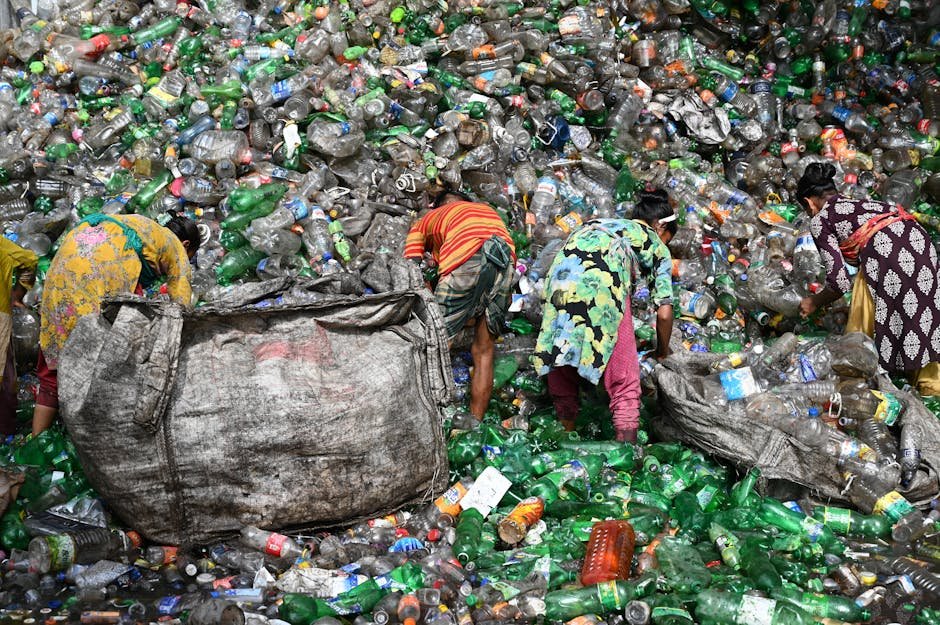
- Plastic scrap and polymers
- Electronic waste (e-waste)
- Industrial surplus materials
- Construction and demolition scrap
The broker’s role is to bridge gaps in trust, pricing, and logistics.
How an International Scrap Brokerage Marketplace Works
1. Supplier Listing & Scrap Sourcing
Suppliers provide details about available materials:
- Scrap type and grade
- Quantity and weight
- Location
- Pricing expectations
- Material condition
2. Broker Evaluation & Matching
Brokers evaluate listings and match them with potential buyers based on:
- Demand requirements
- Market pricing trends
- Geographic feasibility
- Shipping costs
3. Buyer Negotiation Process
Brokers facilitate:
- Price negotiations
- Contract structuring
- Payment terms discussions
4. Logistics & Export Coordination
Once deals are finalized:
- Freight booking is arranged
- Export documentation is prepared
- Customs clearance is managed
5. Final Delivery & Settlement
Materials are delivered to buyers, and payments are processed through agreed channels.
Types of Scrap Managed in Brokerage Marketplaces
Metal Scrap
- Steel scrap
- Copper wire and cathodes
- Aluminum sheets
- Brass and alloy materials
Plastic Scrap
- PET bottles
- HDPE and PVC waste
- Industrial polymer scrap
Electronic Waste
- Circuit boards
- Cables and wiring
- Electronic components
Industrial Surplus
- Manufacturing leftovers
- Excess inventory
- Production offcuts
Pricing Structure in Scrap Brokerage Marketplaces
Pricing is influenced by multiple global factors:
| Factor | Impact |
|---|---|
| Scrap quality | Higher grade increases value |
| Global demand | Market cycles affect pricing |
| Broker margin | Commission added to deals |
| Freight costs | Impacts final landed price |
| Currency exchange | Affects international transactions |
Broker Commission Model
- Typically 1%–5% per transaction
- Higher for complex cross-border deals
- Includes sourcing, negotiation, and logistics coordination
Why International Scrap Brokerage Marketplaces Are Growing
1. Increasing Global Scrap Demand
Manufacturers rely on recycled materials for cost efficiency.
2. Complexity of Cross-Border Trade
Brokers simplify regulations, logistics, and negotiations.
3. Price Volatility in Commodities
Brokers help stabilize deal execution amid fluctuating prices.
4. Digital Transformation of Scrap Trade
Online marketplaces are replacing traditional broker-only networks.
5. Expansion of Circular Economy
Industries prioritize reuse and material recovery.
Role of Digital Platforms in Scrap Brokerage
Modern brokerage marketplaces provide:
- Verified global buyer-seller networks
- Real-time scrap listings
- Automated deal matching
- Transparent pricing systems
- Integrated logistics coordination
Platforms like ScrapTrade are enabling brokers and traders to operate efficiently in a global digital ecosystem.
Challenges in Scrap Brokerage Marketplaces
Despite growth, challenges include:
- Trust and fraud risks in cross-border deals
- Inconsistent scrap grading standards
- High logistics and freight costs
- Regulatory complexity across countries
- Currency and payment settlement issues
Opportunities in Global Scrap Brokerage Networks
The sector is expanding due to:
- Rising industrial recycling demand
- Growth of global manufacturing supply chains
- Increased adoption of ESG compliance
- Digitalization of commodity trading
- Expansion of secondary raw material markets
Brokerage marketplaces are becoming key infrastructure in global recycling systems.
FAQs – International Scrap Brokerage Marketplace
1. What is an international scrap brokerage marketplace?
It is a platform where brokers connect buyers and sellers of scrap materials and facilitate international trade transactions.
2. What role do scrap brokers play?
Brokers handle negotiation, sourcing, pricing coordination, and logistics for scrap transactions.
3. What materials are traded?
Common materials include metal scrap, plastics, e-waste, and industrial surplus.
4. How do brokers earn money?
They earn commissions, typically 1%–5% per transaction, depending on deal complexity.
5. Why are brokerage platforms important?
They simplify international scrap trade and reduce risks in cross-border transactions.
Conclusion
An international scrap brokerage marketplace is a vital component of global recycling infrastructure. It connects buyers and sellers across borders, ensures smooth negotiation processes, and reduces complexity in international scrap trade.
As demand for recycled materials continues to grow, brokerage platforms will remain essential for ensuring efficient, transparent, and scalable global scrap transactions.
To participate in modern scrap trading ecosystems, platforms like ScrapTrade provide the digital infrastructure needed for global brokerage and material exchange.