

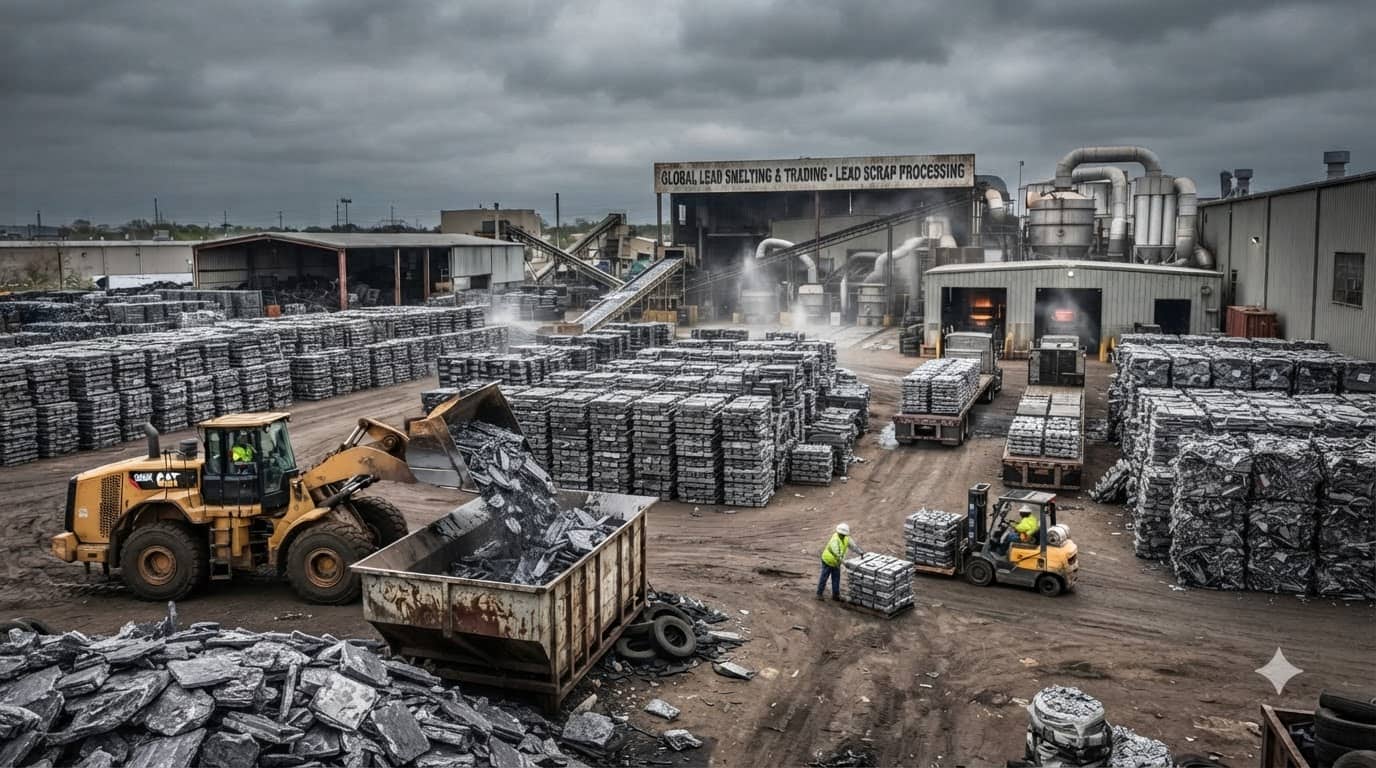
Lead scrap trading connects businesses that generate recoverable lead materials with recyclers, processors, and industrial buyers that need secondary lead. Common sources include lead sheet, pipes, cable sheathing, industrial components, and lead-acid batteries.
For sellers, understanding the material type, condition, contamination, and buyer specifications is essential to preparing an accurate listing. Lead scrap can have commercial value, but it also requires careful handling because lead and lead-containing dust can pose serious health and environmental risks.
An online marketplace can help businesses present available material and connect with potential buyers. However, lead scrap particularly battery scrap requires additional attention to safe handling, transport, and applicable regulatory requirements.
Why Lead Scrap Is Traded
Lead is a dense, relatively soft metal with properties that make it useful in several industrial applications. Recovered lead can be processed and reused, reducing the need to obtain all material from primary sources.
One important market is lead-acid batteries, which are used in vehicles, backup power systems, and certain industrial applications. Other sources include lead sheet, pipes in older installations, cable sheathing, counterweights, and selected industrial components.
The commercial potential of lead scrap depends on its recoverable lead content, condition, quantity, and suitability for the buyer's processing system.
Lead-containing materials should not all be treated as the same product. A lot of clean lead sheet differs significantly from a collection of used batteries containing lead, electrolyte, plastic, and other components.
Accurate identification helps buyers determine the appropriate processing route and evaluate the material against their requirements.
Common Lead Scrap Grades Explained
Lead scrap is traded in different forms, and the exact grading terminology can vary by market, buyer, and contract. Sellers should describe the material accurately and avoid assigning a grade without sufficient information.
Soft lead: This generally refers to relatively pure, malleable lead scrap. Depending on its source, it may include lead sheet, flashing, or other lead products. Buyers may assess its purity, cleanliness, and any attached materials before confirming a grade.
Lead sheet and lead pipe: These materials may come from industrial applications, construction, or building renovation. Their suitability for recycling depends on composition, coatings, attachments, contamination, and the applicable handling requirements.
Lead cable sheathing: Some cables contain lead sheathing. Buyers need to know whether the material has been separated from other cable components and whether additional materials or contaminants remain.
Lead-acid battery scrap: Used lead-acid batteries contain lead-bearing components and electrolyte. They form a distinct category from clean metallic lead and generally require specialised collection, storage, transport, and recycling arrangements.
Mixed lead-bearing scrap: This category may include assorted components or products containing lead. Because the composition can be uncertain, buyers may require inspection, testing, or further separation before confirming a price.
When listing lead scrap, include the source, physical form, approximate quantity, condition, and any available composition or testing information. If the material contains coatings, attachments, or other metals, disclose them clearly.
Safety and Handling Considerations: Batteries and Contamination
Lead scrap requires more care than many ordinary recyclable materials. Exposure to lead dust or particles can harm human health, and contamination can spread through hands, clothing, equipment, and work areas.
Businesses handling lead-bearing materials should use appropriate workplace controls, trained personnel, suitable protective equipment, and procedures designed to minimise exposure. Cutting, grinding, breaking, or otherwise disturbing lead-containing materials can create additional hazards.
Lead-acid batteries require separate precautions. They may contain corrosive electrolyte, and damaged batteries can leak. Batteries should not be casually dismantled, drained, crushed, or mixed with ordinary metal scrap. Collection, packaging, storage, and transport should follow applicable safety and environmental requirements.
Lead-bearing waste may also be subject to specific controls depending on the country, material classification, and intended destination. Requirements for battery recycling, hazardous waste, worker protection, and international shipments are not identical everywhere.
Before buying, selling, or shipping lead scrap, verify the rules that apply in the relevant jurisdictions. Do not assume that material accepted by one recycler can automatically be transported or exported under the same conditions elsewhere.
For commercial listings, accurate disclosure of battery status, contamination, packaging, and handling requirements helps buyers assess whether they can accept the material safely and lawfully.
What Affects Lead Scrap Pricing
Lead scrap prices depend on several factors, and the price of refined lead should not be treated as the automatic purchase price for every type of lead scrap.
Material type and recoverable lead content: Clean metallic lead and mixed lead-bearing material can have different commercial values. Battery scrap is evaluated differently because it contains multiple components and requires specialised processing.
Purity and contamination: Other metals, coatings, dirt, attached materials, and unknown substances can affect processing requirements and buyer acceptance.
Quantity and consistency: Larger, consistent lots may appeal to industrial buyers with suitable processing capacity. However, quantity alone does not guarantee a higher price.
Preparation and condition: Material that is properly identified and presented may be easier to evaluate. Any preparation must be carried out safely and in accordance with applicable requirements.
Market conditions: Broader lead-market conditions, regional demand, buyer capacity, and commercial terms can influence offers.
Transport and compliance costs: Lead is dense, and the costs of handling, packaging, storage, transport, and required documentation can influence the final transaction economics.
Before agreeing on a deal, compare the complete terms rather than looking at price alone. Confirm the accepted material specification, quantity, inspection process, logistics responsibilities, payment terms, and any requirements for documentation or testing.
You can review ScrapTrade's scrap metal pricing information to understand the broader factors that influence scrap valuation.
How to Sell Lead Scrap Online
Selling lead scrap online starts with identifying the material and confirming that it can be handled and traded through the intended route.
First, establish whether the material is soft lead, lead sheet, cable sheathing, battery scrap, or another lead-bearing product. Do not describe batteries as clean lead metal or combine different categories in one listing without explaining the composition.
Next, prepare a detailed description. Include the approximate quantity, location, physical condition, source, packaging, and any known contamination. Provide relevant photographs where safe to do so, and include available test results or documentation if they help establish the material specification.
For battery scrap, disclose the battery type and condition, including whether units are damaged or leaking. Confirm that the prospective buyer is equipped and authorised, where required, to handle the material.
Once the listing is prepared, use a digital marketplace to reach potential B2B buyers and review suitable offers. A marketplace can improve access to trading opportunities, but it does not replace supplier checks, buyer verification, inspection, or compliance checks.
Before accepting an offer, agree on the material grade, quantity and weighing method, inspection requirements, collection or delivery arrangements, payment terms, and responsibility for transport and documentation.
Businesses can visit the ScrapTrade marketplace to list available scrap materials and explore potential buyer connections.
FAQs
What types of lead scrap can be sold?
Depending on buyer requirements and applicable rules, lead scrap may include soft lead, lead sheet, lead pipe, cable sheathing, lead-bearing components, and lead-acid battery scrap. These categories should be identified and listed separately when their composition or handling requirements differ.
Is lead-acid battery scrap the same as soft lead?
No. Soft lead generally refers to relatively pure metallic lead, while used lead-acid batteries contain lead-bearing components, electrolyte, plastic, and other materials. Battery scrap requires specialised handling and processing.
What determines the price of lead scrap?
Material type, recoverable lead content, purity, contamination, quantity, condition, market conditions, transport costs, and buyer specifications can all affect the price.
Is lead scrap dangerous to handle?
It can be. Lead exposure can cause serious health effects, and lead dust or particles can contaminate work areas. Batteries may also contain corrosive electrolyte. Appropriate controls, training, protective equipment, and safe handling procedures are essential.
Conclusion
Lead scrap trading can create opportunities for businesses supplying recoverable lead to specialised recyclers and industrial buyers. However, the material's form, composition, contamination, and handling requirements matter just as much as its market reference price.
Sellers should distinguish clean metallic lead from mixed lead-bearing material and battery scrap, provide accurate listing details, and confirm that the buyer can accept and process the material appropriately. Safe handling and jurisdiction-specific compliance checks are essential throughout the transaction.
A digital marketplace can help businesses discover potential buyers and organise trading opportunities, while clear specifications and due diligence help support better-informed commercial decisions.
If your business has lead scrap available, explore the ScrapTrade marketplace to connect with potential trading partners.