

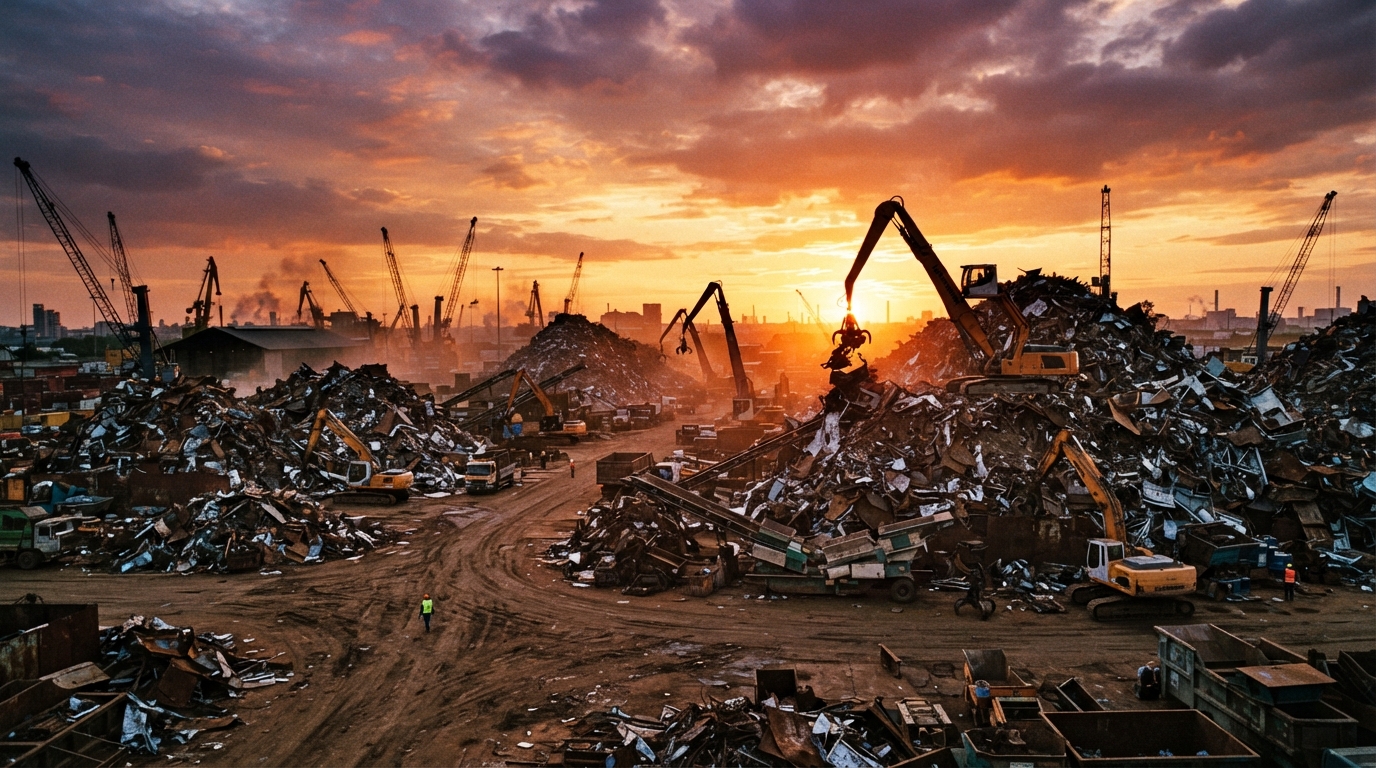
Finding reliable international scrap buyers and suppliers can be challenging, especially when businesses need consistent material quality, competitive prices, and dependable trading partners. Traditional scrap trading often depends on limited supplier networks, personal contacts, and local dealers, which can create price uncertainty, communication gaps, and difficulties when sourcing materials across borders.
An online scrap metal marketplace for global buyers provides a more efficient digital approach to international scrap trading. Buyers can discover suppliers from different markets, compare available materials and offers, negotiate prices, and manage transactions through a centralized platform. Sellers can also reach a wider network of potential buyers beyond their local market.
What Is an Online Scrap Metal Marketplace?
An online scrap metal marketplace is a digital platform that connects scrap buyers and sellers across different locations and countries. Instead of relying only on local dealers or traditional supplier networks, businesses can use an online marketplace to discover available scrap materials, review supplier information, discuss requirements, and negotiate deals.
These platforms are particularly useful for B2B scrap trading because buyers can access a wider supplier network, while sellers can reach customers beyond their local market. Materials such as copper, aluminium, steel, brass, stainless steel, and other recyclable commodities can be listed and traded through digital channels.
How a Global Scrap Marketplace Works
Buyers Search for Available Scrap Materials
Buyers can search for scrap based on material type, quantity, quality, location, and other requirements. This makes it easier to identify suppliers that can meet specific sourcing needs.
Sellers Create Scrap Listings
Sellers publish listings containing important details such as material type, available quantity, specifications, location, and expected price. Clear listings help buyers evaluate available materials more efficiently.
Buyers and Sellers Communicate
Once a suitable listing is found, buyers and sellers can communicate about material specifications, quantities, delivery requirements, documentation, and other transaction details.
Prices Are Negotiated
Scrap prices can vary according to quality, quantity, market conditions, and location. Online marketplaces provide a convenient environment for buyers and sellers to discuss pricing and negotiate mutually acceptable terms.
Orders and Logistics Are Arranged
After reaching an agreement, the parties can finalize the order and coordinate transportation, documentation, payment, and delivery requirements for the international scrap transaction.
Why Online Scrap Trading Is Growing
Global Supplier Access
Digital marketplaces allow buyers to discover suppliers from different countries instead of depending only on local networks.
Faster Communication
Online communication makes it easier to exchange material specifications, quantities, pricing information, and transaction requirements.
Greater Market Visibility
Sellers can showcase their scrap materials to a larger B2B audience, increasing opportunities to find suitable buyers.
Easier Price Comparison
Buyers can review multiple listings and offers, making it easier to evaluate pricing based on material quality and quantity.
B2B Transaction Opportunities
Online scrap marketplaces support larger commercial transactions by connecting businesses that buy and sell recyclable materials in bulk. Platforms such as ScrapTrade Global Marketplace provide a digital environment for connecting scrap buyers and sellers across international markets.
What Scrap Metals Can Global Buyers Purchase Online?
Global buyers can source a wide range of recyclable metals through online scrap marketplaces. The availability, quality, quantity, and pricing of each material can vary by supplier and market. Online platforms make it easier to compare listings and connect with suppliers for domestic or international B2B transactions.
Ferrous Scrap
Ferrous scrap contains iron and is widely used by steel mills, foundries, and manufacturing industries. Common types available through global scrap trading networks include:
- HMS 1 & 2: Heavy melting steel from industrial and demolition sources.
- Steel Scrap: Recyclable steel from construction, manufacturing, and industrial equipment.
- Cast Iron: Recovered from machinery, automotive components, and industrial products.
- Shredded Steel: Processed steel scrap prepared for efficient recycling and steel production.
Non-Ferrous Scrap
Non-ferrous metals are highly traded because of their value, durability, and recyclability. Common materials include:
- Copper Scrap: Wires, cables, pipes, motors, and electrical components.
- Aluminium Scrap: Automotive parts, machinery, sheets, and construction materials.
- Brass Scrap: Plumbing fittings, valves, industrial components, and hardware.
- Stainless Steel Scrap: Industrial equipment, appliances, and manufacturing components.
- Zinc Scrap: Industrial parts, galvanizing materials, and manufacturing waste.
- Lead Scrap: Batteries, industrial products, and other recoverable sources.
How to Buy Scrap Metal Online From Global Suppliers
Buying scrap metal online allows businesses to access international suppliers, compare offers, and source materials in bulk. However, buyers should carefully evaluate material quality, supplier credibility, documentation, and logistics before completing an international transaction.
Step 1: Find the Required Scrap Material
Start by clearly defining your purchasing requirements. Specify the material type, grade, quantity, supplier location, and required specifications. Clear requirements help suppliers provide accurate offers and reduce misunderstandings during the transaction.
Step 2: Compare Global Suppliers
Compare multiple suppliers based on their verification status, material quality, available quantity, pricing, and shipping options. Reviewing several suppliers can help buyers identify competitive offers while finding suppliers capable of meeting their delivery requirements.
Step 3: Request Quotes and Negotiate
Request quotations from suitable suppliers and compare their offers. Discuss the minimum order quantity (MOQ), price, payment terms, delivery schedule, and other commercial conditions. Negotiating based on volume and material specifications can help buyers achieve better purchasing terms.
Step 4: Verify Documentation
Before placing an order, verify the supplier and material documentation. Depending on the transaction, this may include business information, material specifications, export and import documents, and inspection certificates where applicable.
Proper documentation helps reduce compliance issues and provides greater confidence in the transaction.
Step 5: Arrange Logistics and Delivery
International scrap purchases require careful logistics planning. Buyers and sellers should agree on freight arrangements, container shipping, port handling, insurance, and applicable delivery terms.
For international transactions, clearly defining responsibilities for transportation, customs, documentation, and delivery helps prevent unexpected costs and delays. Platforms such as ScrapTrade Global Marketplace can help buyers connect with global scrap suppliers and manage sourcing opportunities more efficiently.
Benefits of Using a Global Scrap Metal Marketplace
A global scrap metal marketplace gives businesses a more efficient way to source recyclable materials, connect with suppliers, compare offers, and manage B2B scrap transactions. Instead of depending only on local networks, buyers can explore international sourcing opportunities through a centralized digital platform.
Access International Scrap Suppliers
Online marketplaces allow buyers to discover scrap suppliers from different countries and regions. This wider access can be useful when local suppliers cannot provide the required material, grade, quantity, or quality.
Buyers can search for materials such as copper, aluminium, steel, brass, stainless steel, and industrial scrap while expanding their sourcing options.
Find Competitive Scrap Prices
A global marketplace can make it easier to compare prices from different suppliers. Buyers can evaluate offers based on material quality, quantity, location, and other trading conditions.
Comparing multiple offers can help businesses identify competitive pricing and negotiate better purchasing terms.
Expand Your Supplier Network
Building relationships with multiple suppliers reduces dependence on a single source. A larger supplier network can provide greater flexibility when material availability, demand, or prices change.
Businesses can also develop long-term relationships with suitable suppliers for recurring scrap requirements.
Save Time on Scrap Procurement
Traditional scrap procurement can involve contacting multiple suppliers individually and requesting information through separate communication channels. A digital marketplace can centralize supplier discovery, listings, communication, and offer comparison.
This can reduce procurement time and make sourcing more organized.
Improve B2B Trading Opportunities
Global scrap marketplaces create opportunities for larger B2B transactions between commercial buyers and sellers. Businesses can discuss quantities, specifications, pricing, delivery requirements, and other trade conditions before finalizing a transaction.
How Sellers Benefit From an Online Scrap Marketplace
An online scrap marketplace gives sellers a digital channel to reach more buyers, showcase available materials, and explore international B2B trading opportunities. Instead of relying only on local contacts, sellers can promote scrap listings to a broader network and potentially improve their selling opportunities.
Reach Buyers Across Different Countries
Online marketplaces allow sellers to showcase their scrap materials to buyers in different regions and countries. This expanded reach can help sellers find suitable buyers when local demand is limited.
List Large Scrap Quantities
Sellers can create listings for bulk quantities of copper, aluminium, steel, brass, machinery scrap, automotive scrap, and other recyclable materials. Providing clear information about quantity, grade, quality, and location helps buyers evaluate listings more efficiently.
Receive Buyer Offers
Digital marketplaces make it easier for sellers to receive inquiries and offers from interested buyers. Sellers can compare proposals, discuss material requirements, and negotiate pricing and transaction terms before accepting an offer.
Build Long-Term B2B Relationships
Successful transactions can lead to ongoing relationships between sellers and commercial buyers. Reliable communication, consistent material quality, and dependable fulfillment can help sellers develop recurring B2B business.
Future of Global Online Scrap Metal Trading
Global online scrap metal trading is expected to become more digital, data-driven, and automated. New technologies can help buyers and sellers improve price visibility, supplier discovery, documentation, logistics, and international B2B transactions.
Real-Time Scrap Price Data
Real-time and frequently updated scrap price data can help buyers and sellers make better trading decisions. Access to current market information allows businesses to evaluate offers based on material type, quality, quantity, and changing market conditions.
AI-Powered Buyer-Seller Matching
Artificial intelligence can improve how buyers and sellers find suitable trading partners. AI systems can analyze material requirements, quantities, locations, pricing preferences, and trading history to identify potentially relevant matches more efficiently.
Digital Documentation
Digital documentation can simplify international scrap transactions by reducing paperwork and improving access to important trade records. Buyers and sellers can manage material specifications, invoices, inspection documents, and shipping information through digital systems.
Automated Logistics Management
Technology can help automate logistics activities such as shipment scheduling, transportation coordination, container management, and delivery tracking. Better logistics visibility can reduce delays and make international scrap shipments easier to manage.
FAQs
What is an online scrap metal marketplace?
An online scrap metal marketplace is a digital platform that connects scrap buyers and sellers. Buyers can search for materials, compare listings, communicate with suppliers, negotiate prices, and arrange transactions. Sellers can reach a wider B2B audience and promote scrap materials to buyers across local and international markets.
Can I buy scrap metal from international suppliers?
Yes. Global online scrap marketplaces can help businesses discover suppliers from different countries. Buyers can source materials such as copper, aluminium, steel, brass, and industrial scrap based on required specifications, quantity, quality, and location. International purchases should also consider shipping, customs, documentation, and applicable import regulations.
What types of scrap metal can I buy online?
Buyers can typically find ferrous and non-ferrous scrap, including HMS, steel, cast iron, copper, aluminium, brass, stainless steel, zinc, and lead. Industrial materials such as machinery scrap, automotive scrap, electrical scrap, and metal offcuts may also be available depending on supplier listings.
How can I verify a global scrap supplier?
Before trading, review the supplier's business information, verification status, material specifications, transaction history, and customer feedback where available. For international transactions, also verify relevant export documents, inspection certificates, and shipping requirements.
Conclusion
Global scrap trading is becoming increasingly digital, making it easier for businesses to connect with buyers and suppliers across international markets. Online scrap marketplaces provide access to a wider supplier network while allowing buyers to compare materials, quantities, prices, and supplier information more efficiently.
For sellers, digital platforms create opportunities to reach international B2B buyers without depending entirely on local networks. This can help expand market reach, generate new business relationships, and improve scrap trading opportunities.