

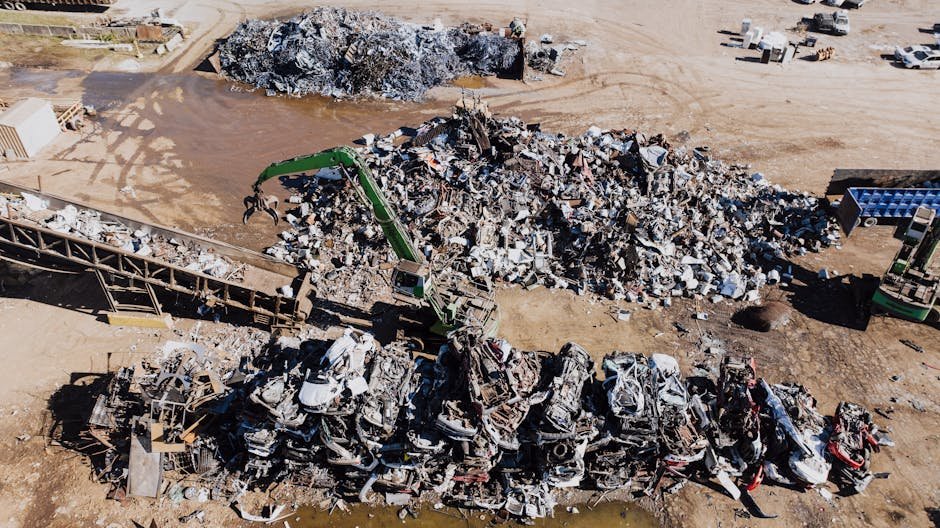
A recyclable materials import export platform is transforming how scrap, waste, and secondary raw materials move across international borders. Instead of relying on fragmented brokers and manual trade processes, businesses can now connect directly with verified global buyers and sellers in a structured digital marketplace.
This shift is making recycling more efficient, transparent, and profitable especially for industries dealing with metals, plastics, paper, and industrial by-products. Whether you are exporting scrap metal or sourcing recyclable plastics for manufacturing, these platforms streamline logistics, pricing, and compliance in one system.
In this guide, you’ll understand how recyclable materials import export platforms work, how they support global scrap trade, and why they are becoming essential infrastructure for the circular economy.
What is a Recyclable Materials Import Export Platform?
A recyclable materials import export platform is a digital marketplace that enables international trading of recyclable and secondary raw materials between countries.
It connects:
- Scrap suppliers (exporters)
- Global buyers (importers)
- Recycling companies
- Manufacturing industries
- Logistics providers
These platforms facilitate trade in materials such as:
- Ferrous and non-ferrous metals
- Plastic scrap and polymers
- Paper and cardboard waste
- E-waste and electronic components
- Industrial scrap and by-products
The main goal is to create a structured global system for efficient recycling material exchange.
How Recyclable Materials Import Export Platforms Work
These platforms function through a structured international trade workflow:
1. Material Listing by Suppliers
Exporters upload recyclable materials with detailed specifications:
- Material category
- Grade and purity
- Quantity and weight
- Origin country
- Packaging and condition
2. Global Buyer Discovery
Importers search listings based on:
- Material demand
- Price expectations
- Industry requirements
- Shipping feasibility
3. Price Negotiation & Agreement
Pricing is influenced by:
- Global commodity markets
- Material quality
- Freight and logistics costs
- Currency exchange rates
4. Logistics Coordination
The platform helps arrange:
- Container booking
- Freight forwarding
- Export documentation
- Customs clearance
5. International Shipment
Materials are shipped via sea, rail, or road to recycling or manufacturing facilities.
Key Features of a Recycling Import Export Platform
1. Global Buyer & Supplier Network
Connects verified participants across multiple countries.
2. Material Verification System
Ensures scrap quality, grading, and compliance standards.
3. Real-Time Pricing Transparency
Helps users compare international scrap prices instantly.
4. Logistics Integration
Supports freight booking, shipping coordination, and customs support.
5. Trade Security & Compliance
Reduces fraud risks and ensures regulatory compliance across borders.
Types of Recyclable Materials Traded Globally
| Material Type | Examples | Demand Level |
|---|---|---|
| Metals | Copper, aluminum, steel | Very High |
| Plastics | PET, HDPE, PVC | High |
| Paper | Cardboard, pulp, waste paper | Medium |
| E-waste | Circuit boards, cables | High |
| Industrial scrap | Manufacturing by-products | Medium–High |
Pricing Factors in Import Export Scrap Platforms
Pricing is determined by multiple global factors:
| Factor | Impact |
|---|---|
| Material purity | Higher purity = higher price |
| Global demand cycles | Industrial demand affects pricing |
| Shipping costs | Freight can significantly affect margins |
| Regulatory restrictions | Export/import rules influence trade |
| Currency fluctuations | Exchange rates impact profitability |
Why Recyclable Materials Import Export Platforms Are Growing
1. Expansion of Circular Economy
Industries are shifting from waste disposal to resource recovery.
2. Rising Demand for Secondary Raw Materials
Manufacturers are increasingly dependent on recycled inputs.
3. Cost Efficiency in Global Trade
Importing scrap is often cheaper than sourcing virgin materials.
4. Digital Transformation of Scrap Industry
Online platforms reduce reliance on manual brokers.
5. Environmental Regulations
Governments are enforcing recycling and sustainability targets.
Role of Digital Scrap Platforms in Global Trade
Modern platforms like ScrapTrade are central to this transformation, offering:
- Verified global scrap listings
- Direct buyer-seller communication
- Transparent pricing mechanisms
- Logistics coordination tools
- Cross-border trade facilitation
Challenges in Recyclable Materials Import Export Platforms
Despite growth, several challenges exist:
- Varying international regulations
- Quality inconsistency in scrap materials
- High logistics and freight costs
- Customs clearance delays
- Trust and verification issues in global trade
Opportunities in Global Recycling Trade Platforms
The sector is rapidly expanding due to:
- Increased industrial recycling demand
- Growth of ESG and sustainability policies
- Expansion of global manufacturing hubs
- Adoption of digital trade ecosystems
- Rising value of secondary raw materials
These platforms are becoming essential infrastructure for global resource circulation.
FAQs – Recyclable Materials Import Export Platform
1. What is a recyclable materials import export platform?
It is a digital marketplace that connects global buyers and sellers of recyclable materials like metals, plastics, and industrial scrap for international trade.
2. What materials can be traded on these platforms?
Common materials include scrap metal, plastic waste, paper, and electronic waste used for recycling and manufacturing.
3. How do these platforms help exporters?
They provide access to global buyers, better pricing visibility, logistics support, and simplified cross-border trade processes.
4. Are recyclable materials platforms safe to use?
Yes, most platforms include verification systems, compliance checks, and secure trade workflows to reduce fraud risks.
5. Why are these platforms important for recycling?
They streamline global scrap movement, improve recycling efficiency, and support circular economy goals.
Conclusion
A recyclable materials import export platform is reshaping global scrap and recycling industries by connecting international buyers and sellers in a unified digital ecosystem. It improves transparency, reduces inefficiencies, and enables scalable cross-border trade.
As global demand for recycled materials continues to rise, these platforms will play a critical role in building a sustainable circular economy.
To explore modern scrap trading systems and global recycling opportunities, visit ScrapTrade and participate in the evolving international materials exchange network.