

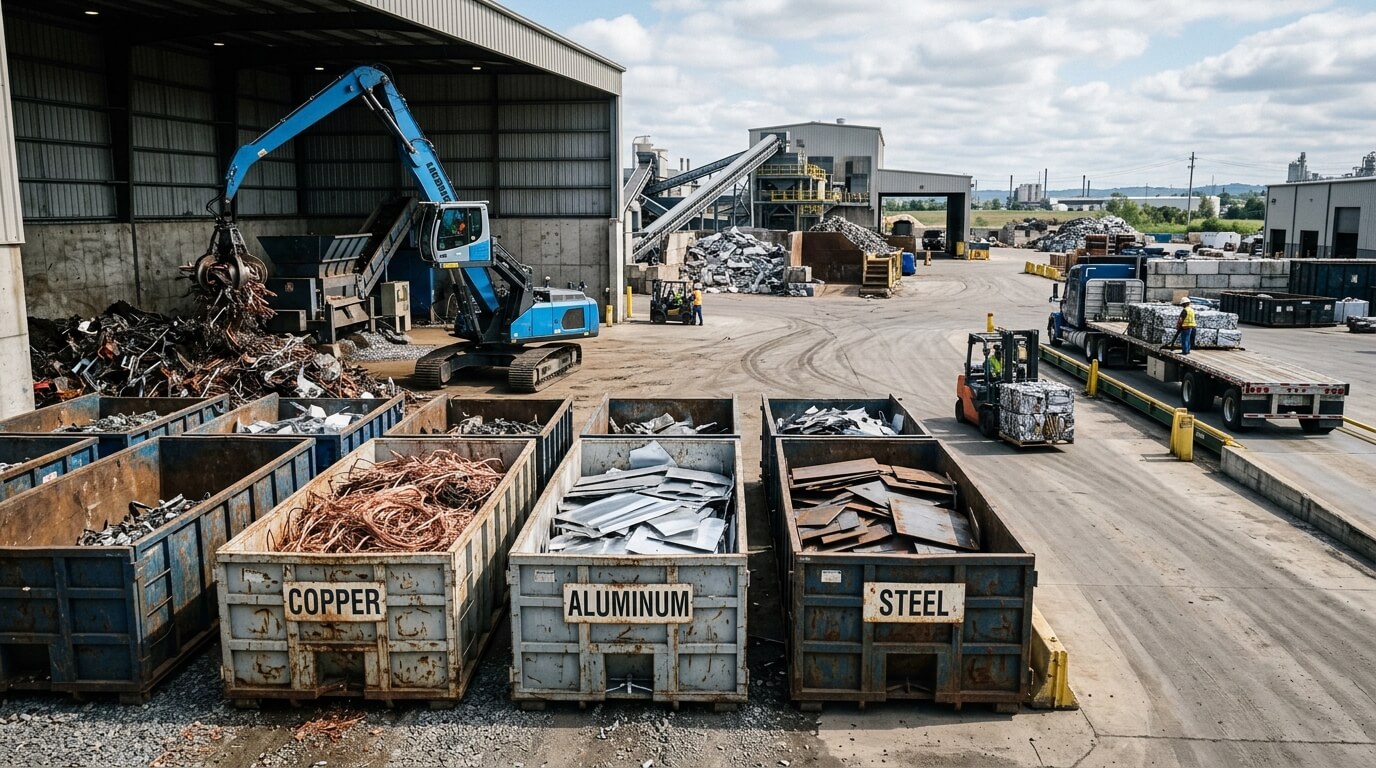
Kansas City is one of the most active industrial and logistics hubs in the Midwest, generating large volumes of metal, construction, automotive, and electronic scrap. Without structured systems, much of this material loses value due to poor handling, contamination, or inefficient resale channels. That is why scrap management industries Kansas City play a critical role in converting waste into profitable recycled resources.
From manufacturing plants to demolition sites, scrap is continuously generated across the region. Modern scrap management systems ensure proper collection, sorting, weighing, and resale through licensed recyclers and scrap yards.
What is Scrap Management in Kansas City?
Scrap management in Kansas City refers to the organized collection, processing, and recycling of industrial and commercial scrap materials across the metro area.
Core Functions:
- Scrap collection from industrial sites
- Sorting ferrous and non-ferrous metals
- E-waste and automotive recycling
- Scrap grading and valuation
- Transportation to recycling facilities
Key Scrap Management Industries in Kansas City
Kansas City has a strong industrial and logistics-driven economy, which makes scrap management services essential for material recovery, recycling efficiency, and cost optimization across multiple sectors.
Manufacturing Industry
Manufacturing plants generate metal scrap, machine offcuts, and production waste. Scrap management systems help recover steel, aluminum, and copper while reducing raw material costs.
Construction Industry
Large-scale construction and infrastructure projects produce steel beams, wiring, and concrete debris. Efficient scrap handling reduces landfill usage and improves project profitability.
Automotive Industry
Vehicle assembly and repair operations generate end-of-life parts, engines, and metal components. Recycling these materials supports sustainable manufacturing cycles.
Logistics & Warehousing
Packaging waste such as pallets, cardboard, and plastics is a major scrap stream. Proper recycling improves warehouse efficiency and reduces disposal expenses.
Electronics Industry
E-waste from IT equipment, circuit boards, and cables is processed to recover valuable metals while ensuring safe disposal of hazardous components.
Scrap Pricing in Kansas City (Indicative Rates)
Scrap pricing depends on global commodity markets and local demand.
Estimated Scrap Prices (USD/kg)
| Scrap Type | Price Range | Notes |
|---|---|---|
| Copper | $7 – $10 | High-value electrical metal |
| Aluminum | $1.5 – $2.5 | Lightweight recyclable |
| Steel | $0.2 – $0.5 | Bulk industrial scrap |
| E-Waste | $2 – $8 | Precious metal recovery |
Prices fluctuate daily based on market conditions.
How Scrap Management Works in Kansas City
Scrap management in Kansas City follows a structured process that ensures efficient collection, accurate valuation, and maximum material recovery across industrial and commercial sectors.
Step 1: Scrap Generation
Scrap is generated from industries, warehouses, construction projects, and manufacturing facilities. This includes metals, plastics, packaging waste, and electronic components.
Step 2: Collection
Licensed scrap yards and pickup services collect materials directly from job sites, industrial plants, and commercial locations using scheduled or on-demand logistics.
Step 3: Sorting & Segregation
Collected scrap is sorted into key categories such as ferrous metals, non-ferrous metals, plastics, and e-waste. Proper segregation improves recycling efficiency and market value.
Step 4: Weighing & Grading
Industrial weighing systems are used to measure scrap accurately. Materials are then graded based on quality, purity, and contamination levels to determine fair pricing.
Step 5: Recycling or Sale
Finally, scrap is either processed into reusable raw materials or sold to recyclers and metal processors, completing the recovery cycle and supporting sustainable resource use in Kansas City.
Benefits of Scrap Management Industries in Kansas City
Scrap management industries in Kansas City play a vital role in improving profitability, sustainability, and operational efficiency across manufacturing, logistics, and construction sectors.
Revenue Generation
Industrial waste is converted into a consistent secondary income stream. Metals, plastics, and e-waste can be resold or recycled, creating ongoing revenue opportunities for businesses.
Cost Reduction
Effective scrap handling significantly lowers landfill charges, transportation costs, and on-site waste disposal expenses, improving overall operational margins.
Environmental Compliance
Scrap management supports EPA-aligned recycling practices, helping businesses meet environmental regulations and reduce legal and compliance risks.
Industrial Efficiency
Structured waste collection and segregation improve workflow efficiency in manufacturing plants, warehouses, and construction sites by reducing clutter and downtime.
Circular Economy Support
Recovered materials such as steel, aluminum, and copper are reintroduced into production cycles, reducing dependency on virgin resources and strengthening circular economy systems in Kansas City.
FAQs
1. What is scrap management in Kansas City?
Scrap management in Kansas City involves collecting, sorting, and recycling industrial and commercial scrap materials such as metals, plastics, and e-waste across the metro area. It helps businesses recover value from waste materials efficiently.
2. Which industries produce the most scrap in Kansas City?
Manufacturing, construction, automotive, and logistics industries generate the most scrap due to high production and infrastructure activity in the region.
3. How is scrap priced in Kansas City?
Scrap pricing depends on global metal markets, material purity, demand, and local recycling rates. Copper and aluminum generally have the highest value.
4. Are there scrap pickup services in Kansas City?
Yes, many scrap management companies offer pickup services for industrial, commercial, and large residential scrap loads across Kansas City.
5. Why is scrap management important in Kansas City?
It reduces waste disposal costs, supports recycling industries, improves environmental compliance, and creates additional revenue from scrap materials.
Conclusion
Scrap management industries in Kansas City play a vital role in supporting the region’s manufacturing, construction, and logistics economy. With structured recycling systems and licensed scrap yards, businesses can efficiently convert waste into valuable resources.
As demand grows, digital systems and organized scrap workflows will continue improving efficiency, transparency, and profitability across the industry.