

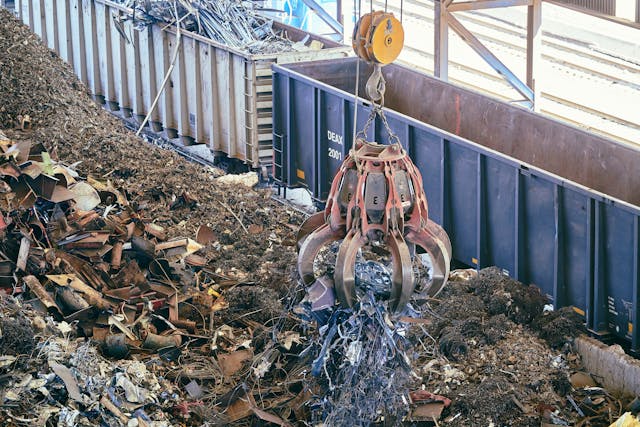
Oklahoma has become a growing hub for recycling, industrial scrap handling, and material recovery across manufacturing, construction, and energy sectors. With increasing demand for efficient waste processing, scrap management of Oklahoma plays a key role in converting industrial scrap into reusable raw materials and commercial value.
Businesses and individuals often struggle with finding reliable scrap yards, understanding pricing, and ensuring compliant disposal of metals and e-waste. Oklahoma’s scrap ecosystem addresses these challenges through structured recycling facilities, licensed scrap yards, and industrial processing centers.
What is Scrap Management in Oklahoma?
Scrap management in Oklahoma refers to the collection, sorting, processing, and recycling of scrap materials across residential, commercial, and industrial sectors within the state.
Core Functions:
- Scrap metal collection and transportation
- Industrial waste segregation and grading
- Recycling of ferrous and non-ferrous metals
- E-waste processing and recovery
- Compliance with environmental regulations
It connects scrap generators with licensed recycling facilities across Oklahoma City, Tulsa, and surrounding industrial zones.
Major Scrap Management Centers in Oklahoma
Oklahoma has developed a strong scrap recycling network that supports manufacturing, construction, automotive, and residential waste streams. The state’s infrastructure is centered around urban hubs where collection, sorting, and processing facilities operate at scale.
Types of Scrap Managed in Oklahoma
Scrap management systems in Oklahoma handle a diverse mix of industrial, commercial, and residential waste streams. These materials are collected, sorted, and processed through regional recycling networks to maximize recovery value and reduce landfill dependency.
1. Ferrous Scrap
Ferrous scrap contains iron and steel-based materials, widely generated across construction and automotive sectors. Common examples include:
- Steel beams and structural components
- Iron machinery and equipment parts
- Automotive bodies and engine components
2. Non-Ferrous Scrap
Non-ferrous scrap includes high-value metals that do not contain iron and are widely traded in recycling markets. Typical materials include:
- Copper wiring and electrical cables
- Aluminum frames and industrial components
- Brass fittings used in plumbing and machinery
3. E-Waste Scrap
E-waste refers to discarded electronic devices and components that contain recoverable metals and sensitive materials. Examples include:
- Circuit boards and processors
- Computers, laptops, and servers
- Batteries and electronic assemblies
4. Industrial Scrap
Industrial scrap is generated from manufacturing plants, construction projects, and energy sectors such as oil and gas. It includes:
- Manufacturing production waste and offcuts
- Construction and demolition debris
- Oilfield scrap such as pipes, tools, and metal equipment
Together, these scrap streams form a significant part of Oklahoma’s recycling ecosystem, supporting material recovery, cost reduction, and sustainable industrial practices.
Scrap Pricing in Oklahoma (Indicative Market Rates)
Pricing varies based on global commodity markets and local demand.
Estimated Scrap Prices (USD/kg)
| Scrap Type | Price Range | Notes |
|---|---|---|
| Copper | $7 – $10 | High-value electrical metal |
| Aluminum | $1.5 – $2.5 | Lightweight recyclable |
| Steel | $0.2 – $0.5 | Bulk industrial scrap |
| E-waste | $2 – $8 | Precious metal content |
Prices fluctuate daily based on international metal indices.
How Scrap Management Works in Oklahoma
Scrap management in Oklahoma follows a structured, end-to-end process that connects waste generators with recycling facilities and end-use manufacturers. This system ensures efficient material recovery, accurate valuation, and reduced environmental impact.
Step 1: Scrap Generation
Scrap is produced across multiple sources, including industrial operations, residential activities, construction projects, and automotive services. These materials include metals, plastics, electronics, and mixed waste streams.
Step 2: Collection
Scrap yards and collection services gather materials directly from job sites, factories, and households. In many cases, roll-off containers and scheduled pickups are used to streamline bulk collection.
Step 3: Sorting & Grading
Collected scrap is categorized into ferrous metals, non-ferrous metals, e-waste, and other industrial waste types. Proper grading improves recycling efficiency and ensures higher resale value.
Step 4: Weighing & Valuation
Scrap is weighed using certified industrial weighing systems. The value is determined based on material type, purity, contamination level, and current market pricing trends.
Step 5: Recycling or Resale
Finally, materials are either processed into reusable raw inputs or sold to manufacturers and recycling plants. This completes the circular flow, supporting both environmental sustainability and resource efficiency in Oklahoma’s scrap industry.
Benefits of Scrap Management in Oklahoma
Scrap management in Oklahoma plays a key role in improving industrial efficiency, reducing waste costs, and strengthening the recycling economy across manufacturing, construction, and residential sectors.
Revenue Generation
Scrap materials are converted into a reliable secondary income stream. Metals, electronics, and industrial waste can be sold to recyclers, creating consistent revenue opportunities for businesses and scrap yards.
Cost Reduction
Efficient scrap handling reduces landfill disposal charges, transportation costs, and on-site waste management expenses. This helps companies significantly lower overall operational overhead.
Environmental Compliance
Structured recycling practices support compliance with environmental standards, including EPA-aligned waste handling and disposal regulations. This reduces legal risks and improves sustainability performance.
Industrial Efficiency
Proper scrap segregation and collection improve workflow efficiency in manufacturing plants and construction sites. It minimizes clutter, reduces downtime, and enhances material handling processes.
Resource Recovery
Scrap management enables the recovery of valuable materials such as steel, aluminum, and copper, allowing them to be reused in production cycles.
FAQs
1. What is scrap management in Oklahoma?
Scrap management in Oklahoma refers to the organized collection, recycling, and resale of scrap materials such as metals, electronics, and industrial waste across the state’s recycling facilities and scrap yards.
2. Which cities are major scrap hubs in Oklahoma?
Oklahoma City and Tulsa are the primary scrap management hubs, supported by regional recycling centers in Durant, Enid, and surrounding industrial areas.
3. What types of scrap are most common in Oklahoma?
Common scrap includes steel, copper, aluminum, automotive parts, construction waste, and electronic scrap from industrial and residential sources.
4. How is scrap priced in Oklahoma?
Scrap pricing depends on global metal markets, material purity, and demand. Copper and aluminum typically offer the highest resale value.
5. Are there digital scrap services in Oklahoma?
Yes, many scrap operators now use digital systems for pickup scheduling, pricing transparency, and automated payments.
Conclusion
Scrap management in Oklahoma is a vital part of the state’s industrial ecosystem, supporting manufacturing, construction, automotive, and recycling sectors. With a strong network of scrap yards and growing digital adoption, the state is improving efficiency and maximizing material recovery.
Businesses and individuals can significantly benefit by using structured scrap systems that improve pricing transparency and reduce waste costs.