

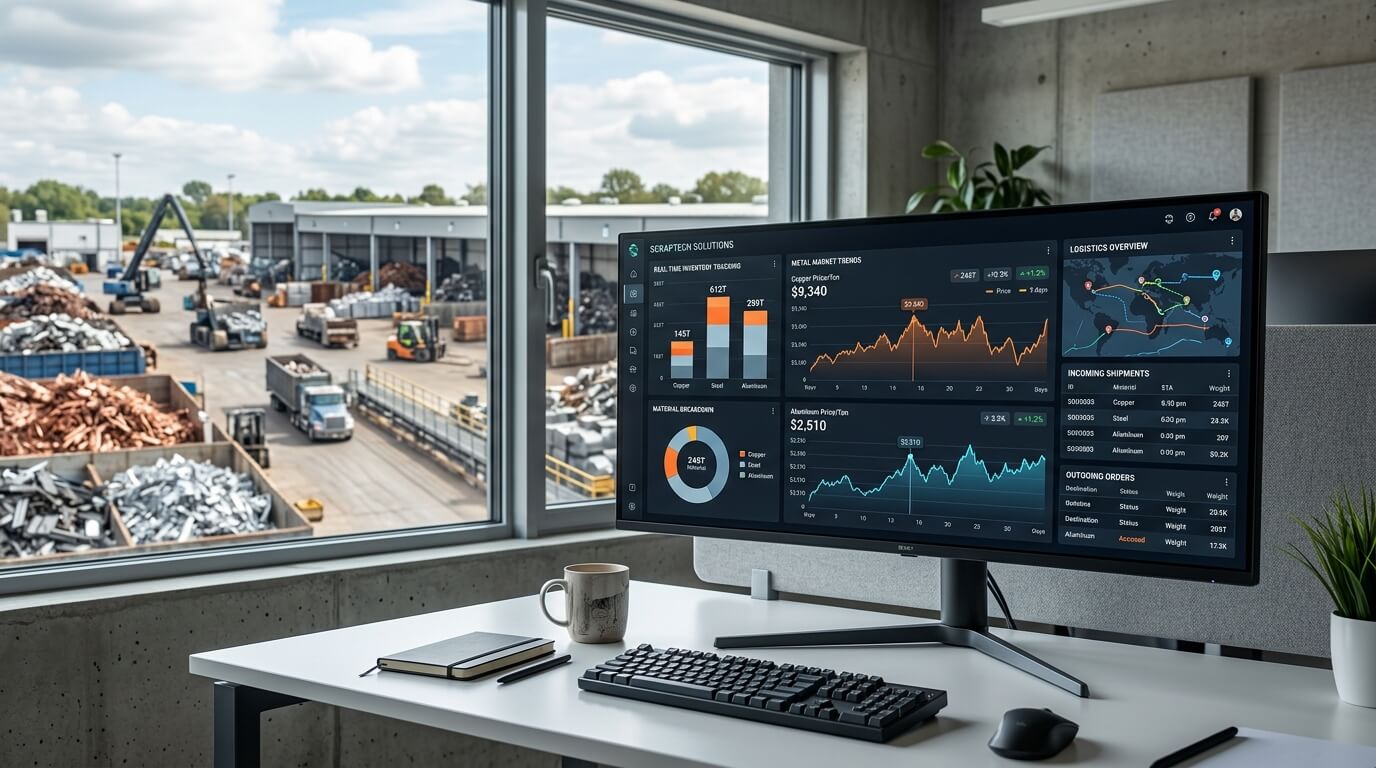
Managing scrap manually can lead to inventory errors, inaccurate pricing, misplaced materials, and lost revenue. As industries generate increasing amounts of metal, plastic, paper, textile, and electronic waste, businesses need an efficient way to organize, monitor, and monetize these materials. This is where scrap management software becomes an essential business tool.
A scrap management software solution digitizes the entire scrap lifecycle from collection and inventory tracking to pricing, reporting, and sales. Instead of relying on spreadsheets or paperwork, businesses can monitor scrap generation in real time, automate workflows, and make data-driven decisions that improve profitability. Whether you operate a manufacturing facility, recycling center, warehouse, construction company, or scrap yard, implementing the right software helps reduce waste, improve operational efficiency, and maximize value recovery.
What Is Scrap Management Software?
Scrap management software is a digital platform that helps businesses manage every stage of the scrap lifecycle. It records where scrap is generated, tracks inventory, calculates material value, manages buyers and suppliers, and produces reports that support operational and financial decisions.
Unlike manual record-keeping, modern software centralizes all scrap-related information in a single system. This gives managers complete visibility into inventory, sales, and recycling operations while reducing errors and improving traceability.
Why Businesses Need Scrap Management Software
Industrial operations generate valuable scrap every day. Without an organized management system, companies often lose money through inaccurate inventory records, poor pricing decisions, and inefficient material handling.
Scrap management software provides real-time visibility into scrap generation and movement. Managers can identify where waste originates, measure recovery rates, compare buyer prices, and monitor overall performance. This information helps businesses reduce unnecessary waste while increasing the revenue generated from recyclable materials.
How Scrap Management Software Works
The software follows a structured workflow that ensures every scrap transaction is recorded accurately.
Production departments generate scrap during manufacturing, processing, or maintenance activities. Employees record the material using desktop systems, mobile devices, or integrated weighing equipment. The software categorizes the scrap based on its material type, quality, and quantity before automatically updating inventory.
When enough material has accumulated, the system calculates its estimated market value using current pricing information. Managers can compare offers from approved buyers, generate sales orders, create invoices, and monitor payment status from the same platform.
Key Features of Scrap Management Software
Modern scrap management software includes numerous tools that improve operational efficiency. The most important capabilities include:
- Real-time inventory tracking
- Automated pricing and valuation
- Digital weighing and barcode integration
- Buyer and supplier management
- Reporting and business analytics
These features eliminate manual paperwork while providing accurate, up-to-date information across the organization.
Scrap Inventory Management
Inventory management is one of the most valuable functions of scrap management software. Every batch of scrap is recorded according to material type, weight, storage location, and generation source.
This allows warehouse managers to know exactly how much recyclable material is available at any given time. Real-time inventory visibility reduces losses, prevents duplicate records, and supports better production planning.
Businesses handling multiple facilities can also monitor inventory across different locations from a centralized dashboard.
Automated Pricing and Valuation
Scrap prices change frequently due to fluctuations in global commodity markets. Manual price calculations can easily become outdated, leading to lost revenue or inaccurate quotations.
Modern scrap management software automates pricing by applying predefined rules based on material type, purity, weight, and current market rates. This ensures consistent valuations and helps businesses negotiate confidently with buyers.
Warehouse and Inventory Tracking
Efficient warehouse management is essential for preventing material contamination and improving recovery rates.
Many software platforms integrate with barcode, QR code, or RFID technologies to identify and track individual scrap batches. This improves warehouse organization while reducing the time required to locate or dispatch materials.
Industries That Use Scrap Management Software
Scrap management software is used across many industries because nearly every production process generates recyclable waste.
Manufacturing companies use it to manage metal offcuts, rejected components, and machine waste. Recycling facilities rely on it to organize incoming materials and monitor inventory. Construction firms track demolition waste and structural steel, while automotive companies use it to manage vehicle dismantling and component recycling.
The textile industry benefits from tracking fabric scraps and production waste, while electronics manufacturers use specialized modules for managing e-waste and component recovery.
Benefits of Scrap Management Software
Implementing scrap management software delivers measurable operational and financial improvements.
The software reduces manual data entry, improves inventory accuracy, increases transparency, and enables better pricing decisions. Businesses can recover more value from recyclable materials while lowering administrative costs.
Another major advantage is improved sustainability. Accurate reporting helps organizations demonstrate recycling performance and meet environmental compliance requirements.
Choosing the Right Scrap Management Software
Not every software solution offers the same functionality. Businesses should evaluate their operational requirements before selecting a platform.
Important considerations include cloud accessibility, scalability, integration with ERP systems, barcode support, digital weighing compatibility, reporting capabilities, and mobile access.
A solution should also provide secure user management, automated backups, and customizable dashboards that match the organization's workflow.
FAQs
What is scrap management software?
Scrap management software is a digital solution that helps businesses manage scrap inventory, pricing, collection, reporting, and sales. It automates manual processes and provides real-time visibility into recycling operations.
Which industries use scrap management software?
Manufacturing, metal recycling, construction, automotive, warehousing, textile manufacturing, and electronics recycling industries commonly use scrap management software to improve inventory control and maximize scrap value.
Can scrap management software integrate with ERP systems?
Yes. Most enterprise-grade solutions integrate with ERP, accounting software, inventory management systems, barcode scanners, and digital weighing machines to create a unified business workflow.
Does scrap management software improve profitability?
Yes. By improving inventory accuracy, reducing waste, automating pricing, and streamlining sales, businesses can recover more value from recyclable materials while lowering operational costs.
Is cloud-based scrap management software better?
Cloud-based solutions provide remote access, automatic updates, stronger collaboration, and easier scalability. They also reduce infrastructure costs compared to traditional on-premise software.
Conclusion
A modern scrap management software solution is more than an inventory tool it is a strategic platform that helps businesses improve efficiency, increase recycling revenue, and support sustainability goals. By digitizing scrap collection, inventory management, pricing, and reporting, organizations gain better visibility into their operations while reducing manual effort and costly errors.
As industries continue to embrace digital transformation, investing in reliable scrap management software can provide a significant competitive advantage. Whether you manage a recycling facility, manufacturing plant, or industrial warehouse, the right solution helps maximize resource recovery and create long-term value.