

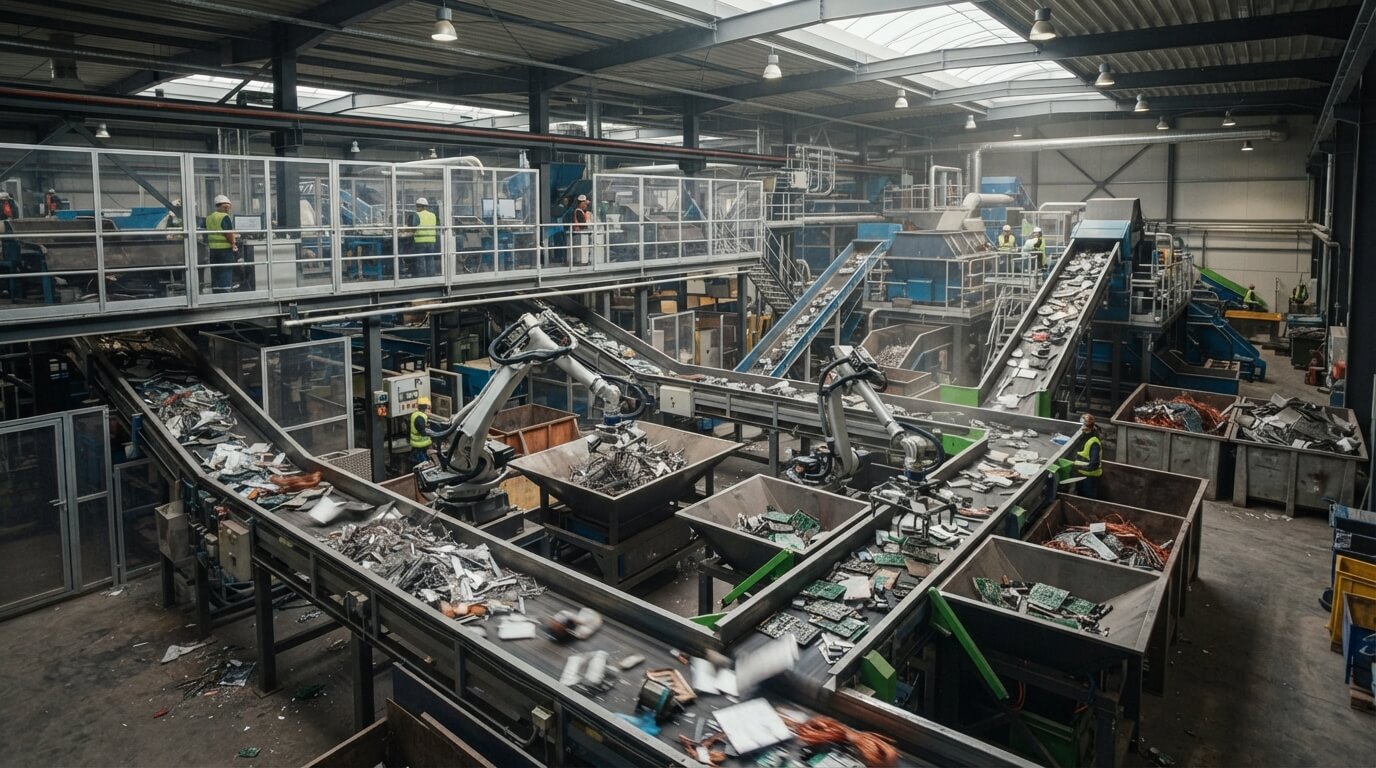
Industries generate large volumes of waste materials daily, but without a structured approach, much of this scrap loses its potential value. A scrap management system solves this problem by organizing how scrap is collected, segregated, stored, tracked, and sold or recycled. Instead of treating waste as a cost burden, businesses can turn it into a controlled revenue stream.
Many companies still rely on manual scrap handling, which leads to pricing errors, contamination, and revenue leakage. A modern scrap management system introduces automation, transparency, and real-time tracking to improve efficiency and recovery rates.
What is a Scrap Management System?
A scrap management system is a structured framework often supported by software that controls the entire lifecycle of scrap materials from generation to final recycling or resale.
Core Objectives:
- Track scrap generation at source
- Ensure proper segregation and grading
- Optimize storage and logistics
- Enable transparent pricing and valuation
- Improve recycling and resale efficiency
It is widely used across manufacturing, construction, automotive, and e-waste industries.
Key Components of a Scrap Management System
A modern scrap management system is built on integrated modules that streamline collection, classification, valuation, and sale of recyclable materials. Each component ensures accuracy, transparency, and maximum recovery value across industrial operations.
1. Scrap Collection Module
This module captures scrap directly at the point of generation, such as factories, warehouses, construction sites, and production units. Early capture reduces material loss and ensures efficient downstream processing.
2. Segregation & Classification System
Scrap is systematically separated into key categories to improve recycling efficiency and pricing accuracy:
- Ferrous metals (steel, iron)
- Non-ferrous metals (copper, aluminum, brass)
- Plastic scrap
- E-waste materials
Proper classification prevents contamination and increases resale value.
3. Weighing & Measurement System
Industrial-grade digital or mechanical scales are used to record precise weights of scrap materials. Accurate measurement is essential for fair valuation and transparent transactions.
4. Inventory Tracking System
This system maintains real-time records of scrap type, quantity, and storage location. It improves visibility, reduces mismanagement, and supports data-driven decision-making.
5. Pricing & Valuation Engine
Scrap value is calculated dynamically based on:
- Current commodity market rates
- Material purity and grade
- Demand-supply fluctuations
This ensures competitive and accurate pricing aligned with market conditions.
6. Sales & Disposal Module
This module connects scrap generators with certified recyclers, traders, and buyers. It streamlines transactions and ensures efficient disposal or recycling of materials within the supply chain.
Scrap Management System Workflow
A structured scrap management system workflow ensures efficient handling of waste materials from generation to final recycling or resale. Each stage is designed to improve recovery rates, reduce losses, and maximize material value.
Step 1: Scrap Generation
Scrap is generated during manufacturing processes, construction activities, or general industrial operations. This includes leftover materials, rejects, and end-of-life components.
Step 2: On-Site Collection
Scrap is collected at the source using designated bins, containers, or collection points. This prevents mixing with general waste and improves material recovery efficiency.
Step 3: Segregation
Collected materials are sorted into categories such as ferrous metals, non-ferrous metals, plastics, and e-waste. Proper segregation increases recyclability and enhances market value.
Step 4: Storage
After sorting, scrap is stored in controlled yard or warehouse environments. Organized storage helps prevent contamination, corrosion, and material loss.
Step 5: Weighing & Grading
Scrap is accurately weighed and assessed based on type, purity, and quality. This step ensures transparent pricing and fair valuation aligned with market standards.
Step 6: Sale or Recycling
Finally, scrap is either sold to authorized buyers or sent to recycling facilities for processing. This completes the lifecycle, converting waste into reusable raw materials or revenue streams.
Types of Scrap Management Systems
1. Manual Scrap Management System
- Paper-based tracking
- Low cost but error-prone
- Suitable for small businesses
2. Semi-Digital Scrap System
- Spreadsheet + basic software tools
- Moderate accuracy and control
3. Fully Automated Scrap Management System
- Real-time tracking software
- AI-based pricing models
- Integrated logistics and payments
- Used in large industries
Scrap Management System Pricing Logic
Scrap value is calculated dynamically based on global markets.
Indicative Scrap Pricing Table (USD/kg)
| Material Type | Price Range | Value Driver |
|---|---|---|
| Copper | $7 – $10 | High conductivity demand |
| Aluminum | $1.5 – $2.5 | Lightweight industrial use |
| Steel | $0.2 – $0.5 | Bulk construction material |
| E-Waste | $2 – $8 | Precious metal content |
Benefits of a Scrap Management System
A well-implemented scrap management system improves profitability, efficiency, and compliance by bringing structure and visibility to waste handling operations across industries.
Revenue Optimization
Proper classification and grading of scrap materials help maximize resale value. High-quality segregation ensures businesses get better pricing for metals, plastics, and e-waste in recycling markets.
Operational Efficiency
Automating scrap tracking and handling reduces manual workload, minimizes errors, and streamlines workflows across production, warehouse, and logistics operations.
Transparency
Accurate weighing systems and digital records ensure fair pricing and traceability. This builds trust between scrap generators, recyclers, and buyers while reducing disputes.
Environmental Compliance
A structured system supports adherence to environmental regulations and recycling standards. It helps businesses reduce landfill dependency and maintain sustainable waste practices.
Data-Driven Decision Making
Scrap management systems provide insights into waste generation patterns, material recovery rates, and cost trends. This enables businesses to optimize processes and improve long-term resource planning.
Industrial Applications of Scrap Management Systems
Scrap management systems are used across industries to improve waste tracking, recycling efficiency, and material recovery.
Manufacturing Industry
Manages metal offcuts, rejects, and production waste to reduce losses and recover valuable materials.
Construction Industry
Handles steel, concrete, and wiring scrap, helping reduce disposal costs and improve recycling rates.
Automotive Industry
Supports end-of-life vehicle recycling and recovery of metals from engines, body parts, and components.
Electronics Industry
Processes e-waste like circuit boards and cables to recover precious metals and ensure safe disposal.
Challenges in Scrap Management Systems
- Initial setup cost for automation
- Integration with existing workflows
- Price volatility in scrap markets
- Training workforce for digital tools
- Data accuracy in manual hybrid systems
Future of Scrap Management Systems
The future is highly digital and automated:
- AI-based scrap price forecasting
- IoT-enabled smart bins
- Blockchain-based scrap tracking
- Fully automated recycling plants
- Real-time global scrap marketplaces
FAQs
What is a scrap management system?
A scrap management system is a structured process or software framework used to track, collect, segregate, and sell scrap materials efficiently. It helps industries convert waste into valuable resources through organized workflows.
Why is a scrap management system important?
- It improves operational efficiency, reduces waste losses, ensures accurate pricing, and supports environmental compliance. It also helps businesses generate additional revenue from scrap materials.
Who uses scrap management systems?
Manufacturing plants, construction companies, automotive industries, and electronics recyclers widely use scrap management systems to handle large volumes of waste materials.
Is scrap management software necessary?
While not mandatory, scrap management software significantly improves accuracy, transparency, and profitability, especially for medium and large-scale industries.
Can scrap management systems increase profit?
Yes, by reducing inefficiencies, improving scrap segregation, and enabling better pricing decisions, these systems help businesses maximize scrap revenue.
Conclusion
A scrap management system is essential for any industry that generates significant waste materials. It transforms scrap handling from a manual, error-prone process into a structured, data-driven system that improves efficiency, transparency, and profitability.
Businesses that adopt modern scrap management systems gain better control over materials, reduce losses, and unlock higher recycling value.