

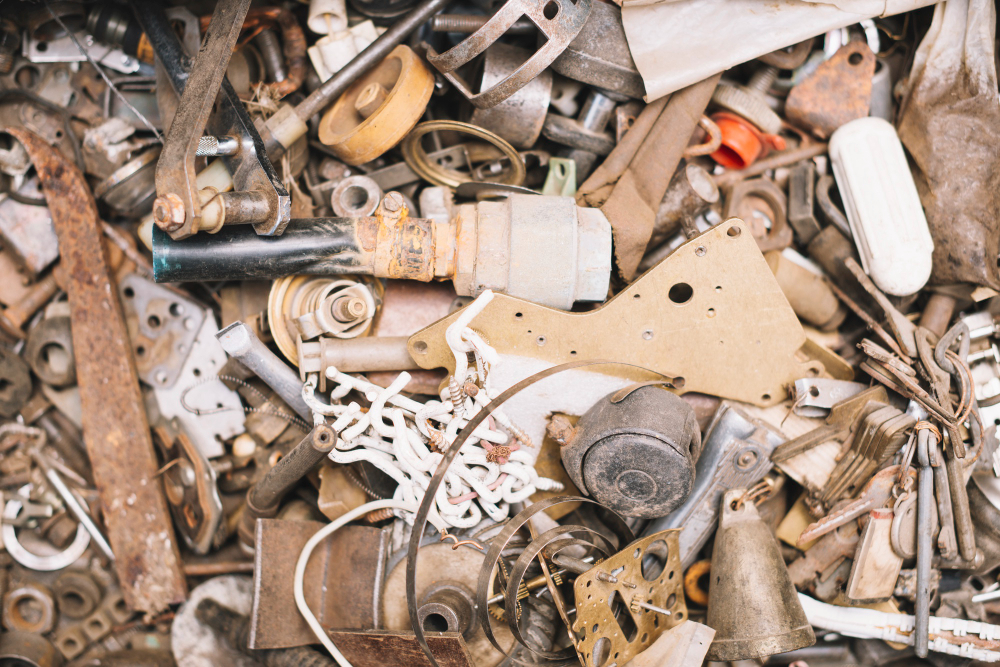
Finding reliable scrap metal buyers in Sydney NSW is essential for maximising returns on copper, aluminium, steel, brass, and alloy scrap materials. The Sydney scrap market is highly fragmented, and prices can vary significantly depending on location, buyer type, and whether the seller is dealing with small household quantities or large commercial or industrial loads. This makes it important to understand how different buyers operate before selling any metal.
In areas such as Campbelltown, Parramatta, and Western Sydney, there is a high concentration of scrap yards and recycling operators, but not all offer the same rates for identical materials. Many sellers lose potential income simply by accepting the first offer without comparing multiple scrap metal buyers in NSW. Understanding market variation, material grading, and buyer competition is key to improving returns in Sydney’s competitive scrap industry.
Scrap Metal Prices in Sydney & NSW (2026 Overview)
Scrap metal prices in Sydney and across NSW vary based on metal type, grade, cleanliness, and local buyer competition. High-value materials such as copper and aluminium extrusions consistently achieve stronger returns, while mixed or contaminated scrap is priced lower due to additional processing requirements.
Average Scrap Metal Rates Per Kg
| Metal Type | Price (AUD/kg) |
|---|---|
| Copper (clean / bright) | $11 – $14/kg |
| Copper (mixed wire) | $6 – $10/kg |
| Aluminium (extrusions) | $1.80 – $3.00/kg |
| Aluminium (cans / mixed) | $0.80 – $2.00/kg |
| Brass | $6 – $9/kg |
| Stainless Steel | $1 – $2.50/kg |
| Steel (ferrous scrap) | $0.10 – $0.50/kg |
Scrap Metal Buyers in Sydney NSW — Main Types
Scrap metal buyers in Sydney NSW operate across different service models, and each type suits different volumes, materials, and seller requirements. Choosing the right buyer category is essential for improving returns on copper, aluminium, steel, brass, and alloy scrap.
Local Scrap Yards
Local scrap yards are widely available across Sydney, particularly in industrial suburbs such as Parramatta, Auburn, and Western Sydney.
They typically accept walk-in or drop-off scrap from households, tradies, and small businesses. These yards are convenient for small to medium loads, though pricing can vary depending on internal grading policies and local demand.
Industrial Scrap Buyers
Industrial buyers work directly with construction firms, demolition contractors, and manufacturing operations.
They generally offer stronger pricing for bulk loads because they operate at scale and often supply material into export or steel mill supply chains. Clean, sorted copper, aluminium, and HMS steel are particularly preferred due to lower processing costs.
Mobile Scrap Pick-Up Services
Mobile scrap services provide on-site collection across Sydney suburbs, making them ideal for heavy or bulky materials.
They are especially popular in areas like Campbelltown and Western Sydney, where construction and industrial activity generates large volumes of scrap. These services are well-suited for large-scale or trade waste removal.
What Affects Scrap Metal Prices in Sydney NSW?
Scrap metal prices in Sydney NSW are shaped by a mix of global commodity benchmarks and local market conditions. Because metals are traded internationally, even small shifts in demand or quality standards can significantly impact the price paid per kg or per tonne.
Key Pricing Drivers
Several core factors determine how scrap metal is valued across Sydney’s recycling market.
Global LME copper and aluminium prices strongly influence local rates, as Sydney buyers benchmark pricing against international commodity exchanges.
Metal cleanliness and contamination levels play a major role. Clean, sorted metals consistently achieve higher prices, while mixed scrap is discounted due to additional processing requirements.
Weight and volume of scrap also affects pricing, with bulk loads often receiving better rates due to economies of scale and reduced handling costs.
Local buyer competition by suburb can influence offers, particularly in high-density industrial areas where multiple scrap yards compete for supply.
Transport and processing costs impact final pricing, especially for heavy steel or remote pickups where logistics reduce buyer margins.
Why Clean Scrap Gets Higher Prices
Clean scrap consistently commands better pricing because it reduces operational costs and improves recycling efficiency.
Clean, sorted metals require less pre-processing, allowing recyclers to move material directly into melting or refining stages. This improves furnace efficiency, reduces energy consumption, and increases overall resale value for end processors, which translates into higher payouts for sellers.
How to Get the Best Scrap Metal Price in Sydney
Maximising scrap metal returns in Sydney depends on preparation, material separation, and choosing the right buyer. Since pricing varies between suburbs and buyer types, small improvements in how you handle scrap can significantly increase your payout per kg or per tonne.
Proven Strategies
Getting the highest scrap metal price in Sydney NSW requires reducing contamination and improving material quality before sale.
Separate copper, aluminium, and steel before selling
Different metals are priced differently, so proper separation ensures accurate grading and prevents your scrap being valued at a lower mixed rate.
Strip insulation from copper wiring
Removing plastic insulation improves copper purity, allowing it to be sold as higher-grade clean or bright copper instead of lower-value insulated wire.
Remove plastic, rubber, and contamination
Non-metal attachments reduce recycling efficiency and often lead to downgraded pricing, particularly for aluminium and steel loads.
Sell in bulk loads where possible
Larger quantities generally attract better pricing because buyers reduce handling costs and improve processing efficiency on bulk material.
Compare multiple Sydney scrap buyers
Prices can vary significantly across Sydney suburbs such as Parramatta, Auburn, and Western Sydney, so comparing offers ensures you avoid underpricing and secure the most competitive rate available.
FAQs
1. Who are the best scrap metal buyers in Sydney?
The best scrap metal buyers in Sydney are typically industrial recyclers and high-volume scrap yards. These operators generally offer stronger pricing for copper, aluminium, and steel because they have direct access to processing facilities and export channels, allowing them to pay more competitive market-linked rates.
2. What scrap metal gets the highest price in Sydney?
Copper consistently achieves the highest scrap value in Sydney, particularly clean bright wire and pipes. Brass fittings and aluminium extrusions also deliver strong returns, while steel remains lower in value due to its high availability and lower processing margins.
3. Do scrap metal buyers in Campbelltown offer pickup services?
Yes, many scrap metal buyers in Campbelltown provide pickup services for residential, trade, and construction scrap. This is especially common for bulk loads where on-site collection is more efficient than drop-off transport.
4. Is Parramatta good for selling scrap metal?
Parramatta is a strong location for selling scrap metal due to high buyer competition and dense industrial activity. This often results in more competitive pricing, quicker turnaround times, and better service options for both commercial and residential sellers.
5. How can I increase scrap metal value in NSW?
To increase scrap metal value in NSW, it is important to separate metals by type, remove contamination such as plastic or rubber, and sell in bulk where possible. Comparing multiple buyers across Sydney also helps secure higher rates and avoid underpricing.
Conclusion
The scrap metal buyers Sydney NSW market is highly competitive, particularly across key hubs like Campbelltown, Parramatta, and Western Sydney. However, pricing is far from uniform, and even small differences between buyers can have a significant impact on your overall return especially for high-value materials like copper, brass, and aluminium.
To maximise earnings, sellers should focus on comparing multiple buyers, understanding material grading, and ensuring scrap is properly sorted before sale. Choosing the right buyer type whether industrial recyclers, local yards, or online marketplaces can directly influence the final payout and overall selling efficiency in the NSW scrap market.