

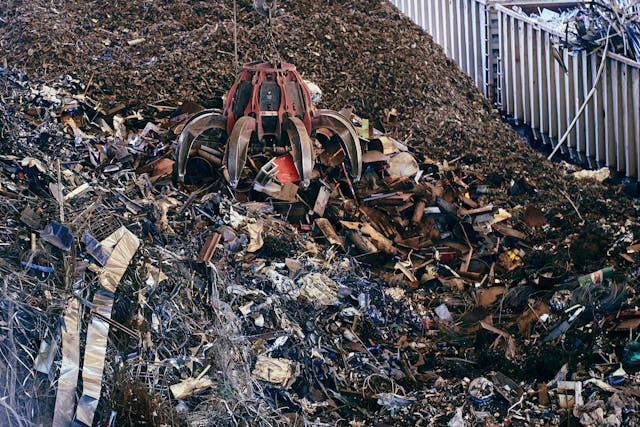
Scrap metal recycling is growing rapidly as more people and businesses look for ways to reduce waste and generate extra income. From construction companies and manufacturing plants to homeowners cleaning garages, scrap metal collection has become a profitable and environmentally responsible activity. Rising global demand for recycled metals like copper, aluminum, steel, and brass continues to increase the value of scrap materials across local and international markets.
Many individuals start collecting scrap metal without fully understanding which metals are actually valuable. As a result, they often mix different materials together, fail to separate non-ferrous metals from ferrous metals, or sell to the wrong buyers all of which can significantly reduce payouts. Another common challenge is finding reliable scrap metal buyers that offer competitive pricing and transparent weighing systems.
This guide explains everything you need to know about scrap metal recycling, including the different types of scrap metal, the best collection methods, factors that affect scrap metal prices, and practical tips to maximize your profits. You will also learn where to sell scrap metal locally or online and how to choose the right scrap recycling company for better returns.
Whether you are an individual seller, contractor, tradesperson, or business owner, understanding the scrap metal market can help you turn unwanted materials into consistent revenue while contributing to sustainable recycling practices.
What Is Scrap Metal Collection?
Scrap metal collection is the process of gathering discarded or unused metal materials so they can be recycled, reused, or resold. These materials are collected from residential properties, commercial buildings, industrial facilities, construction sites, demolition projects, and manufacturing operations. Instead of allowing valuable metals to end up in landfills, scrap metal collectors recover and sort them for processing through recycling facilities and scrap yards.
With rising demand for recycled metals worldwide, scrap metal collection has become an important part of the recycling industry and the global supply chain. Both individuals and businesses participate in collecting metals such as copper, aluminum, brass, stainless steel, iron, and lead because of their resale value and sustainability benefits.
Definition of Scrap Metal Collection
Scrap metal collection refers to the systematic gathering, sorting, transporting, and selling of recyclable metal waste. The collected materials may come from old appliances, machinery, vehicles, electrical wiring, pipes, roofing materials, industrial equipment, and demolished structures.
Scrap metals are generally divided into two categories:
- Ferrous metals — metals containing iron, such as steel and cast iron
- Non-ferrous metals — higher-value metals like copper, aluminum, brass, and stainless steel
Collectors often separate metals based on type and quality because properly sorted scrap metal typically receives better market prices.
Why Scrap Metal Collection Matters
Scrap metal collection plays a major role in environmental sustainability and economic growth. Recycling metals reduces the need for raw mining operations, lowers energy consumption, and decreases industrial pollution.
Environmental Benefits
Recycling scrap metal helps conserve natural resources by reducing the extraction of virgin materials. Producing recycled metal requires significantly less energy compared to mining and refining new metal ores.
Key environmental advantages include:
- Lower greenhouse gas emissions
- Reduced mining activity
- Less industrial waste
- Lower energy consumption
- Conservation of natural resources
Reduces Landfill Waste
Large amounts of metal waste from construction debris, old appliances, machinery, and vehicles often end up in landfills. Scrap metal collection diverts these materials away from waste disposal sites and puts them back into the manufacturing cycle.
This helps cities and industries reduce landfill pressure while improving waste management efficiency.
Supports the Circular Economy
Scrap metal recycling is a core component of the circular economy. Metals can be recycled repeatedly without losing their properties, making them one of the most sustainable materials in the recycling industry.
Collected scrap metal is processed and transformed into raw materials that manufacturers use to create new products, infrastructure, machinery, and industrial components.
Creates Income Opportunities
Scrap metal collection can generate additional income for homeowners, contractors, electricians, plumbers, workshops, and industrial businesses. Valuable metals like copper and brass often command high scrap prices, especially when market demand increases.
Many businesses also reduce disposal costs by selling recyclable scrap instead of paying for waste removal services.
You can explore international scrap trading opportunities through Scrap Trade and Australian recycling solutions at Scrap Trade Australia.
Industries That Generate Large Amounts of Scrap Metal
Several industries produce substantial amounts of recyclable metal waste during daily operations, renovations, repairs, and demolition projects.
Construction Industry
Construction sites generate scrap steel, aluminum frames, copper wiring, roofing sheets, pipes, and reinforcement materials. Renovation and infrastructure projects also create large volumes of recyclable metal debris.
Manufacturing Industry
Factories and production facilities produce leftover metal offcuts, damaged components, machine parts, and industrial scrap during manufacturing processes. These materials are commonly recycled to recover value and reduce waste.
Automotive Industry
Vehicle repairs, dismantling operations, and car recycling centers generate scrap metal from engines, batteries, radiators, wheels, catalytic converters, and body panels.
Electrical Industry
Electricians and electrical contractors regularly collect copper wires, cables, transformers, switchboards, and electronic components containing valuable metals.
Demolition Industry
Demolition projects are one of the largest sources of scrap metal. Destroyed buildings and industrial sites often contain structural steel, pipes, wiring, metal beams, and machinery that can be recovered and recycled.
Types of Scrap Metal You Can Collect
Understanding different types of scrap metal is essential if you want to maximize profits from scrap metal collection and recycling. Scrap metals are generally categorized into two major groups: ferrous metals and non-ferrous metals. Each category has different market values, recycling demand, and resale opportunities.
Knowing how to identify valuable scrap metals can help collectors sort materials correctly, improve recycling efficiency, and receive better payouts from scrap yards and scrap metal buyers.
Ferrous Scrap Metal
Ferrous scrap metals contain iron and are usually magnetic. These metals are widely used in construction, manufacturing, heavy machinery, and infrastructure projects. Although ferrous metals are generally less valuable than non-ferrous metals, they are collected in large quantities and remain important in the recycling industry.
Iron
Iron is one of the most commonly recycled metals. It is frequently found in:
- Old machinery
- Industrial equipment
- Gates and fences
- Pipes
- Heavy construction materials
Because iron is heavy and abundant, scrap yards often buy it in bulk rather than for high individual value.
Steel
Steel is the most recycled material globally and is commonly generated from:
- Construction waste
- Car bodies
- Structural beams
- Household appliances
- Manufacturing offcuts
Steel scrap is widely available, making it easier to collect, though its value is usually lower than copper or brass.
Cast Iron
Cast iron is durable and commonly used in older infrastructure and industrial systems. Common sources include:
- Engine blocks
- Pipes
- Manhole covers
- Machinery parts
- Cookware
Cast iron is heavier than regular steel and is often sold based on weight.
Non-Ferrous Scrap Metal
Non-ferrous metals do not contain iron and are generally more valuable because they resist corrosion and have strong industrial demand. These metals are widely used in electrical systems, plumbing, transportation, and manufacturing.
Copper
Copper is one of the highest-paying scrap metals due to its conductivity and demand in electrical applications.
Common sources include:
- Electrical wiring
- Copper pipes
- Motors
- Air conditioning units
- Transformers
Clean copper without insulation or contamination usually receives premium scrap prices.
Aluminium
Aluminium is lightweight, corrosion-resistant, and highly recyclable.
Common aluminium scrap sources include:
- Beverage cans
- Window frames
- Roofing sheets
- Car parts
- Industrial panels
Although aluminum prices are lower than copper, it is easy to collect in large quantities.
Brass
Brass is a valuable alloy made from copper and zinc. It is commonly found in:
- Plumbing fixtures
- Taps and valves
- Decorative hardware
- Ammunition casings
- Industrial fittings
Brass often offers strong resale value because of its copper content.
Stainless Steel
Stainless steel contains chromium and sometimes nickel, making it corrosion-resistant and durable.
Typical sources include:
- Kitchen appliances
- Industrial equipment
- Medical tools
- Commercial kitchens
- Automotive parts
Certain stainless steel grades containing higher nickel content can command better prices.
Lead
Lead is dense and commonly recycled from:
- Batteries
- Cable sheathing
- Industrial equipment
- Radiation shielding
Lead scrap requires careful handling because of environmental and health regulations.
Zinc
Zinc is often collected from:
- Roofing materials
- Die-cast components
- Gutters
- Industrial coatings
Although less common than aluminum or steel, zinc still holds recycling value in industrial markets.
Most Valuable Scrap Metals
The value of scrap metal depends on global commodity prices, metal purity, contamination levels, and local demand. Non-ferrous metals generally offer the highest returns.
| Metal Type | Common Sources | Typical Value Potential |
|---|---|---|
| Copper | Wiring, pipes | High |
| Brass | Plumbing fixtures | Medium-High |
| Aluminium | Cans, frames | Medium |
| Stainless Steel | Appliances | Medium |
| Steel | Construction waste | Low-Medium |
Collectors who properly separate and clean these metals often receive significantly higher payouts from scrap metal recycling centers.
For businesses and collectors looking to trade scrap materials internationally, platforms like Scrap Trade provide access to global scrap buyers and suppliers. Australian sellers can also explore local recycling opportunities through Scrap Trade Australia
Where to Find Scrap Metal for Collection
Finding reliable sources of scrap metal is one of the most important parts of building a profitable scrap metal collection business. Valuable scrap materials are generated daily by households, businesses, construction projects, and industrial operations. Knowing where to look can help collectors secure a consistent supply of recyclable metals with higher resale value.
Some of the best scrap collection opportunities come from locations where metal waste is regularly replaced, demolished, upgraded, or discarded. Collectors who build relationships with contractors, property owners, workshops, and businesses often gain access to recurring scrap metal supplies.
Residential Scrap Sources
Homes and residential properties generate a surprising amount of recyclable scrap metal during renovations, repairs, and cleanouts. Many homeowners dispose of valuable metals without realizing their resale value.
Common residential scrap sources include:
Old Appliances
Large household appliances contain steel, copper, aluminum, and electrical components that can be recycled.
Examples include:
- Refrigerators
- Washing machines
- Dryers
- Ovens
- Dishwashers
Many appliances also contain insulated copper wiring and compressors that may increase scrap value.
Roofing Sheets
Old roofing materials removed during renovations or storm damage repairs can provide large amounts of scrap metal.
Common roofing scrap includes:
- Corrugated steel sheets
- Aluminum roofing panels
- Gutters
- Flashings
Roofing contractors are often good long-term contacts for scrap collectors.
Air Conditioners
Air conditioning units are valuable because they contain multiple recyclable metals.
Typical recoverable materials include:
- Copper tubing
- Aluminum coils
- Electric motors
- Steel casings
Scrap yards often pay premium prices for clean copper recovered from HVAC systems.
Household Wiring
Electrical renovations and demolished homes produce significant amounts of copper wiring and cables. Stripped copper wire generally receives higher payouts than insulated wire.
Commercial Scrap Collection Opportunities
Commercial properties and industrial businesses regularly generate scrap metal from maintenance, upgrades, repairs, and equipment replacement projects.
Warehouses
Warehouses often dispose of:
- Steel shelving
- Pallet racks
- Damaged equipment
- Metal storage systems
Large warehouse cleanouts can produce bulk quantities of ferrous scrap metal.
Workshops
Mechanical and fabrication workshops generate valuable metal offcuts and damaged components during daily operations.
Common workshop scrap includes:
- Steel offcuts
- Aluminum pieces
- Copper wiring
- Brass fittings
- Automotive parts
Some workshops establish ongoing agreements with scrap collectors for regular pickups.
Factories
Manufacturing plants are major sources of industrial scrap metal.
Factories commonly discard:
- Production offcuts
- Defective metal parts
- Machinery components
- Stainless steel scrap
- Industrial piping
Industrial scrap is often produced in large volumes, making factories highly profitable collection sources.
Retail Renovations
Retail store upgrades and shopping center renovations create recyclable metal waste from:
- Shelving systems
- Display units
- Electrical wiring
- HVAC systems
- Ceiling grids
Retail demolition projects can provide both ferrous and non-ferrous scrap materials.
Construction and Demolition Scrap
Construction and demolition sites are among the largest producers of scrap metal. Contractors frequently remove metal materials during building upgrades, infrastructure work, and demolition projects.
Steel Beams
Structural steel from demolished buildings is commonly recycled due to its weight and high volume.
Rebar
Reinforced steel bars used in concrete structures are widely collected from demolition sites and civil construction projects.
Metal Pipes
Construction projects often remove old copper, steel, and cast iron pipes during plumbing and infrastructure upgrades.
Structural Scrap
Demolition operations generate large quantities of recyclable metal such as:
- Staircases
- Frames
- Railings
- Support columns
- Metal decking
Building relationships with demolition contractors can provide consistent access to large-scale scrap supplies.
Electronic Waste Collection
Electronic waste, also known as e-waste, contains valuable metals that can be recovered and recycled. As businesses and households upgrade technology, electronic scrap continues to grow rapidly.
Computers
Old desktop computers and laptops contain recyclable metals such as aluminum, copper, gold, and steel.
Servers
Data centers and IT companies regularly replace servers and networking equipment, creating high-volume electronic scrap opportunities.
Cables
Electrical and communication cables contain valuable copper and aluminum. Thick industrial cables often have strong resale value.
Batteries
Lead-acid batteries and industrial batteries are commonly recycled for lead recovery. Proper handling and disposal regulations should always be followed when collecting battery scrap.
Scrap Metal Collection Process Step-by-Step
A structured scrap metal collection process helps maximize profits, improve recycling efficiency, and reduce operational risks. Whether you are collecting scrap metal as an individual seller or managing commercial scrap recycling operations, proper identification, sorting, storage, and transportation are critical for achieving better payouts from scrap yards and recycling companies.
Following a step-by-step process also helps prevent contamination, improves workplace safety, and ensures compliance with recycling standards.
Step 1 – Identify Valuable Metals
The first step in scrap metal collection is identifying which metals have the highest recycling value. Correct identification allows collectors to separate premium metals from lower-value materials before selling.
Magnet Testing
One of the easiest ways to identify scrap metal is by using a magnet.
- Ferrous metals like steel and iron are magnetic
- Non-ferrous metals like copper, brass, aluminum, and lead are usually non-magnetic
Since non-ferrous metals typically have higher market value, magnet testing helps collectors quickly sort valuable materials.
Colour Recognition
Different metals have distinct colors that make identification easier.
Examples include:
- Copper → reddish-brown
- Brass → yellow-gold
- Aluminum → silver-white
- Stainless steel → shiny silver
- Lead → dull gray
Experienced scrap collectors often identify metals visually before further testing.
Weight Comparison
Metal weight can also help determine material type.
For example:
- Lead is very heavy for its size
- Aluminum is lightweight
- Stainless steel feels heavier than aluminum but lighter than lead
Comparing size-to-weight ratios helps distinguish between similar-looking materials.
Step 2 – Sort Scrap Metal Properly
Proper sorting is one of the most important factors affecting scrap metal prices. Mixed scrap usually receives lower payouts because recycling facilities must spend additional time separating materials.
Separate Ferrous and Non-Ferrous Metals
Collectors should always divide scrap into categories such as:
- Steel
- Cast iron
- Copper
- Brass
- Aluminum
- Stainless steel
- Lead
Non-ferrous metals should be kept separate because they are generally more valuable.
Remove Contamination
Contaminated scrap metal often receives reduced pricing.
Collectors should remove:
- Plastic attachments
- Rubber insulation
- Wood
- Glass
- Dirt and debris
- Oil or chemical residue
Clean scrap metal is easier to recycle and usually commands higher market rates.
Step 3 – Store Scrap Safely
Safe and organized storage protects scrap metal from damage, theft, and weather-related deterioration. Proper storage also improves collection efficiency when preparing materials for transport or sale.
Weather Protection
Certain metals can corrode or lose quality if exposed to moisture and harsh weather conditions.
Best practices include:
- Using covered storage areas
- Keeping metals off wet ground
- Protecting electrical scrap from rain
Dry and clean materials often receive better recycling prices.
Organized Bins
Separating metals into labeled bins or containers helps avoid contamination and speeds up the selling process.
Collectors often use dedicated containers for:
- Copper wire
- Aluminum cans
- Steel scrap
- Brass fittings
- Stainless steel
Efficient organization also improves workplace safety.
Safety Precautions
Scrap metal collection involves sharp edges, heavy lifting, and hazardous materials.
Collectors should use:
- Protective gloves
- Steel-toe boots
- Safety glasses
- High-visibility clothing
- Proper lifting equipment
Handling batteries, electronic waste, and industrial scrap may require additional safety measures.
Step 4 – Transport Scrap Metal
Transporting scrap metal efficiently is essential for large-scale collection operations and commercial recycling businesses. Transportation methods depend on scrap volume, weight, and metal type.
Truck Requirements
Collectors often use:
- Utility trailers
- Flatbed trucks
- Skip bins
- Roll-off containers
Heavy scrap materials like steel and cast iron may require reinforced transport equipment.
Bulk Collection Logistics
Commercial scrap collection frequently involves scheduled pickups and bulk transportation planning.
Businesses often coordinate:
- Site access
- Loading equipment
- Weight management
- Fuel efficiency
- Route optimization
Efficient logistics reduce operational costs and improve profitability.
Commercial Pickups
Many scrap recycling companies offer commercial scrap pickup services for factories, construction sites, warehouses, and demolition projects.
These services help businesses:
- Remove scrap efficiently
- Reduce waste handling costs
- Improve site cleanliness
- Generate additional revenue from recyclable materials
How Scrap Metal Prices Are Determined
- Scrap metal prices constantly fluctuate based on global commodity markets, metal quality, local demand, and recycling industry conditions. Understanding how scrap metal pricing works can help collectors, contractors, and businesses maximize profits when selling recyclable materials.
- Different metals carry different market values, and even small factors like contamination, sorting quality, and transportation costs can significantly affect final payouts. Scrap yards and recycling companies evaluate several variables before offering prices for scrap metal.
Market Demand and Global Metal Prices
- One of the biggest factors affecting scrap metal prices is international market demand. Recycled metals are traded globally and heavily influenced by commodity exchanges, manufacturing demand, infrastructure projects, and industrial production levels.
- When industries such as construction, automotive manufacturing, renewable energy, and electronics experience growth, demand for recycled metals often increases. This can push scrap prices higher.
Impact of International Commodity Markets
- Global commodity exchanges play a major role in determining scrap metal values. Prices for metals like copper, aluminum, nickel, and steel are influenced by:
- Supply chain disruptions
- Mining output
- Global economic conditions
- Energy costs
- Trade policies
- Infrastructure investments
- For example:
- Copper prices often rise during periods of strong construction and electrical demand
- Steel prices may fluctuate based on manufacturing activity
- Aluminum prices can increase when automotive and aerospace industries expand
- Because scrap recycling markets are connected internationally, local scrap yards frequently adjust their rates based on global metal pricing trends.
Metal Grade and Purity
- The grade and purity of scrap metal directly affect its resale value. Cleaner and more refined metals are easier to recycle, which means they usually receive higher payouts.
Clean Copper vs Insulated Copper Wire
- Copper is one of the most valuable scrap metals, but pricing varies significantly depending on purity.
- Clean bright copper wire receives premium pricing because it contains minimal contamination
- Insulated copper wire is worth less because recyclers must remove the plastic coating before processing
- Collectors who strip insulation from copper wiring often receive better returns.
Dirty Aluminium vs Clean Aluminium
- Aluminium prices also depend on cleanliness and material separation.
- Examples include:
- Clean aluminum sheets and cans → higher value
- Painted, mixed, or contaminated aluminum → lower value
- Scrap yards generally pay more for sorted and uncontaminated aluminum because it reduces processing costs.
Weight and Volume
- Scrap metal is usually purchased by weight, making volume an important pricing factor. Larger quantities often qualify for better commercial rates, especially for industrial sellers and contractors.
Bulk Loads Usually Get Better Rates
- Businesses delivering bulk scrap loads may negotiate higher prices because recyclers benefit from:
- Reduced collection costs
- Consistent supply
- Higher processing efficiency
- Bulk quantities are common in:
- Construction projects
- Manufacturing plants
- Demolition operations
- Warehouse cleanouts
- Some recycling facilities also offer special pricing agreements for recurring commercial scrap suppliers.
Location and Local Demand
- Scrap metal prices can vary significantly between regions due to transportation costs, competition, export activity, and local industrial demand.
Regional Pricing Differences
- Factors that influence regional scrap prices include:
- Number of nearby recycling facilities
- Export port access
- Local manufacturing demand
- Fuel and logistics costs
- Regional construction activity
Scrap Metal Collection for Businesses
- Scrap metal collection is no longer just a recycling activity for individuals. Many commercial businesses now use structured scrap collection programs to reduce waste, recover operational costs, and support sustainability initiatives. Industries that generate large amounts of metal waste can turn recyclable materials into an additional revenue stream while improving overall waste management efficiency.
- With rising disposal costs and increasing environmental regulations, businesses are investing in organized scrap metal recycling systems that improve profitability and support long-term sustainability objectives.
Benefits for Commercial Businesses
- Commercial scrap metal collection provides both financial and operational advantages across multiple industries. Businesses that regularly separate and recycle scrap materials often reduce disposal expenses while creating new income opportunities.
Extra Revenue
- Many businesses unknowingly discard valuable recyclable metals during daily operations. Collecting and selling scrap metal allows companies to recover value from materials that would otherwise become waste.
- Revenue-generating scrap materials commonly include:
- Steel offcuts
- Copper wiring
- Aluminum sheets
- Brass fittings
- Stainless steel components
- Machinery scrap
- For high-volume industries, scrap recycling can become a significant secondary income source.
Waste Reduction
- Scrap metal collection helps businesses minimize industrial waste and reduce landfill disposal requirements. Organized recycling systems improve operational efficiency by keeping worksites cleaner and reducing unnecessary waste accumulation.
- Benefits include:
- Lower waste removal costs
- Improved site organization
- Reduced landfill dependency
- Better material recovery processes
- Waste reduction programs are particularly valuable for construction, manufacturing, and demolition businesses handling large material volumes.
Sustainability Goals
- Many companies now prioritize environmental sustainability as part of their corporate strategy. Scrap metal recycling supports these goals by reducing resource consumption and lowering environmental impact.
- Commercial recycling programs contribute to:
- Reduced carbon emissions
- Lower energy usage
- Improved environmental compliance
- Sustainable supply chain practices
- ESG (Environmental, Social, and Governance) reporting initiatives
- Businesses that actively recycle scrap metal also strengthen their reputation with environmentally conscious clients and stakeholders.
Scheduled Scrap Collection Services
- Many recycling companies offer scheduled scrap collection services designed specifically for commercial and industrial operations. These programs help businesses manage scrap efficiently without interrupting daily workflows.
Industrial Pickup Programs
- Industrial scrap collection services often include:
- Scheduled bin pickups
- On-site scrap containers
- Heavy equipment loading
- Metal sorting assistance
- Transportation logistics
- Regular pickup programs ensure scrap materials are removed safely and consistently from commercial sites.
Bulk Recycling Contracts
- Large businesses frequently establish long-term recycling agreements with scrap metal buyers and recycling companies. These contracts provide stable pricing structures and ongoing collection support.
- Bulk recycling contracts commonly involve:
- Manufacturing facilities
- Construction projects
- Mining operations
- Warehousing companies
- Infrastructure contractors
- Long-term agreements can improve pricing consistency and streamline scrap management processes.
Industries That Benefit Most
- Some industries generate significantly higher volumes of recyclable metal waste than others. These sectors often gain the greatest financial and operational advantages from organized scrap metal collection programs.
Manufacturing Plants
- Manufacturing facilities produce large amounts of scrap through fabrication, machining, and production processes.
- Common recyclable materials include:
- Steel offcuts
- Aluminum scrap
- Stainless steel
- Copper wiring
- Industrial machinery components
- Manufacturers often recycle scrap continuously to reduce production waste and recover material costs.
Construction Firms
- Construction and demolition companies generate high volumes of recyclable metal during building projects, renovations, and infrastructure work.
- Typical construction scrap includes:
- Rebar
- Structural steel
- Copper piping
- Roofing materials
- Metal framing systems
- Construction firms that separate scrap properly can significantly reduce disposal expenses while improving project profitability.
Mining Operations
- Mining companies frequently recycle:
- Heavy equipment components
- Steel infrastructure
- Industrial piping
- Conveyor systems
- Electrical cabling
- Large-scale mining operations often implement dedicated industrial recycling systems to manage scrap efficiently.
Logistics Companies
- Warehouses and logistics businesses regularly dispose of:
- Metal shelving
- Storage racks
- Shipping containers
- Damaged machinery
- Fleet vehicle components
FAQs
What scrap metal is worth the most?
Copper is usually one of the highest-paying scrap metals because of its strong demand in electrical, construction, and industrial applications. Clean copper wire, copper pipes, and bright copper scrap often receive premium prices compared to steel, aluminum, or mixed metal scrap.
Can I make money collecting scrap metal?
Yes. Many individuals, contractors, and businesses generate consistent income by collecting, sorting, and selling recyclable metals. High-value materials such as copper, brass, stainless steel, and aluminum can produce strong returns, especially when sold in clean and separated condition.
How do I identify scrap metal types?
You can identify scrap metals using several methods, including:
Magnet testing
Colour recognition
Weight comparison
Spark testing
Material markings
Ferrous metals like steel are magnetic, while non-ferrous metals such as copper and aluminum are usually non-magnetic.
Do scrap yards pay more for sorted metal?
Yes. Scrap yards and recycling companies generally pay significantly higher prices for clean, sorted, and uncontaminated metals. Separating copper, brass, aluminum, stainless steel, and steel into individual categories reduces processing costs for recyclers and improves your payout.
Where can I sell collected scrap metal?
You can sell scrap metal through:
Local scrap yards
Metal recycling centers
Commercial scrap buyers
Industrial recyclers
Online scrap trading marketplaces
Conclusion
Scrap metal collection plays an important role in both environmental sustainability and profitable recycling operations. From residential cleanups and commercial renovations to construction and industrial projects, recyclable metals create valuable opportunities for individuals and businesses to generate additional income while reducing waste.
Understanding the different types of scrap metal, identifying high-value materials, and properly sorting metals can significantly improve recycling payouts. Clean and separated scrap metals such as copper, brass, aluminum, and stainless steel typically receive far better pricing than mixed or contaminated loads. Efficient storage, safe handling, and proper transportation also help maximize operational efficiency and long-term profitability.
Whether you are a homeowner collecting small quantities of recyclable metal or a business managing large-scale industrial scrap, working with trusted scrap buyers and reliable recycling platforms is essential for securing competitive market rates and smooth collection services.