

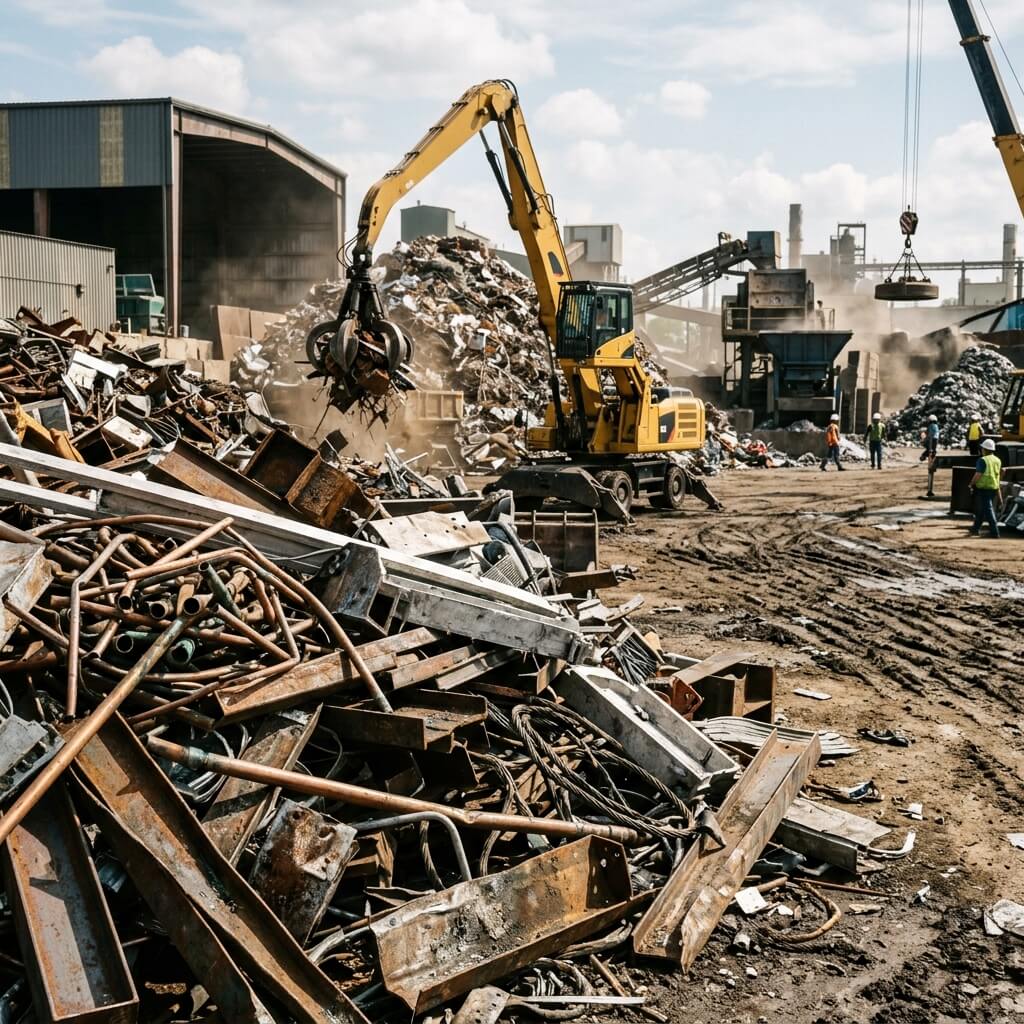
Demolition contractors in Australia generate some of the highest volumes of recyclable scrap metal, yet a significant portion of potential value is often lost due to poor material segregation, inefficient handling, and limited coordination with buyers. In large-scale projects involving structural steel, rebar, and mixed ferrous metals, proper demolition scrap recycling plays a critical role in overall project profitability.
This guide explains how demolition scrap is valued in the Australian recycling market and how pricing is influenced by grading, contamination levels, and processing requirements. It also outlines the differences between on-site and off-site sorting, the impact this has on final scrap returns, and the key compliance and permit obligations contractors must follow during demolition work.
What Is Demolition Scrap in Australia?
Definition of Demolition Scrap
Demolition scrap refers to metal waste generated during the dismantling or teardown of buildings, industrial facilities, and infrastructure projects. It includes both ferrous and non-ferrous metals, often appearing as a high-volume, mixed-grade material stream that requires sorting before resale or recycling.
Common Sources on Demolition Sites
Demolition projects produce a wide range of recyclable metal materials depending on the structure type and construction method.
Typical sources include structural steel beams and columns from commercial buildings, reinforcing steel (rebar) embedded in concrete, and roofing and cladding materials removed during dismantling. Additional sources include pipes, HVAC systems, electrical conduit, and industrial fixtures recovered from commercial and industrial sites.
Why Demolition Scrap Has High Value
Demolition scrap carries strong market value due to its volume and recyclability.
Large-scale projects generate significant quantities of recoverable steel, making them attractive to scrap traders and mills. Demand from steel manufacturers further supports consistent pricing, especially for clean, well-sorted ferrous material. When properly segregated on-site, recovery rates increase significantly, improving overall project profitability.
Most Valuable Types of Demolition Scrap
High-Value Ferrous Scrap
High-value ferrous materials are typically sourced from structural components of demolished buildings and industrial facilities. These include heavy structural steel classified under HMS-grade categories, clean steel beams and columns, and thick industrial steel plates.
Non-Ferrous High-Value Scrap
Non-ferrous metals consistently achieve the highest scrap prices due to their strong industrial demand and recyclability.
Key examples include copper wiring and piping from electrical and plumbing systems, aluminium frames and extrusions used in windows and facades, and brass fittings and valves commonly found in mechanical and hydraulic systems.
Low-Value Scrap
When demolition scrap is not properly segregated, its value decreases significantly. Mixed light steel, contaminated or painted metals, and composite materials such as metal combined with plastic or rubber typically fall into lower pricing categories.
Value Comparison Table
| Scrap Type | Value Level | Notes |
|---|---|---|
| Copper | Very High | Electrical systems, wiring |
| Heavy steel | High | Structural demolition steel |
| Aluminum | Medium–High | Frames, cladding |
| Mixed scrap | Low | Poor sorting reduces value |
On-Site vs Off-Site Sorting in Demolition Projects
On-Site Sorting
On-site sorting involves separating metals during the demolition process rather than after removal. This method ensures immediate segregation of ferrous and non-ferrous materials, significantly reducing contamination.
Additional benefits include lower rejection rates and reduced deductions during grading, making it the preferred approach for high-value demolition projects.
Off-Site Sorting
Off-site sorting involves transporting all mixed materials to a facility before separation takes place. While this approach may be simpler during demolition, it typically leads to higher processing costs and reduced efficiency.
Best Practice Workflow
A structured approach to demolition scrap management significantly improves recovery value and operational efficiency.
A pre-demolition material audit helps identify expected metal streams and plan segregation strategies in advance. Using dedicated scrap bins by category ensures metals are kept separate throughout the project. Separating copper, aluminium, and steel streams during demolition maximises resale value and simplifies downstream processing.
Pricing Structure for Demolition Scrap in Australia
How Scrap Metal Traders Price Demolition Scrap
Scrap metal traders determine demolition scrap pricing using a combination of global steel benchmarks and local operational adjustments. Base values are influenced by international steel indices, then refined according to material grade, contamination levels, and processing requirements.
Indicative Price Ranges (AUD per Tonne)
| Material Type | Price Range |
|---|---|
| Heavy steel scrap | $350 – $520 |
| Mixed light steel | $180 – $320 |
| Aluminium scrap | $1,200 – $2,200 |
| Copper scrap | $7,000 – $10,000 |
Factors That Increase Price
Several key factors can significantly improve the value of demolition scrap in Australia.
Clean on-site separation reduces contamination and increases grading accuracy, leading to better pricing outcomes. Large bulk volumes, typically 50 tonnes or more, attract stronger per-tonne rates due to improved logistics efficiency. Direct contracts with mills or established scrap traders also eliminate intermediary margins, resulting in higher returns.
How Demolition Contractors Sell Scrap Metal
Scrap Metal Yards
Scrap metal yards are the most accessible option for demolition contractors handling small to medium volumes of material. They provide quick processing and immediate cash flow through cash or bank transfer payments after weighing and grading.
Scrap Metal Traders
Scrap metal traders play a key role in aggregating larger volumes from multiple demolition sites. They negotiate pricing based on market conditions and manage logistics, grading, and distribution to mills or export channels.
Direct Mill and Bulk Buyers
Direct sales to steel mills or bulk industrial buyers offer the highest price potential for demolition scrap. These buyers require consistent grading, low contamination, and large volumes, often secured through ongoing supply agreements.
Online Scrap Trading Platforms
Digital platforms are increasingly transforming how demolition contractors sell scrap metal. They enable faster buyer matching, improved price transparency, and competitive bidding between multiple buyers.
Platforms such as Scrap Trade, Scrap Trade Australia, and Scrap Trade Now help streamline transactions and improve market access across Australia’s scrap ecosystem.
How to Maximize Scrap Value on Demolition Projects
Pre-Demolition Planning
Maximizing scrap returns begins before demolition work starts. A proper metal recovery audit helps identify where high-value materials such as copper, aluminium, and structural steel are located within the site.
Identifying high-value zones early allows contractors to plan extraction methods that reduce contamination and preserve material quality.
Efficient Site Layout
A well-organized site layout significantly improves scrap handling efficiency and final pricing outcomes.
Dedicated scrap zones help separate ferrous and non-ferrous materials during demolition, while strategic container placement reduces double-handling and transport costs.
Better site organization directly reduces contamination risk and increases overall recovery value.
Timing Market Sales
Scrap metal prices fluctuate based on global steel cycles and export demand conditions. Monitoring market trends helps contractors decide when to sell accumulated material.
Avoiding low-demand export periods and aligning sales with stronger steel market conditions can significantly improve per-tonne returns.
Common Mistakes Contractors Make
Mixing Scrap Categories
One of the most common errors in demolition projects is mixing different scrap categories such as copper, aluminium, and structural steel. This reduces overall payout because buyers typically price mixed loads at the lowest-grade equivalent.
Proper segregation is essential to preserve high-value material pricing.
Ignoring Copper and Aluminum Recovery
Failing to recover non-ferrous metals like copper and aluminium can lead to significant revenue loss. These materials often represent the highest-value fraction of demolition scrap.
Overlooking them means missing out on major profit opportunities within a project.
Not Locking Buyer Contracts Early
Delaying buyer agreements exposes contractors to price volatility in steel and non-ferrous markets. Without secured pricing or pre-arranged contracts, final returns can fluctuate significantly based on market timing.
FAQs
What is demolition scrap metal?
Demolition scrap refers to metal waste recovered during building and infrastructure teardown projects. It includes materials such as steel beams, reinforcing rebar, copper wiring, aluminium frames, and other structural or utility metals.
Who buys demolition scrap in Perth and Australia?
Demolition scrap is purchased by scrap metal traders, recycling yards, steel mills, and export buyers. The final buyer depends on material quality, volume, and whether the scrap is processed for domestic use or international export markets.
How can demolition contractors increase scrap value?
Contractors can increase returns by sorting materials on-site, separating high-value metals like copper and aluminium, and selling in bulk volumes. Clean, well-segregated scrap consistently achieves higher per-tonne pricing.
Do demolition projects require permits for scrap recycling?
Yes, most demolition projects must comply with environmental regulations, transport requirements, and waste tracking rules. Compliance varies depending on project size, material type, and local state regulations across Australia.
What scrap is most valuable in demolition projects?
Copper and aluminium are typically the highest-value materials in demolition work, followed by clean heavy structural steel and other high-grade ferrous scrap materials.
Conclusion
Demolition scrap recycling represents a significant revenue opportunity for contractors when managed strategically. The key value drivers lie in effective on-site sorting, strict compliance with regulatory requirements, and strong coordination with reliable scrap metal traders and buyers.
Proper handling of ferrous and non-ferrous materials ensures higher grading accuracy and reduces contamination losses, directly improving per-tonne returns. When supported by efficient logistics and early buyer engagement, demolition projects can shift from cost-heavy operations into structured profit-generating material recovery systems.