

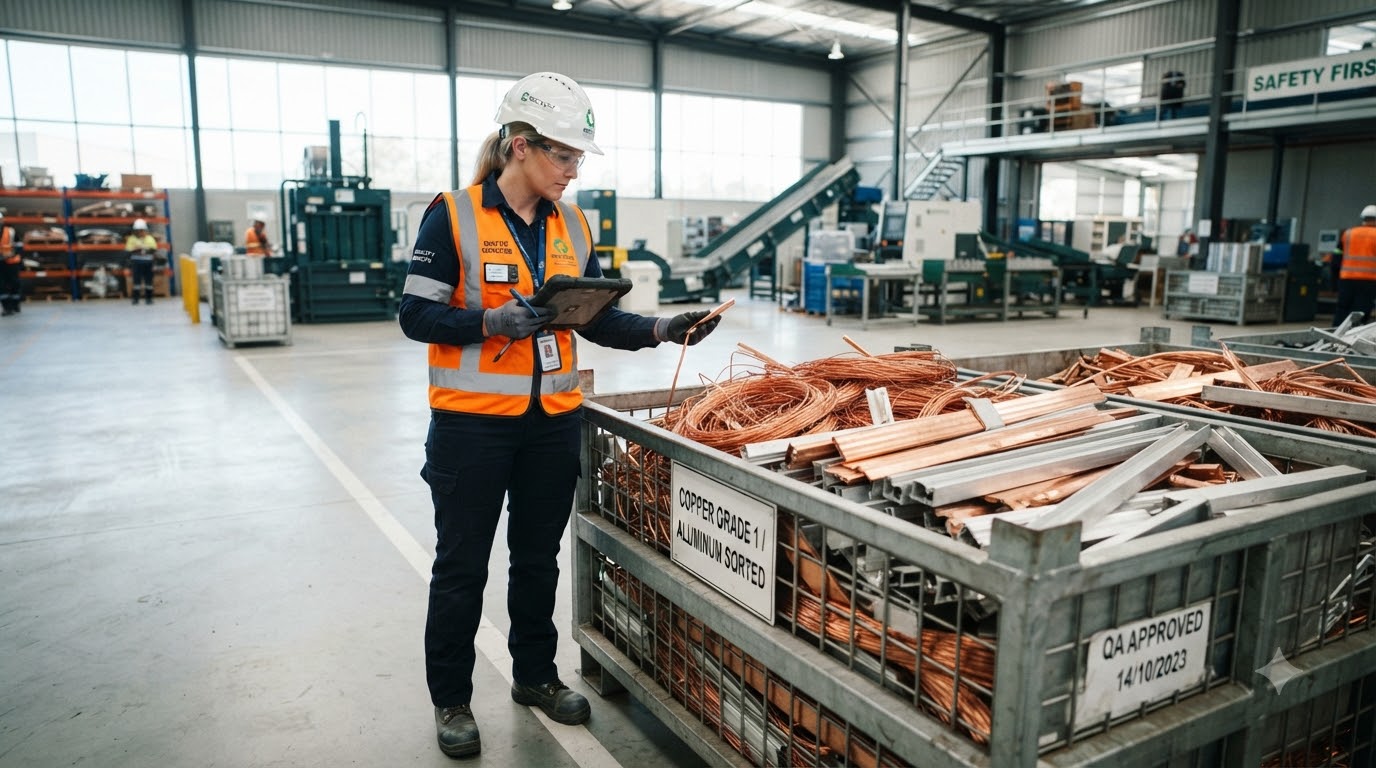
For manufacturers, foundries, fabricators, and industrial processors, scrap metal can be an important input material. But sourcing the right material consistently is not simply about finding the lowest price. Businesses also need reliable supply, suitable grades, predictable quality, sufficient volume, and practical logistics.
When scrap supply is inconsistent, production planning can become more difficult. A delayed shipment, incorrect grade, excessive contamination, or shortage of material can affect processing schedules and inventory planning.
A structured sourcing process helps manufacturers identify suitable suppliers, compare available material, and build more reliable procurement channels.
Why Reliable Scrap Sourcing Matters for Manufacturers
Manufacturing operations often depend on a steady flow of raw materials. For businesses using scrap metal as an input, sourcing interruptions can create operational challenges.
A manufacturer may require a particular grade of steel, aluminium, copper, brass, stainless steel, or another material in specific quantities. The material may also need to meet requirements for composition, dimensions, cleanliness, preparation, or other specifications.
Reliable sourcing can help manufacturers manage several areas of their operation.
First, consistent supply makes it easier to plan production and inventory. If suitable scrap is difficult to obtain, purchasing teams may need to spend additional time searching for alternative suppliers.
Second, material quality matters. Scrap that contains unexpected contamination, mixed materials, or an incorrect grade may require additional sorting or processing.
Third, quantity and delivery schedules are important for larger operations. A supplier may have suitable material but not enough volume to meet the manufacturer's requirements.
Finally, supplier communication and documentation can make industrial transactions easier to manage. Buyers need enough information to evaluate a potential purchase before committing to a deal.
For these reasons, scrap sourcing should be treated as a procurement process rather than simply a price-shopping exercise.
What to Check Before Choosing a Supplier
A supplier should be evaluated based on more than the quoted price. Manufacturers need to understand exactly what material is available and whether it matches their production requirements.
Material Grade and Specification
Start by confirming the material type and grade. For example, a manufacturer sourcing aluminium may have requirements for a particular alloy or form, while a foundry may require specific metal characteristics for its process.
If the supplier provides a grade specification, supporting documentation, photographs, or testing information, review the information carefully.
Do not assume that two materials with similar descriptions are automatically interchangeable. Grade terminology and buyer requirements can vary between markets and applications.
Quality and Contamination
Quality can have a significant effect on the usefulness of scrap as a manufacturing input.
Ask whether the material contains plastics, rubber, dirt, coatings, other metals, moisture, or other unwanted components. The acceptable level of contamination depends on the material and the buyer's processing requirements.
Clear photographs can help, but visual inspection may not establish chemical composition or exact alloy grade. Where composition is important, appropriate documentation or testing may be required.
Quantity and Availability
Manufacturers should also confirm how much material is actually available.
A supplier may advertise a large quantity but have only a portion immediately ready for shipment. For recurring requirements, buyers should clarify whether the supplier can provide similar material on an ongoing basis.
This is especially important for foundries and manufacturers that consume significant volumes and need to plan procurement around production schedules.
Location and Logistics
Location affects the commercial practicality of a scrap purchase.
Before accepting an offer, consider where the material is located, the available loading arrangements, transportation requirements, delivery terms, and any other costs associated with moving the material.
A lower material price may not produce the lowest overall procurement cost if transportation or handling requirements are significantly different.
Supplier Verification
For B2B scrap transactions, knowing who you are dealing with is important.
Manufacturers can review available business information, supplier details, material documentation, and transaction terms before proceeding.
A digital marketplace with business verification processes can provide an additional layer of information when evaluating potential trading partners.
Bulk Sourcing vs One-Off Purchases
Not every manufacturer has the same procurement requirements.
A one-off purchase may be appropriate when a business needs to cover a temporary shortage, test a new supplier, or source a specific material that is not required regularly.
Bulk sourcing is different. A manufacturer purchasing recurring volumes needs to think about consistency, availability, specifications, logistics, and supplier reliability over time.
For recurring purchases, it can be useful to establish clear requirements before approaching suppliers. These may include:
- Required material and grade
- Target quantity
- Acceptable quality or contamination level
- Delivery location
- Preferred delivery schedule
- Inspection or documentation requirements
The more clearly these requirements are defined, the easier it becomes for suppliers to determine whether they can meet the buyer's needs.
Manufacturers should also avoid evaluating bulk purchases solely on unit price. Total procurement cost, material quality, delivery reliability, and processing requirements can all influence the commercial value of a supply arrangement.
How Digital Sourcing Reduces Downtime
Traditional industrial sourcing can involve contacting multiple suppliers, requesting material details, waiting for responses, comparing spreadsheets, and negotiating through separate communication channels.
Digital sourcing platforms can simplify parts of this process by bringing material listings and buyer requirements into one online environment.
For example, a manufacturer can identify the material it needs, review available information, communicate with potential suppliers, and compare relevant offers without depending entirely on an existing supplier network.
ScrapTrade provides a global B2B scrap trading marketplace where businesses can connect around scrap material requirements and opportunities.
Manufacturers can also create a sourcing requirement through the ScrapTrade RFQ system when they are looking for specific material.
An RFQ can help communicate what the buyer is looking for, including material type, quantity, specifications, and other relevant requirements. Potential suppliers can then evaluate whether the requirement matches their available material.
This approach can expand the pool of potential suppliers while giving procurement teams a more structured way to communicate sourcing needs.
FAQs
What is scrap sourcing for manufacturers?
Scrap sourcing is the process of finding and purchasing suitable scrap materials for use in manufacturing, foundry, fabrication, recycling, or other industrial processes.
What should manufacturers look for in a scrap supplier?
Manufacturers should consider material grade, quality, contamination, quantity, availability, location, logistics, supplier information, documentation, and commercial terms.
Is bulk scrap sourcing better than one-off purchasing?
They serve different purposes. One-off purchases can address specific or temporary requirements, while bulk sourcing is more suitable for manufacturers with recurring material needs. The appropriate approach depends on production requirements and supply conditions.
How can manufacturers find industrial scrap suppliers?
Manufacturers can use existing supplier networks, direct procurement, industry contacts, and digital B2B marketplaces. Online sourcing platforms can help buyers discover potential suppliers beyond their existing network.
Conclusion
Reliable scrap sourcing is an important part of procurement for manufacturers and foundries that use recycled materials in their operations. The right supplier needs to provide more than an attractive price. Material grade, quality, contamination, quantity, availability, logistics, and supplier reliability all matter.
Bulk buyers should establish clear material specifications and sourcing requirements before approaching suppliers. This makes it easier to compare potential sources and identify material that fits production needs.
Digital B2B sourcing can also expand access to potential suppliers. Instead of relying exclusively on local contacts or existing relationships, manufacturers can use online marketplaces to discover material, communicate requirements, and explore new trading opportunities.