

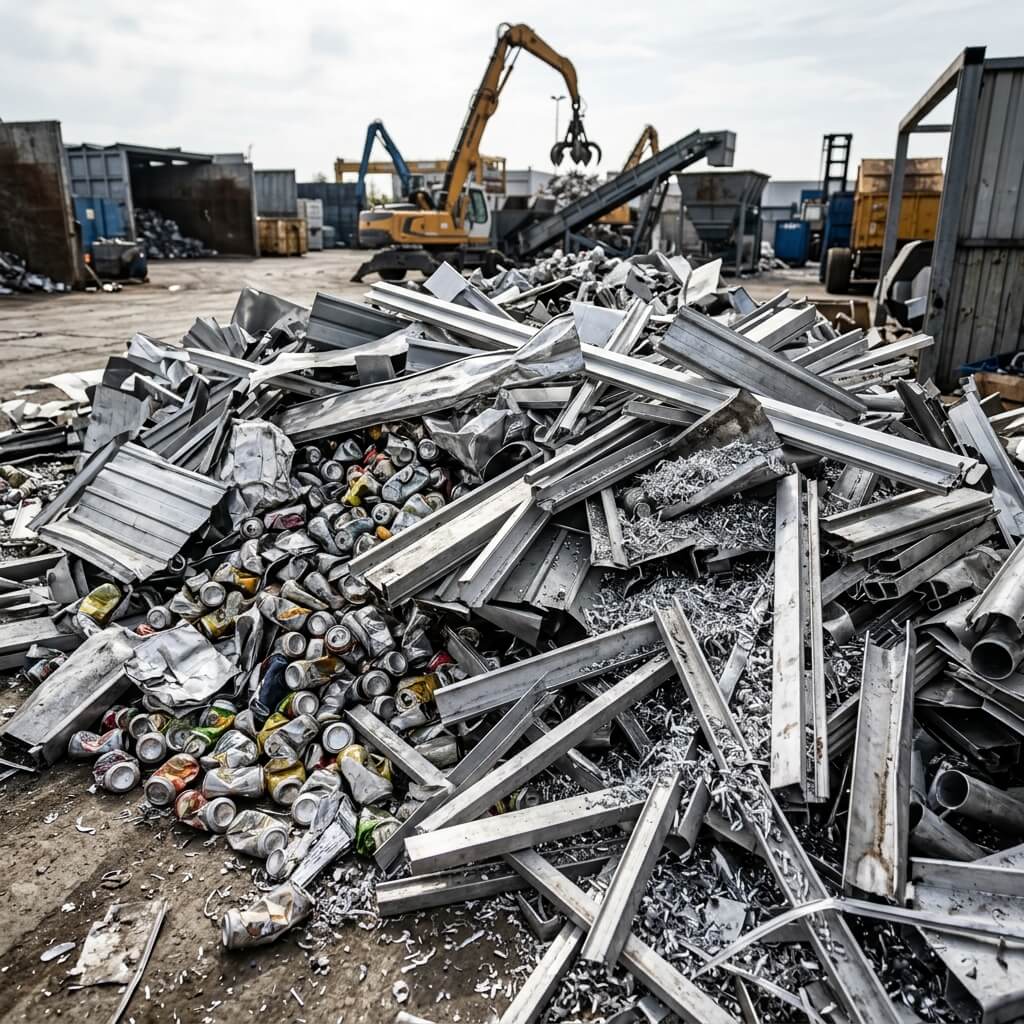
Aluminum scrap is one of the most valuable recyclable metals because it can be reused repeatedly without losing its quality. With increasing demand from construction, manufacturing, automotive, and packaging industries, the market for recycled aluminum in New York City continues to grow.
However, many sellers face challenges such as finding reliable buyers, understanding current aluminum scrap prices, and ensuring they receive fair market value for their material.
This guide explains everything you need to know about selling aluminum scrap in NYC, including pricing factors, buyer selection, and practical tips to maximize your returns.
Why Sell Aluminum Scrap in New York City?
New York City has a strong aluminum recycling market driven by consistent demand from recyclers, manufacturers, construction companies, and metal processing facilities. Selling aluminum scrap helps businesses and individuals turn unused materials into cash while supporting sustainable waste management practices.
In addition to generating revenue, aluminum recycling reduces environmental impact and ensures valuable materials remain in circulation. With growing demand for recycled metals, sellers can often secure competitive prices for clean and sorted aluminum scrap.
Benefits of Recycling Aluminum
Energy Savings
Recycling aluminum requires significantly less energy than producing new aluminum from raw materials, making it a cost-effective and environmentally friendly option.
Reduced Landfill Waste
Selling aluminum scrap prevents valuable metal from ending up in landfills, helping reduce waste and conserve natural resources.
Supports the Circular Economy
Recycled aluminum can be processed and reused multiple times without losing quality, creating a sustainable cycle that benefits both businesses and the environment.
Types of Aluminum Scrap Accepted by Buyers
Aluminum scrap buyers in New York City accept a wide range of aluminum materials from households, construction projects, manufacturing facilities, automotive businesses, and industrial operations. The value of the scrap often depends on its grade, cleanliness, and aluminum content.
Aluminum Cans
Aluminum cans are among the most commonly recycled aluminum products.
- Beverage cans
- Food containers
- Household aluminum packaging
Extruded Aluminum
Extruded aluminum is widely used in construction and commercial buildings due to its strength and durability.
- Window frames
- Door frames
- Construction materials
- Architectural aluminum components
Cast Aluminum
Cast aluminum is commonly found in automotive and industrial applications.
- Automotive components
- Machinery parts
- Engine housings
- Industrial equipment scrap
Aluminum Wheels and Rims
Vehicle wheels and rims contain high-quality aluminum that is valuable to recyclers.
- Damaged vehicle rims
- Scrap alloy wheels
- Repair shop surplus
- Automotive recycling materials
Aluminum Sheets and Plates
Manufacturing and fabrication industries often generate aluminum sheet scrap.
- Industrial scrap
- Fabrication offcuts
- Roofing sheets
- Metalworking leftovers
Insulated Aluminum Wire
Electrical and industrial operations frequently produce aluminum wire scrap.
- Electrical scrap
- Industrial cable waste
- Insulated wiring
- Utility and construction cable remnants
How to Get the Best Price for Aluminum Scrap
Getting the highest value for aluminum scrap requires proper preparation and choosing the right selling strategy. Factors such as scrap quality, quantity, market conditions, and buyer reliability can all impact the final price you receive.
Sort Scrap by Grade
One of the most effective ways to increase the value of aluminum scrap is to sort it by grade before selling. Clean aluminum typically commands higher prices than mixed or contaminated materials. Removing plastic, rubber, steel attachments, and other non-aluminum contaminants can help buyers process the material more efficiently and offer better rates.
Sell in Bulk
Larger quantities of aluminum scrap often attract more competitive pricing. Buyers generally prefer bulk loads because transportation and processing costs are lower on a per-unit basis. Businesses and industrial sellers with consistent volumes may also have greater negotiating power when discussing rates.
Monitor Market Prices
Aluminum scrap prices fluctuate based on supply, demand, and global metal market conditions. Monitoring market trends and comparing offers from multiple buyers can help sellers identify the right time to sell and secure the best available price.
Work with Trusted Scrap Buyers
Partnering with reputable aluminum scrap buyers is essential for maximizing returns. Reliable buyers provide transparent weighing processes, fair market-based pricing, and prompt payments. Working with trusted recycling companies or established scrap trading platforms can help sellers avoid pricing disputes and ensure a smooth transaction.
How the Aluminum Scrap Selling Process Works
Selling aluminum scrap is a straightforward process when working with a reputable buyer. Understanding each step helps ensure a smooth transaction and allows sellers to maximize the value of their material.
Step 1 – Identify Your Aluminum Scrap
The first step is determining the type and quantity of aluminum scrap you have available. Buyers typically assess materials based on grade, cleanliness, and volume. Identifying whether the scrap consists of aluminum cans, extrusions, cast aluminum, sheets, wheels, or wire can help you obtain a more accurate quote.
Step 2 – Request a Quote
Once the material has been identified, sellers can contact aluminum scrap buyers and provide details about the scrap type, estimated weight, condition, and location. This information allows buyers to offer an initial price estimate based on current market conditions.
Step 3 – Collection or Delivery
After accepting a quote, the material can either be collected by the buyer or delivered to a recycling facility. Bulk quantities often qualify for pickup services, while smaller loads are commonly transported directly to the buyer's location by the seller.
Step 4 – Inspection and Weighing
Upon arrival, the aluminum scrap undergoes inspection and weighing. Buyers evaluate the material to confirm its grade, quality, and overall condition. The final weight and inspection results are used to determine the transaction value.
Step 5 – Payment
Once the inspection process is complete, payment is issued based on the agreed pricing structure and verified weight. Depending on the buyer, payment may be made through bank transfer, check, digital payment platforms, or other approved methods.
FAQs
What is the current aluminum scrap price in New York City?
Aluminum scrap prices change regularly based on market demand, global metal prices, scrap grade, and the quantity being sold. Clean and higher-grade aluminum materials generally command better rates than mixed or contaminated scrap.
What types of aluminum scrap can I sell?
Most aluminum scrap buyers accept a wide variety of materials, including aluminum cans, extruded aluminum, cast aluminum, wheels and rims, sheets and plates, insulated wire, and other industrial or manufacturing scrap.
Can businesses sell large quantities of aluminum scrap?
Yes. Commercial businesses, construction contractors, manufacturers, and industrial facilities regularly sell bulk quantities of aluminum scrap. Many buyers offer volume-based pricing and collection services for larger loads.
Do I need to clean aluminum scrap before selling?
Cleaning and sorting aluminum scrap can increase its value. Buyers typically pay more for materials that are free from contaminants such as plastic, rubber, steel attachments, and other non-aluminum materials.
How can I find reliable aluminum scrap buyers in NYC?
The best approach is to compare quotes from multiple buyers, verify their reputation and licensing, and choose companies that provide transparent weighing and pricing practices. Established scrap trading platforms can also help connect sellers with trusted buyers in New York City.
Conclusion
Selling aluminum scrap in New York City is an effective way to generate revenue while contributing to a more sustainable recycling industry. Whether you are a homeowner, contractor, manufacturer, or industrial business, understanding aluminum grades, preparing materials properly, and staying informed about market trends can help you achieve better returns.
Working with reputable aluminum scrap buyers and comparing multiple offers ensures fair pricing and a smooth selling experience. Platforms such as Scrap Trade, Scrap Trade Australia, and Scrap Trade Now can help connect sellers with trusted buyers and streamline the aluminum scrap selling process. By taking the right approach, you can maximize the value of your aluminum scrap while supporting the growing circular economy.