

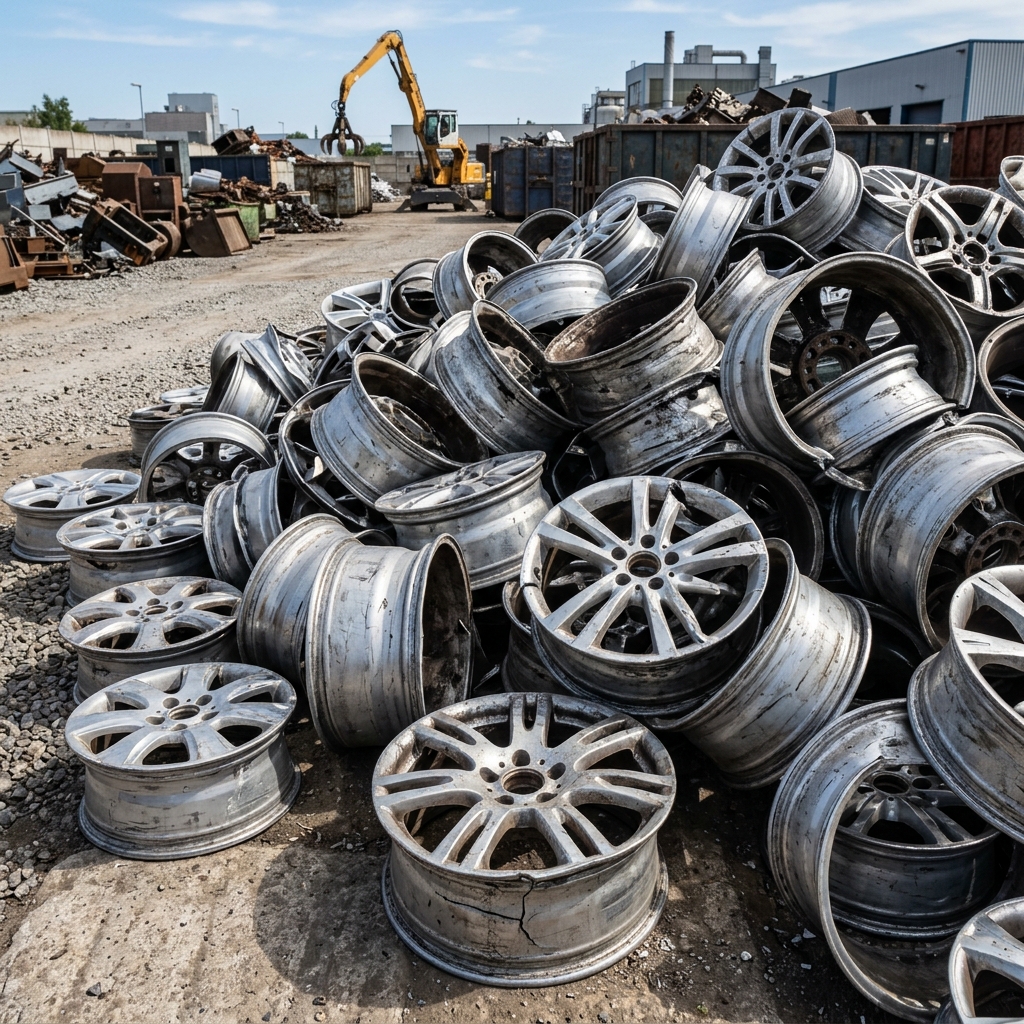
Old, damaged, or unwanted aluminum wheels can still hold significant value in the scrap metal market. Vehicle owners, auto repair shops, tire centers, dealerships, and automotive recyclers across Detroit regularly generate aluminum wheel scrap but often struggle to determine its true value or find reliable buyers offering competitive prices.
With Detroit's strong automotive industry and active metal recycling sector, there is consistent demand for scrap aluminum wheels. However, factors such as wheel condition, weight, contamination, and current aluminum market prices can all influence the amount sellers receive.
Why Sell Aluminum Wheels for Scrap?
Aluminum wheels are among the most valuable types of aluminum scrap because they are manufactured from high-quality aluminum alloys that can be efficiently recycled and reused. Even damaged, worn, or unusable wheels retain significant scrap value due to the metal content they contain.
Recycled aluminum from wheels is commonly used to produce new automotive components, construction materials, and industrial products, creating steady demand across multiple industries. As a result, scrap yards, metal recyclers, and secondary aluminum smelters actively purchase aluminum wheel scrap and often offer competitive pricing for clean loads.
Benefits of Recycling Aluminum Wheels
Recycling aluminum wheels offers both financial and environmental advantages. Instead of allowing old or damaged rims to take up valuable space, sellers can convert them into revenue while contributing to a more sustainable recycling system.
One of the primary benefits is the ability to generate cash from unwanted aluminum rims that are no longer suitable for vehicle use. Even bent, cracked, or damaged wheels often retain significant scrap value because of their aluminum content.
Recycling also helps reduce landfill waste by keeping reusable metal materials in circulation. The recovered aluminum can be processed and used to manufacture new automotive parts, construction products, and industrial components, reducing the need for raw material extraction.
For businesses such as repair shops, tire centers, and auto recyclers, selling scrap aluminum wheels is an effective way to recover value from damaged inventory while freeing up storage space in garages, warehouses, and workshops. This creates a cleaner work environment and improves operational efficiency.
Current Aluminum Wheel Scrap Prices in Detroit
Aluminum wheel scrap prices in Detroit vary based on market conditions, wheel quality, contamination levels, and local demand from recyclers and aluminum processors. Clean aluminum wheels generally command the highest prices because they require less processing before recycling, while wheels containing steel inserts, excessive dirt, or attached tires may receive lower rates.
| Material | Estimated Price Range |
|---|---|
| Clean Aluminum Wheels | $0.70 – $1.10 per lb |
| Dirty Aluminum Wheels | $0.50 – $0.90 per lb |
| Mixed Aluminum Scrap | $0.30 – $0.80 per lb |
These price ranges are intended as general estimates and may change based on fluctuations in aluminum markets and individual buyer requirements. Sellers can often secure better pricing by removing non-aluminum components, cleaning the wheels, and comparing quotes from multiple scrap buyers before selling.
Factors Affecting Aluminum Wheel Prices
Several factors influence the price buyers are willing to pay for aluminum wheel scrap in Detroit. Understanding these variables can help sellers maximize the value of their material and secure more competitive offers.
Current Aluminum Market Rates
Aluminum wheel scrap prices are closely tied to broader aluminum market conditions. Changes in global supply, industrial demand, energy costs, and recycling activity can cause prices to rise or fall over time.
Clean vs. Dirty Wheels
Clean aluminum wheels generally receive higher prices because they require less processing. Wheels that contain excessive dirt, grease, rubber residue, or other contaminants may be downgraded and valued at lower rates.
Presence of Steel Inserts
Many aluminum wheels contain steel inserts, bushings, or attached hardware. Since steel and aluminum must be separated during processing, buyers may reduce pricing for wheels that contain significant amounts of non-aluminum materials.
Valve Stems and Wheel Weights
Rubber valve stems, lead wheel weights, and other attached components can affect the overall grade of the scrap. Removing these items before selling may help improve the value of the aluminum wheels.
Quantity Being Sold
Larger quantities of aluminum wheel scrap often attract better pricing. Bulk loads are generally more appealing to recyclers because they reduce handling and transportation costs, giving sellers greater negotiating leverage.
Local Recycler Demand
Prices can also vary based on demand from local scrap yards, recyclers, and secondary aluminum processors. When demand for recycled aluminum is strong, buyers may offer more competitive rates to secure available material.
How to Get the Best Price for Aluminum Wheels
Maximizing the value of aluminum wheel scrap requires proper preparation before selling. Buyers typically pay more for clean, well-sorted material because it reduces processing time and improves recycling efficiency.
Remove Non-Aluminum Components
One of the easiest ways to increase the value of aluminum wheels is to remove non-aluminum attachments before taking them to a recycler. Components such as tire weights, valve stems, center caps, and rubber tires add contamination and can reduce the grade of the material.
Scrap metal buyers often offer higher prices for clean aluminum wheels because they require less labor and processing. Many experienced recyclers also recommend removing wheel weights and accessories to avoid having the wheels classified as lower-value "dirty rims."
Separate Aluminum Wheels from Other Metals
Keeping aluminum wheels separate from steel rims and other scrap metals helps buyers identify and classify the material correctly. Properly sorted loads are easier to process and are more likely to qualify for premium aluminum wheel pricing.
Sell Larger Quantities
Volume can have a significant impact on pricing. Auto repair shops, tire retailers, vehicle dismantlers, fleet operators, and automotive recycling businesses that accumulate larger quantities of aluminum wheels often receive more competitive rates. Bulk loads reduce handling costs for buyers and can provide sellers with stronger negotiating leverage when requesting quotes.
Aluminum Wheels vs. Selling Used Wheels
Before sending aluminum wheels to a scrap yard, it is worth evaluating whether they still have resale value in the used automotive market. In many cases, functional wheels can generate significantly more revenue when sold as used parts rather than as scrap metal.
Sell as Used Wheels When
Aluminum wheels are often worth selling as used components if they remain structurally sound and visually presentable. Original equipment manufacturer (OEM) wheels from popular vehicle brands typically have strong demand among vehicle owners seeking replacements. Wheels with minimal curb rash, cosmetic wear, or minor imperfections may still command prices well above their scrap value.
Scrap When
Scrapping becomes the better option when wheels are no longer suitable for safe vehicle use. Cracked wheels, rims bent beyond repair, heavily corroded aluminum, or incomplete and mismatched wheel sets often have limited resale demand. In these situations, selling the material as aluminum scrap provides a practical way to recover value from otherwise unusable wheels.
How the Selling Process Works
Selling aluminum wheel scrap in Detroit is a straightforward process when the material is properly prepared and sold to a reputable recycler. Understanding each stage can help ensure accurate pricing and a smooth transaction.
Step 1 – Sort Wheels
Begin by separating aluminum wheels from steel rims and other scrap metals. Proper sorting allows recyclers to identify the material quickly and helps ensure the wheels are graded correctly for pricing purposes.
Step 2 – Remove Attachments
Before selling, remove any non-aluminum components that may reduce the value of the wheels. Items such as valve stems, wheel weights, center caps, and other accessories can affect grading and may result in lower payouts if left attached.
Step 3 – Request Quotes
Contact multiple aluminum wheel scrap buyers in the Detroit area and compare their offers. Pricing can vary between recyclers depending on market demand, processing capabilities, and material requirements, making it worthwhile to evaluate several options.
Step 4 – Weighing and Inspection
Once the wheels are delivered or collected, the recycler will inspect the material and verify its condition. The wheels are weighed, assessed for cleanliness, and evaluated for contaminants that could affect the final grade and price.
Step 5 – Receive Payment
After inspection is complete, payment is calculated based on the verified weight of the aluminum wheels and the current market rate. Sellers typically receive compensation according to the final grade and condition of the material.
Sell Aluminum Wheel Scrap Online
Online scrap marketplaces provide an efficient way to connect with a broader network of aluminum wheel scrap buyers. Rather than relying on a single local recycler, sellers can reach multiple buyers, compare offers, and gain greater visibility into current market pricing.
For businesses such as auto repair shops, tire centers, vehicle dismantlers, and fleet operators, online platforms can simplify the process of managing large-volume transactions while increasing opportunities to secure competitive rates. They also help streamline communication, quote requests, and buyer comparisons, making the selling process more transparent and efficient.
Recommended platforms for buying and selling aluminum wheel scrap include Scrap Trade and Scrap Trade Australia. These marketplaces help sellers connect with verified buyers, compare pricing options, and maximize the value of their aluminum wheel scrap.
FAQs
How much are aluminum wheels worth for scrap in Detroit?
The value of aluminum wheel scrap depends on current aluminum market prices, wheel condition, and local buyer demand. Clean aluminum wheels typically sell for approximately $0.70 to $1.10 per pound, although rates can vary between recyclers and market conditions.
Should I remove tires before selling aluminum wheels?
Yes. Removing tires before selling aluminum wheels is generally recommended. Tire-free wheels are easier for recyclers to process, reduce contamination, and may qualify for higher-value clean aluminum wheel pricing.
Can damaged wheels still be recycled?
Yes. Most scrap recyclers accept aluminum wheels that are bent, cracked, corroded, or otherwise unsuitable for reuse. Even when a wheel no longer has resale value, the aluminum content can still be recovered and recycled.
Are aluminum wheels worth more than mixed aluminum scrap?
In many cases, yes. Aluminum wheels are often valued higher than mixed aluminum scrap because they contain quality aluminum alloys that are widely used in automotive and industrial manufacturing applications.
Do I need identification to sell aluminum wheels?
Most scrap yards in Michigan require sellers to provide a valid government-issued photo ID when completing a scrap metal transaction. Identification requirements help recyclers comply with state regulations and maintain transaction records.
Conclusion
Selling aluminum wheels for scrap in Detroit is a practical way to generate revenue from old, damaged, or unwanted rims while supporting metal recycling efforts. Because aluminum wheels contain valuable alloy materials, they often command higher prices than many other types of aluminum scrap.
To maximize your return, remove non-aluminum components, keep wheels separate from other scrap metals, and compare offers from multiple buyers before selling. Evaluating whether the wheels still have resale value can also help you determine the most profitable option. Reusable OEM wheels may be worth more in the used parts market, while damaged or heavily worn rims are often best sold as scrap.