

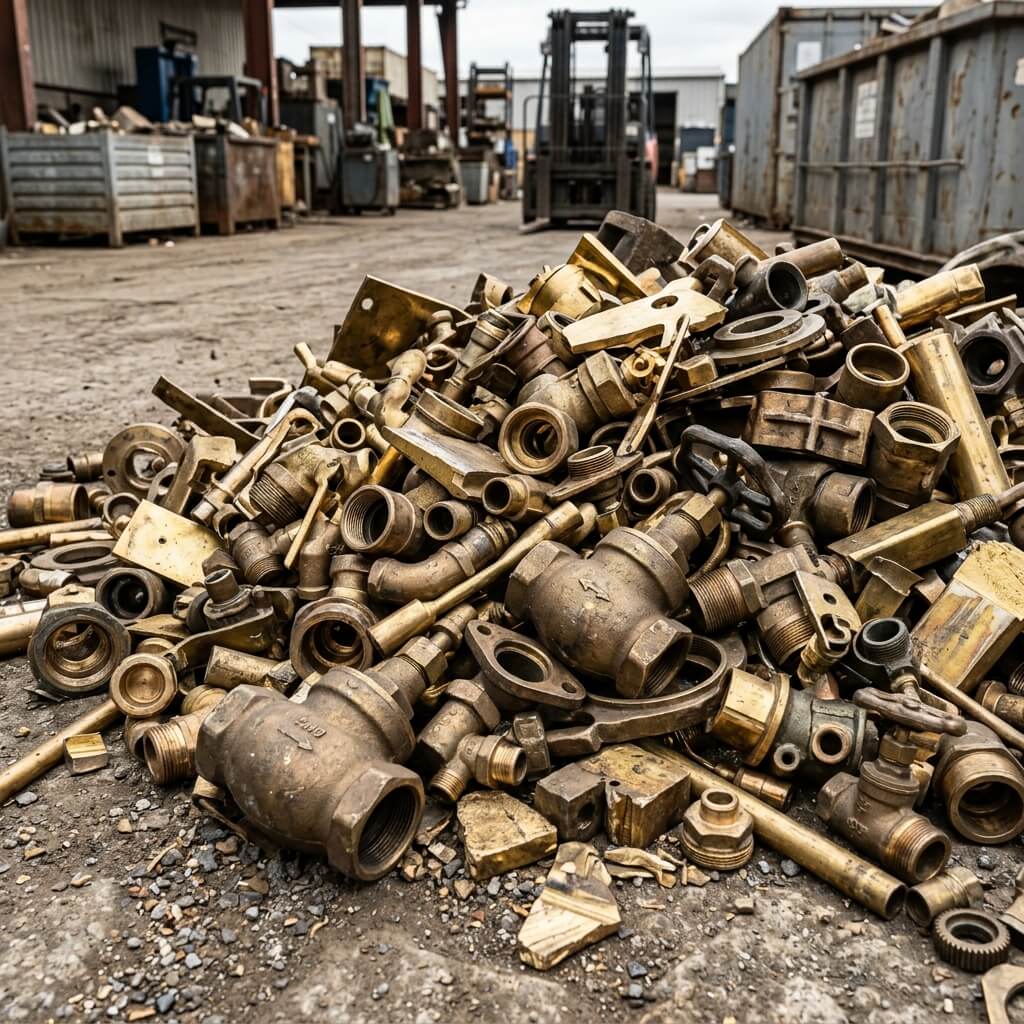
Brass scrap is one of the most valuable non-ferrous metals available in the recycling market. Whether you are a plumber, contractor, manufacturer, demolition company, or homeowner, selling brass scrap in Philadelphia can generate significant returns while supporting sustainable recycling efforts.
Many sellers are unaware of the different brass grades and how they affect pricing. Understanding the types of brass scrap, current market rates, and preparation methods can help you maximize your payout. This guide covers everything you need to know about selling brass scrap in Philadelphia, including pricing, accepted materials, and tips for getting the best offers.
Why Sell Brass Scrap in Philadelphia?
Philadelphia has a well-established scrap metal recycling market supported by its manufacturing, construction, plumbing, and infrastructure sectors. Brass scrap continues to be highly sought after because it contains valuable copper and zinc, two metals that can be efficiently recovered and reused in new products. As demand for recycled metals grows, brass remains one of the more profitable non-ferrous scrap materials for both individuals and businesses.
Benefits of Recycling Brass Scrap
Recycling brass scrap allows sellers to generate revenue from materials that might otherwise sit unused or be discarded. Old plumbing fixtures, brass fittings, valves, hardware, and industrial components can often be converted into cash through local recyclers and scrap buyers.
Brass recycling also helps reduce landfill waste by keeping valuable metals in circulation rather than sending them to disposal sites. The recovered material can be processed and used in the production of new plumbing products, industrial equipment, electrical components, and construction materials.
Common Types of Brass Scrap Accepted by Buyers
Brass scrap buyers in Philadelphia accept a wide range of brass materials generated by residential, commercial, industrial, and manufacturing activities. The value of brass scrap depends on factors such as copper content, cleanliness, and material grade.
Yellow Brass
Yellow brass is one of the most common types of brass scrap and is widely used in plumbing and hardware applications. It is frequently recovered during renovation, demolition, and plumbing replacement projects.
Common sources include plumbing fixtures, faucets, valves, and pipe fittings.
Red Brass
Red brass contains a higher percentage of copper than yellow brass, which often makes it more valuable in the scrap market. Its durability and corrosion resistance make it a popular material for water distribution and industrial systems.
Common sources include water meters, industrial valves, pump components, and heavy-duty plumbing equipment.
Brass Shell Casings
Brass shell casings are regularly collected and recycled due to their high-quality brass content. When properly cleaned and sorted, they are a valuable source of recyclable metal.
Common sources include spent ammunition casings, shooting range brass, and industrial brass components.
Brass Radiators
Brass radiators contain recoverable brass and copper materials that are highly desirable to recyclers. Their value is typically influenced by the amount of recoverable metal and the level of contamination present.
Common sources include automotive radiators and industrial heat exchangers.
Mixed Brass Scrap
Mixed brass scrap consists of various brass items that may not fit into a specific grade category. While often valued lower than sorted brass grades, it still offers significant recycling value.
Common sources include manufacturing offcuts, household brass items, decorative brass fixtures, hardware components, and miscellaneous brass materials.
Current Brass Scrap Prices in Philadelphia
Brass scrap prices in Philadelphia are influenced by several factors, including copper and zinc market trends, material purity, contamination levels, and local recycler demand. Higher-grade brass materials with greater copper content typically command stronger prices, while mixed or dirty brass may receive lower payouts due to additional processing requirements.
Recent market data indicates the following typical price ranges for brass scrap in the Philadelphia area:
| Brass Type | Estimated Price (USD/LB) |
|---|---|
| Red Brass | $3.20 – $3.25 |
| Yellow Brass | $3.00 – $3.05 |
| Brass Rod | $2.95 – $3.00 |
| Brass Pipe | $2.85 – $2.90 |
| Brass Shells | $2.70 – $2.75 |
| Dirty Brass | $1.40 – $1.50 |
These prices should be viewed as general estimates and may vary based on market fluctuations, material quality, quantity being sold, and individual buyer requirements. Sellers can often achieve better returns by sorting brass by grade, removing contaminants, and obtaining quotes from multiple scrap buyers before completing a transaction.
Factors That Affect Brass Scrap Prices
Several variables influence the price of brass scrap in Philadelphia. Understanding these factors can help sellers maximize the value of their material and better evaluate offers from scrap buyers.
Brass Grade and Composition
Different types of brass contain varying amounts of copper and zinc, which directly impacts their market value. Higher-grade materials such as red brass typically command stronger prices than mixed or lower-grade brass scrap.
Copper Content
Copper is the most valuable component of brass. Materials with higher copper concentrations generally receive better pricing because they provide greater value to recyclers and manufacturers during the recovery process.
Cleanliness of Material
Clean brass that is free from dirt, plastic, rubber, steel attachments, and other contaminants is usually worth more than dirty or mixed material. Buyers often reduce pricing when additional processing is required to remove impurities.
Quantity Available
Larger quantities of brass scrap can often secure more competitive rates. Bulk loads are attractive to recyclers because they improve processing efficiency and reduce transportation costs on a per-pound basis.
Current Metal Market Conditions
Brass scrap prices are heavily influenced by fluctuations in copper and zinc markets. Changes in global supply, industrial demand, and commodity pricing can cause brass values to rise or fall over time.
Local Buyer Demand
Pricing may also vary depending on demand from local scrap yards, metal processors, foundries, and recycling facilities. When demand for recycled brass is strong, buyers may offer higher prices to secure available material.
How to Get the Best Price for Brass Scrap
Maximizing the value of brass scrap requires proper preparation before selling. Buyers typically pay more for clean, well-sorted brass because it reduces processing costs and allows for easier recycling.
Separate Brass by Grade
Sorting brass by grade is one of the most effective ways to increase scrap value. Keeping red brass, yellow brass, brass shells, and mixed brass separate enables buyers to accurately assess each material and offer pricing based on its specific composition. Mixed loads are often downgraded and may receive lower rates.
Remove Non-Metal Components
Brass scrap should be free from unnecessary attachments and contaminants before being sold. Plastic, rubber, steel components, and excess debris can reduce the grade of the material and lower the final payout.
Scrap metal recyclers frequently note that cleaner brass commands premium pricing because it requires less labor and processing. Preparing the material in advance can make a noticeable difference in the value received.
Accumulate Larger Volumes
Larger quantities of brass scrap often attract stronger offers from buyers. Bulk loads improve transportation and processing efficiency for recyclers, which can translate into more competitive pricing for sellers. This is especially beneficial for contractors, manufacturers, plumbers, and industrial businesses that generate brass scrap regularly.
Compare Multiple Quotes
Brass prices can vary between scrap yards, recyclers, and metal processors. Obtaining quotes from several buyers allows sellers to compare offers and identify the most competitive rate available. Taking the time to evaluate multiple options can help maximize returns and ensure fair market value for the material.
Common Household Items Containing Brass
Many homeowners are surprised to learn that everyday household items can contain valuable brass that can be recycled for cash. During home renovations, plumbing repairs, or general cleanouts, these items are often discarded without realizing their scrap value.
Brass is commonly used in household products because of its durability, corrosion resistance, and attractive appearance. As a result, many older fixtures and hardware components contain significant amounts of recyclable brass.
Common household items that may contain brass include faucets, door handles, keys, plumbing fittings, decorative fixtures, hose connectors, and light fixtures. Brass can also be found in cabinet hardware, locks, valves, curtain rods, and various ornamental household accessories.
Collecting and separating these items from general waste can help homeowners recover additional value while supporting responsible metal recycling and resource conservation.
How the Brass Scrap Selling Process Works
Selling brass scrap in Philadelphia is a straightforward process when materials are properly prepared and sold through reputable recyclers. Understanding each stage of the transaction can help sellers maximize value and avoid unnecessary delays.
Step 1 – Sort Materials
The process begins by separating brass from other metals such as steel, aluminum, copper, and stainless steel. Proper sorting helps recyclers identify the material quickly and ensures brass is graded accurately, which can lead to better pricing.
Step 2 – Clean the Scrap
Before selling, brass scrap should be cleaned as much as possible. Removing non-metal attachments, debris, rubber, plastic, and other contaminants can improve the grade of the material and increase its overall value.
Step 3 – Request Quotes
Once the brass is sorted and prepared, sellers can contact local scrap buyers and recycling facilities for pricing. Comparing multiple quotes allows sellers to evaluate market rates and identify the most competitive offer available.
Step 4 – Weighing and Inspection
After delivery or collection, the recycler inspects the material to determine its grade, composition, and condition. The brass is then weighed using certified scales, and the final value is calculated based on the verified weight and material classification.
Step 5 – Receive Payment
Payment is issued according to the confirmed weight, brass grade, and current market pricing. The final amount reflects the quality of the material and prevailing demand within the scrap metal market at the time of sale.
FAQs
How much is brass scrap worth in Philadelphia?
Brass scrap prices vary based on grade, purity, and market conditions. Red brass generally commands higher prices because of its greater copper content, while yellow brass typically sells at slightly lower rates. Recent Philadelphia market prices for common brass grades have ranged from approximately $3.00 to $3.25 per pound.
What types of brass can I sell?
Most scrap buyers accept a wide range of brass materials, including yellow brass, red brass, brass shell casings, brass radiators, plumbing fixtures, valves, fittings, brass rod, brass pipe, and mixed brass scrap generated from residential, commercial, and industrial sources.
Does clean brass sell for more?
Yes. Clean brass that is free from steel attachments, plastic components, rubber, dirt, and other contaminants typically receives higher pricing. Buyers prefer clean material because it requires less processing and can be recycled more efficiently.
Can businesses sell large quantities of brass scrap?
Yes. Plumbing contractors, manufacturers, demolition companies, construction firms, and industrial facilities regularly sell bulk quantities of brass scrap. Larger volumes often qualify for more competitive pricing and may attract additional interest from recyclers and metal processors.
Should I sell brass items or scrap them?
It depends on the item. Antique, collectible, decorative, or reusable brass products may be worth significantly more through resale than as scrap metal. Before recycling, it is often worthwhile to evaluate whether an item has market value beyond its metal content, as this can maximize overall returns.
Conclusion
Selling brass scrap in Philadelphia is an effective way to generate additional revenue from unwanted metal while contributing to sustainable recycling practices. With strong demand from manufacturers, foundries, metal processors, and recycling facilities, brass remains one of the most valuable non-ferrous scrap metals available to both residential and commercial sellers.
Whether your brass scrap comes from household fixtures, plumbing upgrades, construction projects, industrial equipment, or manufacturing operations, proper preparation can significantly improve its value. Sorting brass by grade, removing contaminants, and staying informed about market conditions can help sellers secure more competitive pricing.