

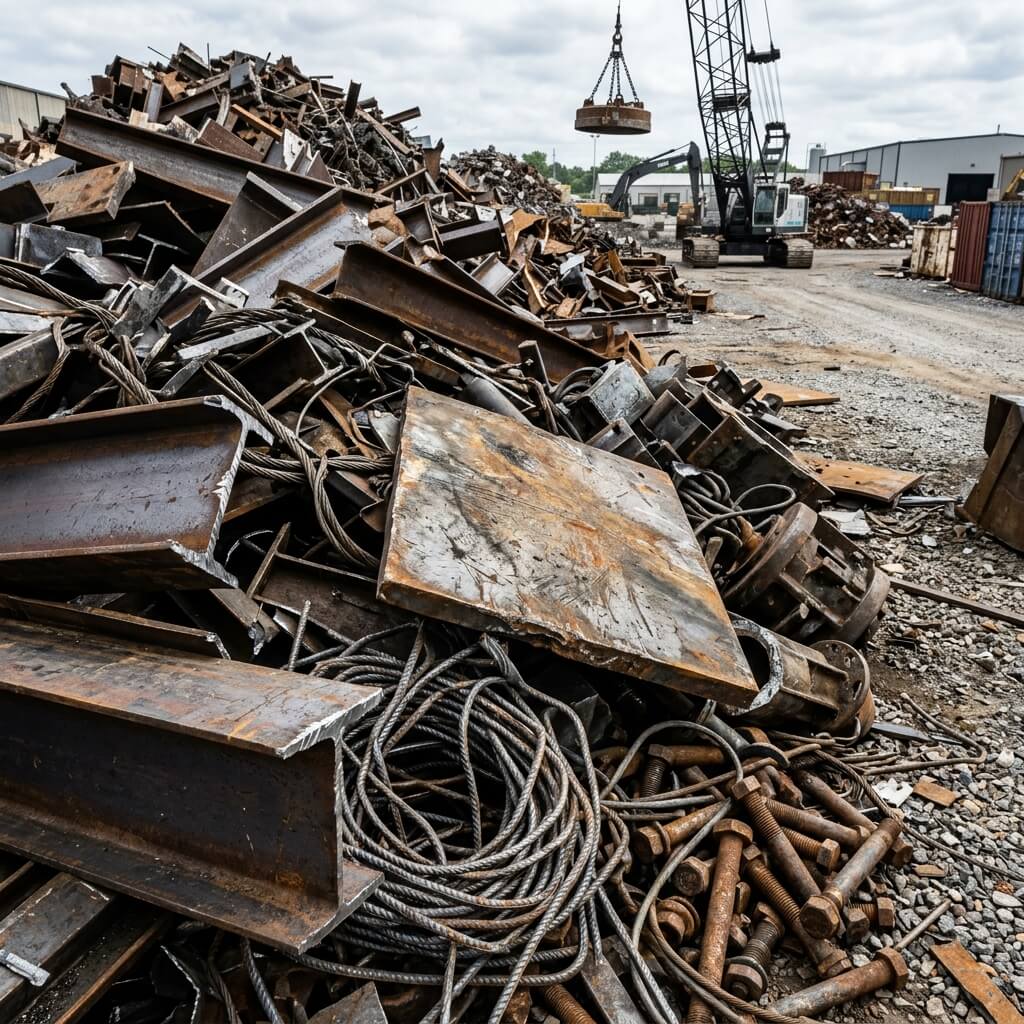
Industrial steel scrap is one of the most common recyclable materials generated by manufacturers, construction companies, fabrication shops, warehouses, and demolition contractors. However, many businesses lose money by selling mixed scrap, accepting low offers, or failing to understand current steel market conditions.
If you're looking to sell industrial steel scrap in Kansas City, understanding steel grades, pricing factors, and recycling options can help maximize your return. This guide covers everything from accepted steel materials to current market trends and the best ways to connect with reliable buyers.
Why Sell Industrial Steel Scrap in Kansas City?
Kansas City has a strong metal recycling market supported by its manufacturing, construction, transportation, logistics, and industrial sectors. The region's extensive recycling infrastructure creates consistent demand for industrial steel scrap, making it easier for businesses to convert surplus materials into revenue. Many recyclers and scrap buyers in the area offer services tailored to industrial generators, including bulk purchasing, container programs, scheduled pickups, and on-site collection solutions.
Benefits of Recycling Industrial Steel
Recycling industrial steel provides businesses with an opportunity to recover value from production waste, obsolete equipment, fabrication offcuts, and excess inventory that would otherwise require costly disposal.
In addition to generating revenue, steel recycling helps reduce waste management and landfill expenses. Many companies use recycling programs to improve operational efficiency while minimizing environmental impact.
Industrial steel recycling also supports corporate sustainability goals by reducing the demand for raw material extraction and lowering the energy required to manufacture new steel products. By keeping valuable materials in circulation, businesses contribute to a more efficient circular manufacturing economy.
Common Types of Industrial Steel Scrap Accepted by Buyers
Industrial steel scrap buyers in Kansas City accept a wide variety of ferrous metal materials generated by manufacturing facilities, warehouses, construction companies, demolition contractors, and industrial operations. The value of the material typically depends on its grade, composition, condition, and quantity.
Structural Steel
Structural steel is one of the most commonly recycled industrial materials due to its widespread use in commercial and industrial buildings. Large structural components often retain significant scrap value because of their weight and steel content.
Common examples include I-beams, H-beams, steel columns, warehouse racking systems, and structural framework removed during renovations or facility upgrades.
Heavy Melt Steel (HMS)
Heavy Melt Steel (HMS) consists of thick, heavy-gauge steel materials commonly generated during industrial operations, equipment replacement projects, and demolition activities. HMS is highly sought after by steel mills and recycling facilities because it can be efficiently processed into new steel products.
Common sources include industrial machinery, steel plate, manufacturing scrap, and demolition steel.
Sheet Steel
Sheet steel scrap is frequently produced by fabrication shops, manufacturers, and construction projects. Although lighter than structural steel, large volumes of sheet steel can still provide substantial recycling value.
Common sources include production offcuts, roofing materials, fabrication remnants, and excess sheet metal inventory.
Stainless Steel Scrap
Stainless steel contains valuable alloying elements such as chromium and nickel, often making it more valuable than standard carbon steel scrap. Properly sorted stainless steel can command premium prices in the recycling market.
Common sources include food processing equipment, industrial tanks, manufacturing machinery, processing systems, and stainless steel fabrication waste.
Industrial Equipment Scrap
Obsolete, damaged, or retired industrial equipment often contains significant amounts of recyclable steel. Recycling these assets allows businesses to recover value while freeing up operational space.
Common examples include conveyors, forklifts, machine components, steel processing equipment, production systems, and other industrial machinery no longer in service.
Current Industrial Steel Scrap Prices in Kansas City
Industrial steel scrap prices in Kansas City are influenced by a variety of factors, including steel mill demand, transportation costs, processing requirements, and global commodity market conditions. Prices can fluctuate throughout the year as supply and demand change across the manufacturing, construction, and recycling sectors.
Higher-grade materials such as structural steel and heavy melt steel (HMS) often command stronger prices than lighter or mixed steel scrap. Stainless steel is typically priced separately because its value depends heavily on alloy content, including chromium and nickel concentrations.
| Steel Scrap Type | Estimated Price Range |
|---|---|
| Shreddable Steel | $130 – $150 per ton |
| Heavy Melt Steel (HMS) | $150 – $250 per ton |
| Structural Steel | $180 – $300 per ton |
| Stainless Steel | Varies by alloy grade |
Recent regional pricing reports have shown shredded steel trading in the range of approximately $130 to $150 per ton, although actual offers may vary depending on material quality, quantity, and buyer demand. Businesses selling large industrial loads may be able to negotiate more competitive pricing, particularly for clean and well-sorted steel scrap.
Factors Affecting Steel Scrap Prices
Several factors influence the value of industrial steel scrap in Kansas City. Understanding these variables can help businesses evaluate offers more effectively and maximize returns when selling scrap materials.
Steel Grade
The type and quality of steel being sold have a significant impact on pricing. Higher-value materials such as structural steel, heavy melt steel, and certain stainless steel grades typically receive stronger offers than mixed or lower-grade scrap.
Contamination Levels
Clean steel scrap generally commands better prices than material containing dirt, concrete, plastic, rubber, wood, or other contaminants. Buyers often reduce payouts when additional processing is required to prepare the material for recycling.
Quantity Available
Larger volumes of steel scrap can improve pricing opportunities. Bulk loads are more attractive to recyclers and steel mills because they reduce handling and transportation costs, often giving sellers greater negotiating leverage.
Transportation Costs
Freight and logistics expenses play an important role in steel scrap pricing. The distance between the seller and the recycling facility, along with loading and hauling requirements, can affect the final offer received.
Mill Demand
Steel mills are major consumers of recycled steel. When mill demand is strong, recyclers often compete more aggressively for available scrap material, which can lead to higher prices for sellers.
Global Steel Market Trends
Steel scrap values are closely tied to broader market conditions. Changes in global steel production, raw material costs, economic activity, import and export demand, and industrial growth can all influence scrap steel prices over time.
Industries Generating Industrial Steel Scrap in Kansas City
Kansas City's industrial economy produces a steady supply of recyclable steel through manufacturing, construction, demolition, warehousing, and logistics operations. These industries regularly generate large quantities of steel scrap that can be sold to recyclers, processors, and steel mills.
Manufacturing Facilities
Manufacturing plants are among the largest generators of industrial steel scrap. Production processes often create excess materials, fabrication offcuts, and metal remnants that can be recycled. Equipment modernization projects, facility expansions, and plant shutdowns also generate substantial volumes of recoverable steel.
Construction Companies
Construction projects routinely produce steel scrap during building development, remodeling, and infrastructure work. Structural steel leftovers, jobsite waste, and unused materials are commonly collected and sold for recycling rather than discarded.
Demolition Contractors
Demolition contractors generate significant quantities of steel through building removals, industrial dismantling projects, and infrastructure redevelopment. Steel recovered from these operations often includes structural components, heavy steel sections, machinery supports, and other high-value recyclable materials.
Warehousing and Logistics Companies
Warehouses and distribution centers frequently produce steel scrap when upgrading storage and handling systems. Pallet racking, shelving systems, storage structures, conveyors, and material handling equipment often contain substantial amounts of recyclable steel that can be recovered at the end of their service life.
How to Get the Best Price for Industrial Steel Scrap
Maximizing the value of industrial steel scrap requires proper preparation, material management, and buyer selection. Businesses that take the time to sort, clean, and organize their scrap often receive more competitive pricing than those selling mixed or contaminated loads.
Separate Ferrous and Non-Ferrous Metals
One of the most important steps is separating ferrous metals from non-ferrous materials before selling. Mixed loads often receive lower pricing because buyers must spend additional time and resources sorting the material. Keeping steel separate from aluminum, copper, brass, stainless steel, and other metals can help ensure accurate grading and stronger offers.
Remove Contaminants
Clean steel scrap is generally more valuable than contaminated material. Removing non-metal materials before selling can improve the quality of the load and reduce processing costs for recyclers.
Common contaminants that should be removed include wood, plastic, concrete, rubber components, insulation materials, and other debris that may affect the grade of the steel.
Sell in Bulk Quantities
Larger quantities of industrial steel scrap often attract better pricing. Full truckloads, recurring volumes, and long-term supply agreements are typically more appealing to recyclers and steel processors because they improve operational efficiency and reduce transportation costs. Businesses generating consistent scrap volumes may also gain additional negotiating leverage.
Compare Multiple Offers
Steel scrap prices can vary significantly between buyers depending on demand, logistics, and processing capabilities. Obtaining quotes from several steel recyclers allows sellers to compare rates, evaluate service options, and secure the most competitive offer available. Taking the time to review multiple proposals can have a meaningful impact on overall returns.
Industrial Steel Scrap Collection and Container Services
Many industrial steel scrap buyers in Kansas City offer specialized collection and logistics solutions designed to simplify scrap management for manufacturers, construction companies, demolition contractors, warehouses, and industrial facilities. These services help businesses efficiently handle large volumes of steel scrap while reducing transportation and disposal challenges.
Common services include roll-off containers for ongoing scrap generation, on-site scrap collection for large projects, scheduled pickup programs, trailer services, and customized industrial recycling programs. These solutions allow businesses to accumulate scrap safely and efficiently before it is transported for processing and recycling.
For companies generating significant quantities of steel scrap, container and pickup programs can improve operational efficiency by reducing handling requirements and minimizing disruptions to daily operations. Many recyclers serving industrial accounts also provide transportation support and tailored recycling solutions based on the volume, type, and frequency of scrap generated.
FAQs
How much is industrial steel scrap worth in Kansas City?
Industrial steel scrap pricing in Kansas City varies based on steel grade, load size, contamination level, and current market conditions. Shreddable steel commonly trades in the range of $130 to $150 per ton, while heavier or higher-grade materials such as structural steel and heavy melt steel may achieve higher rates depending on demand and material quality.
What industrial steel materials can be sold?
Most recyclers accept a broad range of industrial steel scrap, including structural steel, heavy melt steel, steel plate, machinery scrap, warehouse racking, fabrication offcuts, and general manufacturing waste. Large industrial equipment and dismantled facility components are also commonly processed.
Can recyclers provide containers for steel scrap?
Yes. Many Kansas City scrap recyclers offer container-based services for industrial clients. This can include roll-off containers, trailers, and scheduled pickup programs designed to support ongoing scrap generation from manufacturing, construction, and demolition operations.
Does sorted steel receive better pricing?
In most cases, yes. Clean and properly sorted steel scrap is easier to process and requires less labor at recycling facilities. As a result, sorted loads typically receive more competitive pricing compared to mixed or contaminated scrap materials.
Can manufacturers sell recurring steel scrap loads?
Yes. Many recyclers in Kansas City work directly with manufacturers, fabrication shops, warehouses, and demolition contractors on recurring or long-term scrap programs. These arrangements often include scheduled pickups and customized pricing structures based on volume and consistency.
Conclusion
Selling industrial steel scrap in Kansas City provides a practical way for businesses to monetize manufacturing waste, demolition debris, fabrication offcuts, and obsolete industrial equipment while improving operational efficiency. With a well-established recycling ecosystem, the region offers consistent demand for ferrous metals across multiple industrial sectors.
To maximize returns, it is important to separate steel by grade, remove contaminants that may reduce material value, and obtain multiple offers before finalizing a sale. Proper preparation not only improves pricing but also streamlines the recycling process for buyers.