

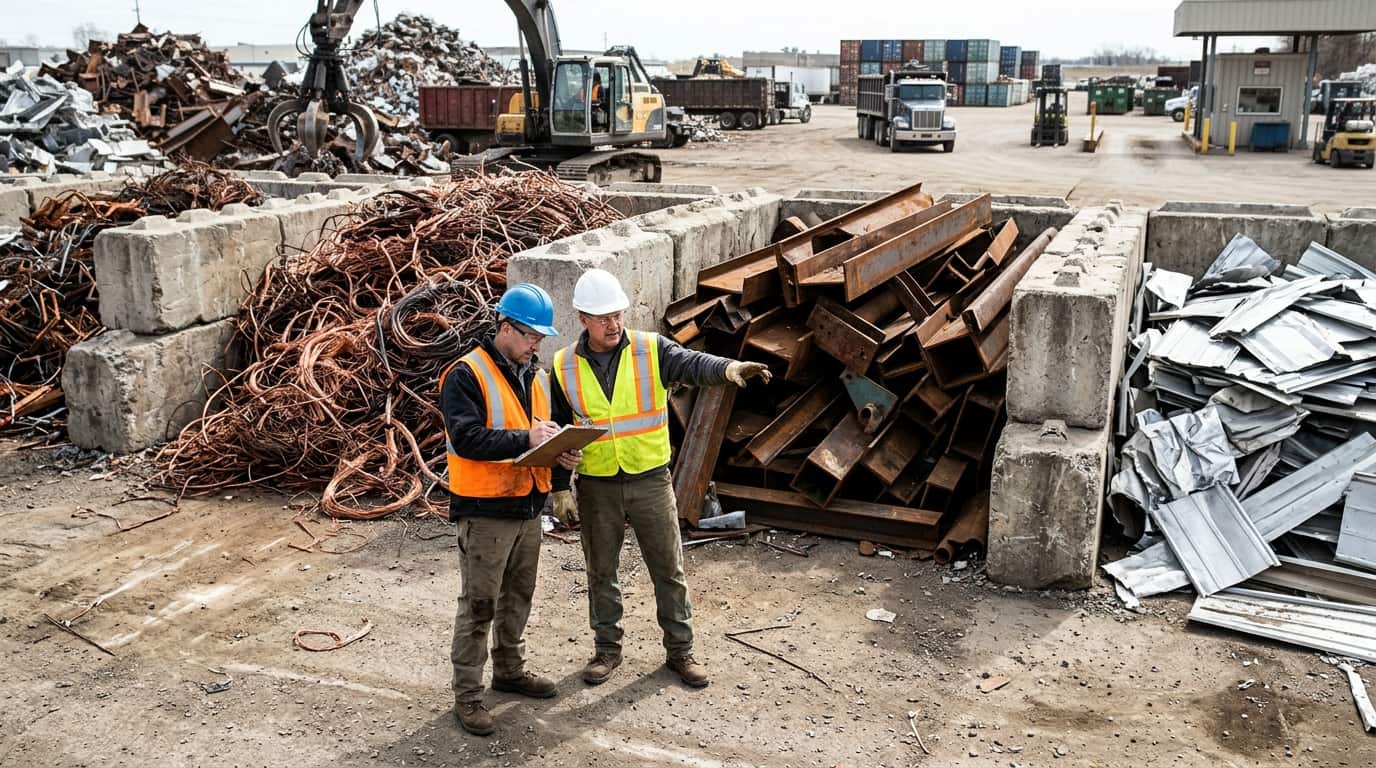
Selling scrap should not mean relying on a single local buyer or spending hours searching for businesses interested in your materials. Whether you operate a scrap yard, manage industrial waste, collect recyclable materials, or trade scrap in bulk, reaching the right buyers can make a difference to your business.
ScrapTrade provides a global online marketplace where scrap sellers can list available materials and connect with potential buyers. Instead of depending only on existing contacts, sellers can explore trading opportunities across a wider network and negotiate directly with interested counterparties.
From copper and aluminium to steel, stainless steel, electronic waste, plastics, and paper, the platform supports trading opportunities across multiple recyclable material categories.
Why Sell Scrap Directly to Buyers?
Traditional scrap selling often depends on established local relationships. These contacts can be valuable, but a limited buyer network may restrict your options when you have new materials, larger quantities, or specialised grades to sell.
Selling directly through an online marketplace offers another way to present your material to potential buyers.
Reach buyers beyond your existing network
Your regular customers may not purchase every material you have available. An online listing can help you discover other buyers whose requirements match your stock.
This can be especially useful for scrap yards, recyclers, manufacturers, demolition contractors, and industrial suppliers handling recurring quantities.
Present your material clearly
A structured listing allows you to describe the material, quantity, grade, condition, and location. Buyers can review the available information before asking questions or making an offer.
Compare trading opportunities
Depending on the listing and transaction method, sellers may receive offers or bids from interested buyers. Comparing these opportunities can help you evaluate price, payment terms, logistics, and other commercial conditions before making a decision.
How to Sell Scrap on ScrapTrade
Getting started involves preparing your material information, creating a listing, reviewing buyer interest, and agreeing on the transaction terms.
Step 1: Register and complete verification
Create an account on ScrapTrade and complete the required identity or business verification process.
Verification helps establish who is participating in a transaction. Keep your registration details accurate and provide the requested information to complete the process.
Step 2: Create a scrap listing
Prepare a clear description of the material you want to sell. Include the material category, grade where known, approximate quantity, location, condition, and relevant handling or loading details.
Upload clear photographs that show the actual material. If the scrap contains mixed grades, attachments, or contamination, describe these accurately rather than presenting the load as a clean, single-grade material.
You can begin with the ScrapTrade marketplace to explore the platform and its available trading opportunities.
Step 3: Set your price and terms
Consider the material's grade, quantity, condition, location, and expected handling or transport costs when deciding on your asking price.
Your listing and the available trading method determine how buyers can respond. Depending on the transaction, you may receive offers, negotiate terms, or participate in a bidding process.
Reference prices can help inform your decision, but they do not guarantee the final price for a specific load.
Step 4: Review interested buyers
When buyers express interest, evaluate their proposed terms rather than looking at price alone.
Confirm the material specifications, accepted quantity, inspection arrangements, weighing method, payment conditions, and responsibility for collection or delivery. Complete any appropriate checks before accepting a deal.
Step 5: Confirm the deal and arrange logistics
Once both parties agree, document the transaction terms and follow the platform's applicable payment and confirmation process.
The buyer and seller should clearly agree on pickup or delivery arrangements, loading responsibilities, final weighing, and how discrepancies will be handled. ScrapTrade provides the marketplace infrastructure, but the parties remain responsible for arranging physical logistics and complying with relevant transport and trade requirements.
What Types of Scrap Can You Sell?
ScrapTrade supports trading opportunities across several recyclable material categories. The suitability of a particular listing depends on the material details, buyer demand, and applicable requirements.
Common categories include:
- Ferrous metals: Steel scrap, heavy melting steel, cast iron, and other iron-based materials.
- Non-ferrous metals: Copper, aluminium, brass, stainless steel, and other non-ferrous grades.
- Electronic waste: Circuit boards, discarded electronic equipment, and suitable industrial electronics.
- Plastic scrap: Recyclable plastic materials and industrial offcuts.
- Paper and cardboard: Recovered packaging and other recyclable paper grades.
- Other recyclable materials: Depending on the listing category, this may include vehicles, batteries, rubber, and additional industrial materials.
Accurate classification is important. Buyers may have different acceptance criteria for clean, mixed, processed, and unprocessed scrap.
How to Make Your Scrap Listing More Attractive
A strong listing gives buyers the information they need to assess a potential purchase.
Use clear photographs. Show the material from multiple angles where practical. Include images of packaging, storage, and visible contamination or attachments when relevant.
Describe the grade accurately. Identify the material as specifically as you can. If its composition has not been verified, do not claim a confirmed grade or purity.
Provide realistic quantities. State whether the weight is estimated or verified, and explain the basis of the quantity where necessary.
Keep your listing updated. Remove or update stock information when the material is sold, reserved, or no longer available.
Respond to enquiries promptly. Answer reasonable questions about condition, location, inspection, and loading arrangements so buyers can evaluate the opportunity.
These practices can help reduce uncertainty and support more productive discussions with potential buyers.
Direct Trading and Transaction Confidence
Selling directly means the buyer and seller negotiate with each other rather than relying on a traditional intermediary to buy and resell the material. ScrapTrade provides a marketplace for discovering counterparties and managing trading interactions.
However, direct trading still requires careful checks. Before agreeing to a transaction, verify the counterparty as appropriate, review the proposed terms, and document the material description and accepted quantity.
Where the platform provides an escrow or payment-holding process, understand the applicable conditions, fees, release requirements, and dispute procedures before proceeding. Do not assume that every payment arrangement has identical terms.
For cross-border transactions, both parties should also confirm applicable customs requirements, export or import restrictions, documentation, shipping arrangements, and payment risks.
Who Can Benefit From Selling on ScrapTrade?
ScrapTrade can be relevant to different types of sellers.
Scrap yards and dealers can list available stock and explore potential demand beyond their regular customers.
Manufacturers and industrial suppliers can present suitable production offcuts and recyclable by-products to potential buyers.
Recyclers and processors can seek trading opportunities for materials that meet buyer specifications.
Demolition and automotive businesses can explore potential buyers for suitable recoverable materials.
Bulk scrap suppliers can provide detailed listings for larger loads, allowing interested buyers to assess the quantity, grade, location, and commercial terms.
Each seller should confirm that the material is legally available for sale and meets the requirements of the intended transaction.
FAQs
Can I sell scrap directly to buyers on ScrapTrade?
ScrapTrade is designed to connect sellers with potential buyers through an online marketplace. Sellers can create listings, review buyer interest, and negotiate transaction terms directly with counterparties.
Does ScrapTrade buy scrap itself?
No. ScrapTrade operates as a marketplace connecting independent buyers and sellers. It does not take ownership of the scrap material.
How should I price my scrap?
Consider the material grade, condition, quantity, location, buyer specifications, and transport or handling costs. Reference prices can support your assessment, but the final price depends on the material and the terms agreed with the buyer.
Can I sell bulk scrap internationally?
The platform supports global trading opportunities, but international transactions depend on buyer interest, material suitability, logistics, payment arrangements, and applicable import and export requirements. Buyers and sellers should verify these details before committing.
Does listing scrap guarantee a sale?
No. Listing material creates an opportunity to reach potential buyers, but a completed transaction depends on buyer interest, the offer, material specifications, verification, and agreed commercial terms.
Start Selling Scrap Directly on ScrapTrade
Expanding your buyer network can create more opportunities to sell suitable materials and develop new trading relationships. The process starts with an accurate listing, clear pricing expectations, and a willingness to evaluate offers carefully.
ScrapTrade provides a global online marketplace where sellers can list recyclable materials and connect with potential buyers beyond their existing contacts.
Visit ScrapTrade to explore the marketplace and take the next step toward selling your scrap directly to potential buyers.