

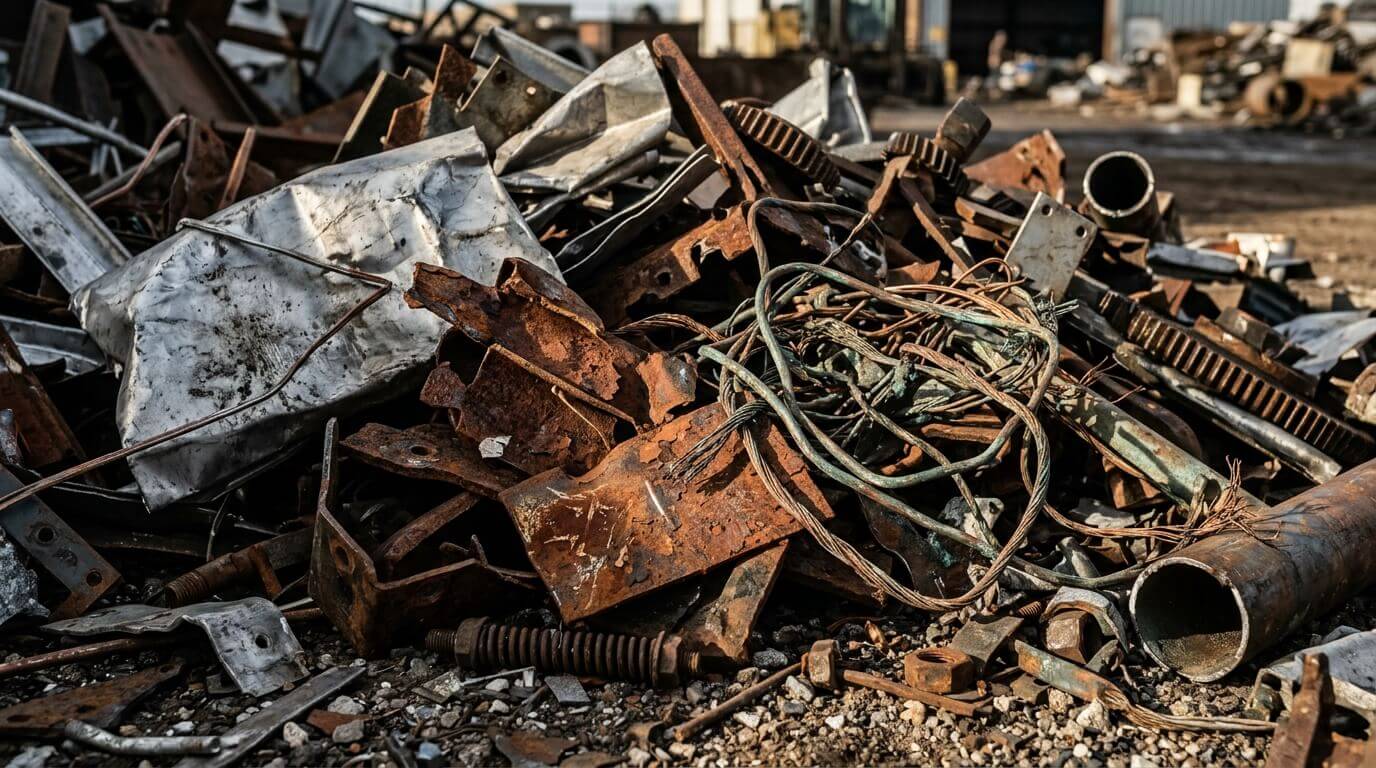
Scrap metal recycling in Australia plays a major role in reducing environmental impact from mining, manufacturing, and construction industries. Most people think scrap is just waste, but in reality, it is a critical raw material that reduces the need for virgin metal extraction.
Understanding the environmental benefits of scrap metal recycling in Australia helps sellers, businesses, and recyclers see how their materials contribute to lower emissions, reduced energy use, and a more circular economy. Every tonne of recycled metal directly offsets mining activity and significantly reduces carbon output.
Energy Savings from Scrap Metal Recycling
Scrap metal recycling significantly reduces energy consumption compared to producing metals from raw ore. The process avoids mining, refining, and high-temperature smelting, making it one of the most energy-efficient forms of industrial recycling.
Energy Reduction by Metal Type
Different metals offer varying levels of energy savings when recycled instead of being newly produced.
- Aluminium: Delivers the highest energy savings because primary aluminium production is extremely electricity-intensive. Recycling aluminium uses only a fraction of the energy required for new production.
- Copper: Also provides substantial energy savings, as recycling avoids complex ore extraction and refining processes.
- Steel: Offers strong efficiency gains since recycled steel reduces the need for blast furnace production, which is highly energy-demanding.
- Brass: Gains moderate savings, as it is an alloy of copper and zinc but still benefits significantly from reuse cycles.
Australia’s Metal Recycling Rate vs Global Average
Metal recycling performance in Australia is generally strong compared to many global markets, but results vary significantly depending on the type of metal and available processing infrastructure.
Recycling Performance Overview
Different metals show different recovery efficiencies across Australia:
Steel: One of the strongest recycling streams in Australia, supported by established domestic infrastructure, widespread scrap collection systems, and consistent demand from construction and manufacturing sectors.
Aluminium: High recycling efficiency due to strong industrial recovery systems and significant energy savings, although collection rates can vary by region and product type.
Copper: Strong recovery rates driven by high scrap value, making it economically attractive to collect and process.
Mixed metals: Lower efficiency due to sorting complexity and contamination challenges, which reduces recovery rates compared to clean, separated streams.
Why Australia Performs Well in Metal Recycling
Australia’s metal recycling sector performs strongly compared to global averages due to a combination of industrial structure, export capability, and efficient urban collection systems.
Strong Export-Driven Scrap Industry
A significant portion of Australia’s scrap metal is processed for export, particularly to Asian manufacturing markets. This export orientation creates steady demand for recyclable materials like steel, copper, and aluminium, helping maintain consistent recovery rates and commercial viability.
Established Steel Recycling Infrastructure
Steel recycling in Australia is supported by well-developed domestic infrastructure, including large-scale scrap processors, shredding facilities, and integrated supply chains linked to construction and manufacturing industries. This enables efficient recovery and reprocessing of ferrous metals.
High Collection Efficiency in Urban Areas
Major cities benefit from dense population centres and strong logistics networks, making it easier to collect scrap from residential, commercial, and industrial sources. This improves overall recovery rates and reduces transportation inefficiencies.
Industrial-Scale Scrap Recovery Systems
Large industrial operations generate predictable volumes of scrap metal, allowing for structured collection and processing systems. These include manufacturing waste streams, demolition recovery, and continuous offcut recycling, which contribute to higher national recycling performance.
What Happens After You Sell Scrap Metal
Once scrap metal is sold, it enters a structured recycling and recovery chain that transforms waste materials into reusable industrial inputs. The process is designed to maximise material recovery and minimise energy use compared to raw metal production.
1. Collection and Sorting
At the recycling facility, incoming scrap is first sorted into key categories based on composition and value:
- Ferrous metals (steel, iron)
- Non-ferrous metals (copper, aluminium, brass)
- Specialty materials (stainless steel, e-waste components, mixed alloys)
This stage determines pricing tiers and prepares material for further processing.
2. Processing and Refining
After sorting, scrap is mechanically and physically processed to prepare it for reuse.
- Shredding or baling to reduce volume
- Cleaning to remove contaminants such as plastic, rubber, or coatings
- Grading based on purity and metal composition
- Preparation for smelting or export shipping
Higher-grade materials require less processing and retain greater economic value.
3. Manufacturing Reuse
Recycled metals are then reintegrated into industrial production systems, replacing virgin raw materials.
Common end uses include:
- Construction steel and reinforcement materials
- Electrical wiring and copper components
- Automotive parts and engine components
- Packaging materials such as aluminium cans
- General consumer goods and machinery
Recycling enables a circular supply chain that reduces mining demand and production costs.
4. Export or Domestic Use
Final destination depends on market demand and material quality:
- High-grade scrap is typically exported to international smelters and manufacturers
- Lower-grade or processed materials are used in domestic manufacturing and construction industries
This dual pathway ensures maximum utilization of recovered metals across both local and global markets.
Why Scrap Metal Recycling Matters in Australia
Scrap metal recycling plays a critical role in Australia’s environmental sustainability and industrial economy. It reduces pressure on natural resources while supporting manufacturing, construction, and export-driven industries.
Environmental Impact
Metal recycling significantly reduces environmental degradation associated with raw material extraction and processing.
- Reduces landfill waste and improves landfill longevity
- Cuts mining-related land disturbance and habitat destruction
- Lowers greenhouse gas emissions from energy-intensive smelting processes
- Supports circular economy systems by keeping materials in continuous use
Recycling metals like aluminium and steel delivers substantial carbon reduction compared to virgin production.
Economic Impact
Beyond environmental benefits, scrap metal recycling contributes directly to Australia’s economy through trade and employment.
- Generates export revenue from high-demand international markets
- Supports thousands of jobs across collection, sorting, and processing industries
- Strengthens supply chain stability for construction and manufacturing sectors
- Helps buffer raw material price volatility in global markets
The industry acts as both an environmental service and a commercial export driver.
Resource Efficiency
Metal recycling improves long-term resource sustainability by reducing dependence on finite raw materials.
Instead of extracting new ore, recycling allows valuable metals to remain in circulation, maintaining their usability across multiple production cycles. This reduces energy consumption and ensures continued availability for industrial use.
Efficient resource recovery is essential for maintaining long-term material security in Australia’s growing economy.
FAQs
How does scrap metal recycling help the environment?
Scrap metal recycling helps the environment by reducing the need for mining new ore, lowering overall energy consumption, and significantly cutting CO₂ emissions. Reusing existing metals also reduces landfill waste and supports a more sustainable circular economy.
Which metal has the biggest environmental benefit when recycled?
Aluminium offers the greatest environmental benefit when recycled because it requires up to 95% less energy compared to producing primary aluminium from raw ore. This makes it one of the most energy-efficient recycling processes globally.
Does Australia recycle a lot of scrap metal?
Yes, Australia has strong recycling performance, particularly in steel and aluminium. A large proportion of industrial scrap is recovered domestically or exported for processing, supporting both local infrastructure and international recycling markets.
What happens to scrap metal after it is sold?
After sale, scrap metal is sorted by type, processed through shredding or baling, and refined for reuse. It is then either reintroduced into domestic manufacturing or exported to global markets for smelting and production.
Is scrap metal recycling better than mining?
Yes, recycling is significantly more efficient than mining. It uses far less energy, produces fewer greenhouse gas emissions, and reduces environmental disruption caused by extracting virgin ore from the earth.
Conclusion
Scrap metal recycling in Australia delivers substantial environmental benefits by reducing energy consumption, lowering CO₂ emissions, and decreasing reliance on mining. Metals like aluminium, copper, and steel become significantly more sustainable when reused instead of newly extracted.
In 2026, recycling continues to be a core pillar of Australia’s circular economy, and every tonne of scrap contributes to measurable environmental improvement.