

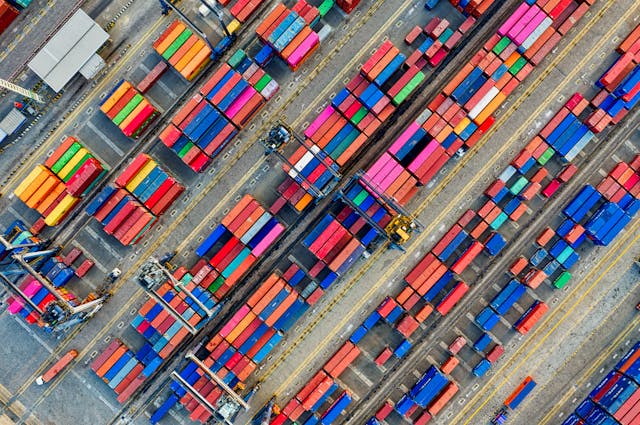
Global scrap trade has expanded rapidly, but with growth comes risk fraudulent suppliers, inconsistent quality, and unreliable shipments remain major challenges. A verified scrap import export network solves these issues by connecting only authenticated buyers, sellers, recyclers, and exporters through a trusted global system.
Instead of relying on unverified brokers or fragmented local contacts, businesses can now source copper scrap, aluminum scrap, steel scrap, stainless steel, and electronic waste through verified international networks. These systems improve trust, reduce transaction risk, and streamline cross-border recycling trade.
As sustainability demand increases and global manufacturing depends more on recycled raw materials, verified scrap import export networks are becoming essential infrastructure for safe and scalable trading. This guide explains how these networks work, what benefits they offer, key materials traded, pricing dynamics, and how businesses can use them for global expansion.
What Is a Verified Scrap Import Export Network?
A verified scrap import export network is a global trading ecosystem where all participants are screened, authenticated, and approved before they can buy or sell recyclable materials internationally.
These networks connect:
- Verified scrap suppliers
- Certified recyclers
- Industrial manufacturers
- Exporters and importers
- Commodity traders
- Processing facilities
The core purpose is to ensure safe, transparent, and reliable scrap trading across borders.
Key Verification Features
- Supplier identity verification
- Business license validation
- Material quality checks
- Trade history tracking
- Export compliance screening
- Buyer credibility assessment
Why Verified Scrap Import Export Networks Are Growing
The global scrap industry is shifting toward structured and regulated digital ecosystems.
Rising Fraud in Scrap Trade
Unverified markets often face:
- Fake suppliers
- Misrepresented materials
- Payment fraud
- Shipment delays
Verification systems reduce these risks significantly.
Increasing Global Demand for Recycled Metals
Manufacturers require stable access to recycled materials for:
- EV production
- Construction
- Electronics manufacturing
- Infrastructure development
Regulatory Compliance Requirements
Countries now enforce strict rules on:
- Waste exports
- Recycling documentation
- Environmental compliance
Verified networks simplify compliance processes.
Digital Transformation of Commodity Trade
Modern scrap trading is moving toward:
- Automated verification systems
- Digital trade records
- AI-based supplier matching
- Secure transaction platforms
How a Verified Scrap Import Export Network Works
These networks operate through a structured verification and trading system.
Step 1: Supplier Verification
Before listing materials, suppliers must provide:
- Company registration documents
- Export licenses
- Tax identification
- Operational proof
Step 2: Material Listing
Verified suppliers upload:
- Scrap type
- Grade and purity
- Quantity available
- Photos and inspection reports
- Loading port details
Step 3: Buyer Access and Filtering
Buyers search verified listings based on:
- Material category
- Country of origin
- Price range
- Certification level
Step 4: Secure Trade Matching
The network matches buyers and sellers based on:
- Verified status
- Trade compatibility
- Logistics feasibility
- Pricing agreement
Step 5: Transaction and Shipment
Once confirmed:
- Secure payment is processed
- Shipping is arranged
- Export documents are verified
- Cargo is delivered
Key Materials Traded in Verified Scrap Networks
Copper Scrap
Highly valuable and widely traded.
Includes:
- Bare bright copper wire
- Millberry copper
- Insulated copper cable
- Motor scrap
Used in:
- Electrical systems
- Renewable energy
- EV manufacturing
Aluminum Scrap
Lightweight and widely used.
Types include:
- UBC cans
- Extrusion scrap
- Cast aluminum
- Sheet aluminum
Steel Scrap
Highest volume globally.
Includes:
- HMS 1 & 2
- Shredded scrap
- Structural steel
Stainless Steel Scrap
Industrial-grade recyclable metal.
Common grades:
- 304 stainless steel
- 316 stainless steel
Electronic Scrap (E-Waste)
Contains valuable metals:
- Gold
- Silver
- Copper
- Palladium
Benefits of Verified Scrap Import Export Networks
For Buyers
- Reduced fraud risk
- Verified supplier access
- Consistent material quality
- Better price transparency
- Secure international sourcing
For Sellers
- Access to global buyers
- Higher trust and credibility
- Faster deal closures
- Reduced payment risks
For Traders
- Reliable transaction flow
- Verified counterparties
- Reduced dispute rates
For the Industry
- More transparent trade ecosystem
- Improved recycling efficiency
- Stronger global supply chains
Pricing Factors in Verified Scrap Trade
Scrap pricing is influenced by global commodity markets and verification level.
| Factor | Impact |
|---|---|
| Material Grade | Higher purity increases value |
| Verification Level | Certified sellers get better pricing |
| Global Demand | Drives price fluctuations |
| Freight Costs | Affects landed pricing |
| Quantity | Bulk reduces unit cost |
| Market Index | Benchmark pricing influence |
Estimated Price Ranges
- Copper Scrap: $6,000–$9,000 per ton
- Aluminum Scrap: $1,200–$2,500 per ton
- Steel Scrap: $300–$600 per ton
- Brass Scrap: $4,000–$6,500 per ton
Challenges in Scrap Import Export Trade
Even verified systems face operational challenges.
Common Issues
- Documentation delays
- Freight disruptions
- Price volatility
- Regulatory differences
- Quality disputes
Risk Reduction Methods
- Use verified supplier platforms
- Require inspection reports
- Use secure payment methods
- Confirm export compliance
How Businesses Use Verified Scrap Networks
Manufacturing Procurement
Companies source recycled materials for production.
Export Expansion
Sellers access international demand safely.
Recycling Optimization
Recyclers ensure consistent supply chains.
Commodity Trading
Traders reduce risk using verified counterparties.
Future of Verified Scrap Import Export Networks
The industry is evolving toward fully digital and automated ecosystems.
Key Trends
- Blockchain trade verification
- AI-based supplier screening
- Automated compliance checks
- Smart logistics integration
- Carbon tracking systems
- Global circular economy platforms
FAQs
What is a verified scrap import export network?
It is a global trading system where only verified and authenticated buyers and sellers can trade scrap materials internationally.
Why is verification important in scrap trade?
Verification reduces fraud, improves trust, ensures quality consistency, and supports secure international transactions.
Which materials are traded in these networks?
Copper, aluminum, steel, stainless steel, brass, and electronic scrap are commonly traded.
Are verified scrap networks safer than open marketplaces?
Yes, because all participants are screened and transactions are monitored for compliance and reliability.
Can small businesses join verified scrap networks?
Yes, both small traders and large industrial buyers can participate after verification.
Conclusion
A verified scrap import export network is transforming global recycling trade by increasing trust, transparency, and efficiency. By ensuring that all participants are authenticated, these systems reduce fraud and improve the reliability of international scrap transactions.
Businesses that adopt verified networks gain access to safer sourcing channels, better pricing transparency, and stronger global supply relationships.