

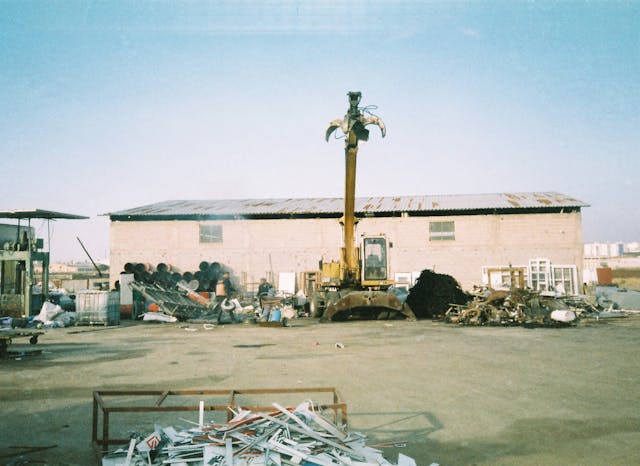
Many people hear the term “scrap yard” but are not exactly sure what it means or how scrap yards actually work. Whether you want to sell old metal, recycle industrial waste, or understand the scrap metal business, knowing the role of a scrap yard can help you make better decisions and earn more from recyclable materials.
In simple terms, a scrap yard is a business that buys, sorts, processes, and resells recyclable materials like copper, aluminum, steel, brass, batteries, and electronic waste. Scrap yards are a major part of the global recycling industry and help reduce landfill waste while supporting sustainable manufacturing.
What Is a Scrap Yard?
A scrap yard is a facility where recyclable materials are collected, processed, and sold for reuse. These businesses purchase scrap metal and other recyclable items from individuals, contractors, manufacturers, demolition companies, and industrial suppliers.
Scrap yards play an important role in:
- Metal recycling
- Waste reduction
- Industrial supply chains
- Sustainable manufacturing
- Environmental conservation
Most scrap yards specialize in buying:
| Scrap Material | Common Sources |
|---|---|
| Copper | Electrical wiring, motors |
| Aluminum | Cans, window frames |
| Steel | Construction materials |
| Brass | Plumbing fixtures |
| Stainless Steel | Kitchen equipment |
| Lead | Batteries |
| E-Waste | Computers, electronics |
How Does a Scrap Yard Work?
Scrap yards follow a structured process to handle recyclable materials efficiently.
Step 1: Scrap Collection
Materials arrive from:
- Individuals
- Construction companies
- Manufacturers
- Industrial plants
- Demolition contractors
- Automotive workshops
Some scrap yards also offer pickup services for bulk quantities.
Step 2: Sorting and Classification
Scrap is sorted into categories such as:
- Ferrous metals
- Non-ferrous metals
- Mixed metals
- Industrial scrap
- Electronic scrap
This step is critical because different metals have different market values.
Step 3: Weighing
Scrap yards use industrial scales to weigh materials. Payments are usually based on:
- Weight
- Material type
- Purity
- Current market prices
Step 4: Processing
Materials may be:
- Cut
- Crushed
- Shredded
- Melted
- Compressed into bales
Processed scrap becomes raw material for manufacturers.
Step 5: Resale to Manufacturers
The processed metal is sold to:
- Steel mills
- Smelters
- Manufacturers
- Exporters
- Industrial recyclers
Types of Scrap Yards
Different scrap yards specialize in different materials and industries.
Ferrous Scrap Yards
These facilities focus on iron-based metals such as:
Steel
Cast iron
Heavy machinery scrap
Ferrous scrap usually has lower value but larger volume.
Non-Ferrous Scrap Yards
These yards buy higher-value metals including:
Copper
Brass
Aluminum
Zinc
Nickel
Non-ferrous metals often generate higher profits.
Auto Scrap Yards
Also called salvage yards, these businesses dismantle vehicles and recycle:
Car bodies
Engines
Batteries
Catalytic converters
Electronic Scrap Yards
E-waste recycling facilities process:
Computers
Phones
Circuit boards
Servers
Industrial electronics
What Materials Can You Sell at a Scrap Yard?
Most scrap yards accept a wide range of recyclable materials.
Common Scrap Metals
Copper Scrap
Copper is one of the highest-paying scrap metals.
Examples include:
- Copper wire
- Copper pipes
- Electric motors
Aluminum Scrap
Popular aluminum scrap includes:
- Beverage cans
- Window frames
- Aluminum wheels
Brass Scrap
Brass is commonly found in:
- Plumbing fixtures
- Valves
- Decorative hardware
Steel Scrap
Steel is widely recycled from:
- Construction sites
- Appliances
- Automotive parts
Scrap Yard Pricing: How Scrap Metal Prices Are Determined
Scrap prices change daily based on global market conditions.
Main Factors Affecting Scrap Prices
| Factor | Impact on Price |
|---|---|
| Global metal demand | Higher demand increases prices |
| Metal purity | Cleaner scrap gets better rates |
| Quantity | Bulk loads may earn premium pricing |
| Local competition | More buyers can increase payouts |
| Export markets | International demand affects pricing |
Example Scrap Metal Prices
| Material | Average Price Range |
|---|---|
| Copper | High |
| Aluminum | Medium |
| Brass | High |
| Steel | Low to Medium |
| Stainless Steel | Medium |
Actual rates vary by region and market conditions.
How to Get the Best Price at a Scrap Yard
Separate Your Metals
Mixed scrap usually receives lower pricing. Sort materials before selling.
Remove Contamination
Clean scrap metal earns better rates.
Examples of contamination include:
- Plastic
- Rubber
- Wood
- Dirt
Monitor Market Prices
Check metal market trends before selling large quantities.
Sell in Bulk
Higher volumes often qualify for commercial pricing.
Compare Multiple Scrap Yards
Different buyers may offer different rates for the same material.
Benefits of Scrap Yards
Scrap yards provide economic and environmental advantages.
Environmental Benefits
- Reduces landfill waste
- Conserves natural resources
- Reduces mining demand
- Saves energy in manufacturing
Economic Benefits
- Creates jobs
- Supports manufacturing industries
- Generates income from waste materials
Industrial Benefits
Manufacturers rely on recycled metals to reduce production costs.
Scrap Yard vs Recycling Center
Many people confuse scrap yards with recycling centers.
| Scrap Yard | Recycling Center |
|---|---|
| Primarily metal-focused | Handles broader recyclables |
| Pays for scrap metal | May not pay for materials |
| Industrial processing | Consumer recycling focus |
| Large-scale operations | Community recycling programs |
How to Choose the Best Scrap Yard
When selecting a scrap yard, consider:
Reputation
Look for:
- Positive reviews
- Transparent pricing
- Fair weighing systems
Licensing
Choose licensed and compliant recycling facilities.
Payment Methods
Reliable scrap yards offer:
- Instant payment
- Bank transfer
- Commercial invoicing
Industrial Services
Some scrap yards provide:
- Roll-off bins
- Factory cleanouts
- Demolition recycling
- Export services
FAQs
What does a scrap yard do?
A scrap yard buys recyclable materials like metal, sorts and processes them, then resells them to manufacturers for reuse in production.
Do scrap yards pay cash?
Many scrap yards pay instantly based on weight and current market prices. Payment methods may include cash, bank transfer, or business invoices depending on local regulations.
What metals are worth the most at a scrap yard?
Copper, brass, and certain stainless steel grades are usually among the highest-paying scrap metals due to strong industrial demand.
Can businesses sell industrial scrap?
Yes. Many scrap yards specialize in commercial and industrial scrap recycling for factories, demolition contractors, and manufacturers.
Are scrap yards environmentally friendly?
Yes. Scrap yards help reduce landfill waste, conserve natural resources, and support sustainable manufacturing through recycling.
Conclusion
A scrap yard is much more than a place to dump old metal. These businesses are essential to the global recycling economy, helping industries recover valuable materials while reducing environmental waste.
Whether you are an individual seller, contractor, or industrial business, understanding how scrap yards work can help you maximize profits and recycle responsibly. From copper and aluminum to industrial machinery and electronic waste, scrap yards create value from materials that would otherwise go unused.