

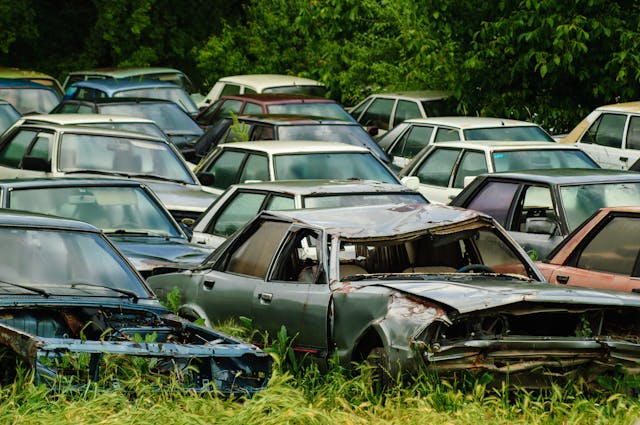
If you’re wondering why scrap a car, you’re likely trying to decide whether repairing, selling, or disposing of an old vehicle makes more sense. Scrapping a car is often the most practical option when repair costs exceed value or when the vehicle is no longer roadworthy.
A car at the end of its life still holds value through recyclable materials like steel, aluminum, copper, and catalytic components. Instead of letting it sit unused or spend money on repairs, scrapping converts it into immediate cash while ensuring environmental recycling.
Why Scrap a Car?
1. Repair Costs Are Too High
One of the most common reasons is expensive repairs.
When scrapping makes sense:
- Engine failure
- Transmission damage
- Severe accident damage
- Electrical system failure
If repair costs exceed the car’s market value, scrapping is more economical.
2. Car Is No Longer Roadworthy
A car that cannot safely pass inspection or registration is often scrapped.
Common issues:
- Structural damage
- Rusted frame
- Brake system failure
- Emission test failure
Such vehicles are unsafe or illegal to drive.
3. Accident or Total Loss Vehicle
Insurance companies often classify severely damaged cars as “write-offs.”
After an accident:
- Repair may not be cost-effective
- Insurance payout is lower than repair cost
- Scrapping becomes the best option
Even damaged cars still contain valuable metal.
4. Vehicle Is Too Old
Older vehicles naturally lose efficiency and value.
Signs:
- Frequent breakdowns
- Low fuel efficiency
- Difficulty finding spare parts
- High maintenance costs
Scrapping helps replace aging assets with newer ones.
5. Non-Running or Abandoned Car
Cars that no longer start or have been unused for years:
- Degrade over time
- Lose resale value
- Accumulate repair costs
Scrapping turns unused assets into cash.
6. You Want Quick Cash
Scrapping provides instant payment.
Benefits:
- Fast sale process
- No advertising or negotiation
- Free pickup in most cases
It’s one of the quickest ways to liquidate a vehicle.
Environmental Reasons to Scrap a Car
Scrapping is not just financial it is environmentally important.
Benefits:
- Reduces landfill waste
- Recycles steel and aluminum
- Prevents toxic fluid leakage
- Reduces mining demand
- Supports circular economy
Recycling one car saves significant energy and raw materials.
When You Should NOT Scrap a Car
Scrapping is not always the best option.
Avoid scrapping if:
- Car is in good working condition
- Repair cost is low
- Market resale value is high
- Classic or collectible vehicle
In these cases, selling may be more profitable.
Scrap vs Sell vs Repair
Scrap:
- Fastest option
- Guaranteed cash
- Lower maximum value
Sell:
- Higher potential profit
- Takes time and effort
- Requires buyer demand
Repair:
- Useful if cost is low
- Not worth it for major damage
Scrap is best for end-of-life vehicles.
How Scrapping a Car Works
Step-by-step process:
Get valuation from scrap buyers
Schedule pickup or drop-off
Remove personal items
Vehicle is collected
Payment is made
Car is dismantled and recycled
Many services offer free towing.
Where to Scrap a Car
You can scrap a car through:
- Scrap yards
- Auto wreckers
- Cash-for-cars services
- Recycling centers
- Online platforms
How to Get the Best Scrap Price
- To maximize value:
- Compare multiple buyers
Keep catalytic converter intact
Sell complete vehicle
Check daily scrap metal prices
Use licensed scrap services FAQs
- Why should I scrap my car instead of selling it?
You should scrap your car when repair costs are too high or the vehicle is no longer roadworthy or safe to drive. - Is scrapping a car profitable?
Yes, scrapping can provide cash based on metal weight and current scrap prices. - What happens after I scrap my car?
The car is dismantled, and materials like steel and copper are recycled. - Can I scrap a damaged car?
Yes, damaged, accident, or non-running cars are commonly accepted. - Do scrap yards pay for cars?
Yes, most scrap yards pay based on vehicle weight and material value. Conclusion
- Understanding why scrap a car helps you make a smart financial and practical decision. Whether due to high repair costs, accidents, or age, scrapping turns an unwanted vehicle into cash while supporting environmental recycling.