

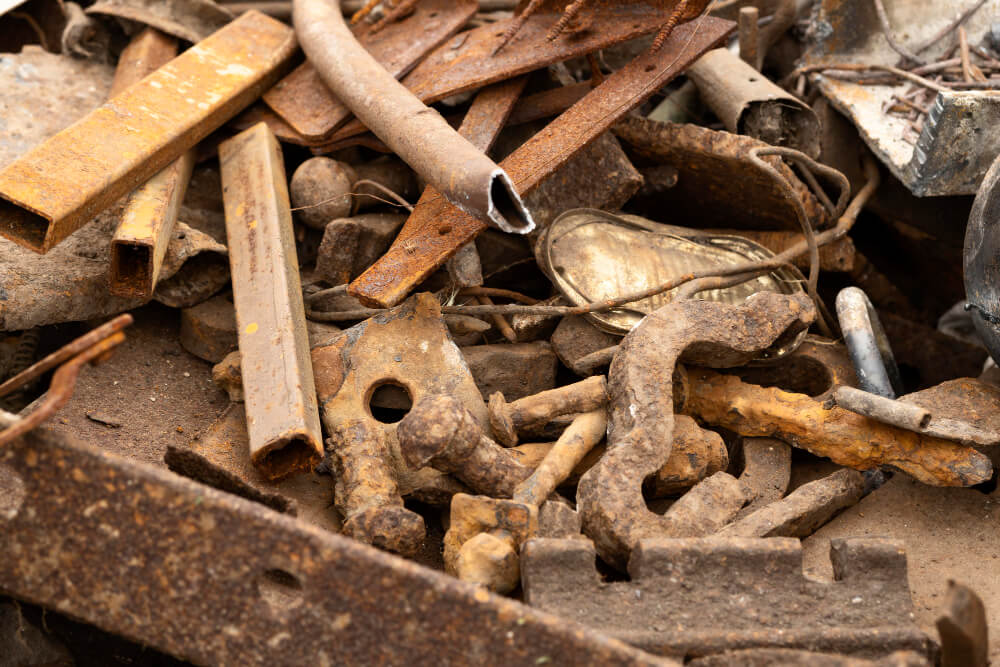
The global demand for recycled materials is rising rapidly as industries shift toward sustainability, cost efficiency, and circular economy models. Yet many buyers and suppliers still struggle with fragmented sourcing channels, inconsistent pricing, and limited access to verified international partners.
A worldwide recycled materials marketplace solves this by connecting recyclers, manufacturers, exporters, and industrial buyers on a single digital platform. It enables seamless trade of scrap metals, plastics, e-waste, and industrial byproducts across borders.
In this guide, you’ll learn how a worldwide recycled materials marketplace works, what materials are traded, pricing structures, benefits, and how businesses can use global platforms to scale procurement and improve margins.
What Is a Worldwide Recycled Materials Marketplace?
A worldwide recycled materials marketplace is an online B2B platform where recycled and scrap materials are bought and sold globally.
It connects:
- Scrap recyclers
- Industrial manufacturers
- Exporters and importers
- Commodity traders
- Waste management companies
- Recycling facilities
Unlike local scrap yards or brokers, these platforms enable real-time global trading and bulk material sourcing.
Why Global Recycled Material Trading Is Growing Fast
Rising Industrial Demand
Manufacturers increasingly depend on recycled raw materials to reduce production costs and meet sustainability goals.
Circular Economy Expansion
Governments and corporations are adopting recycling-first policies to reduce landfill dependency.
Global Price Arbitrage
Different countries offer different scrap valuations, creating trading opportunities.
Digital B2B Marketplaces
Online platforms simplify sourcing, negotiation, and logistics coordination.
Types of Materials Traded in Worldwide Recycling Marketplaces
Ferrous Scrap Materials
Ferrous metals contain iron and are widely used in industrial production.
Common examples:
- HMS (Heavy Melting Scrap)
- Shredded steel scrap
- Cast iron scrap
- Construction steel scrap
Non-Ferrous Metals
High-value recyclable metals with strong global demand.
Includes:
- Copper scrap
- Aluminium scrap
- Brass scrap
- Zinc scrap
- Lead scrap
- Nickel scrap
Plastic and Polymer Recycling
Used in manufacturing and packaging industries.
- PET plastic
- HDPE plastic
- Industrial plastic scrap
Electronic Waste (E-Waste)
Recoverable metals from electronics.
- Circuit boards
- Cable scrap
- Battery materials
Industrial Scrap Materials
- Machinery scrap
- Manufacturing waste
- Stainless steel scrap
How a Worldwide Recycled Materials Marketplace Works
Step 1: Register on a Global Platform
Start by joining platforms like Scrap Trade.
Step 2: Browse or List Materials
Users can:
- Search global scrap listings
- Upload available inventory
- Filter by material type and region
Step 3: Connect With Buyers or Suppliers
Direct communication allows negotiation and deal structuring.
Step 4: Negotiate Trade Terms
Key points include:
- Pricing per ton or kg
- Shipping conditions
- Material grading
- Payment terms
Step 5: Arrange Logistics
Platforms often assist with:
- Freight coordination
- Export documentation
- Customs clearance
Pricing Factors in Worldwide Recycling Markets
| Factor | Impact on Price |
|---|---|
| Material Type | Copper and brass command higher value |
| Purity Level | Clean scrap increases price |
| Global Demand | Market cycles influence pricing |
| Country of Origin | Shipping and export costs vary |
| Volume | Bulk trade reduces per-unit cost |
Benefits of a Worldwide Recycled Materials Marketplace
Global Buyer Access
Expand reach beyond local scrap buyers.
Better Price Discovery
Competition improves pricing transparency.
Increased Supply Chain Efficiency
Reduce sourcing delays and dependency on middlemen.
Sustainability Impact
Supports circular economy and reduces landfill waste.
Faster Transactions
Digital platforms accelerate negotiations and trade execution.
Best Platforms for Recycled Materials Trading
1. Scrap Trade
Scrap Trade is a global B2B marketplace for scrap and recycled materials trading.
2. Scrap Trade Australia
Scrap Trade Australia connects Australian recyclers with international buyers.
3. Scrap Trade Now
Scrap Trade Now enables fast scrap listing and global buyer connections.
Industries Using Worldwide Recycled Material Marketplaces
Manufacturing
Uses recycled metals for production efficiency.
Construction
Recycles steel and structural scrap materials.
Automotive
Processes vehicle scrap into reusable metals.
Electronics Industry
Extracts valuable metals from e-waste.
Waste Management Sector
Processes industrial and municipal scrap materials.
Challenges in Global Recycling Trade
Regulatory Compliance
Different countries have strict import/export rules.
Quality Control Issues
Inconsistent scrap grading affects value.
Logistics Complexity
International shipping requires coordination.
Currency Fluctuations
Exchange rates affect profit margins.
Fraud Risk
Unverified suppliers can pose risks without platform protection.
How to Choose the Right Worldwide Recycling Marketplace
Supplier Verification
Ensure platform verifies buyers and sellers.
Global Reach
More countries = better sourcing opportunities.
Platform Features
Look for:
- Trade messaging tools
- Logistics support
- Listing visibility
- Buyer protection
Transaction Volume
High activity improves liquidity and deal speed.
User Reputation
Check reviews and trade history.
FAQs
What is a worldwide recycled materials marketplace?
A worldwide recycled materials marketplace is a digital platform where recycled metals, plastics, and industrial scrap are traded globally between verified buyers and suppliers.
What materials are commonly traded globally?
Copper, aluminium, steel, brass, plastic scrap, and electronic waste are the most commonly traded recycled materials.
Why do companies use global recycling marketplaces?
They offer better pricing, wider supplier access, improved logistics, and support sustainability goals.
Is global recycled material trading safe?
Yes, when using verified platforms with secure payment systems and documented logistics processes.
How do I find international buyers for recycled materials?
You can use platforms like Scrap Trade and Scrap Trade Now to connect with global buyers.
Conclusion
A worldwide recycled materials marketplace is transforming how businesses source, trade, and recycle materials globally. It improves pricing transparency, expands supplier networks, and supports sustainable industrial practices.
If your business depends on scrap sourcing or recycled material procurement, platforms like Scrap Trade, Scrap Trade Australia, and Scrap Trade Now can help you scale globally and improve margins.