

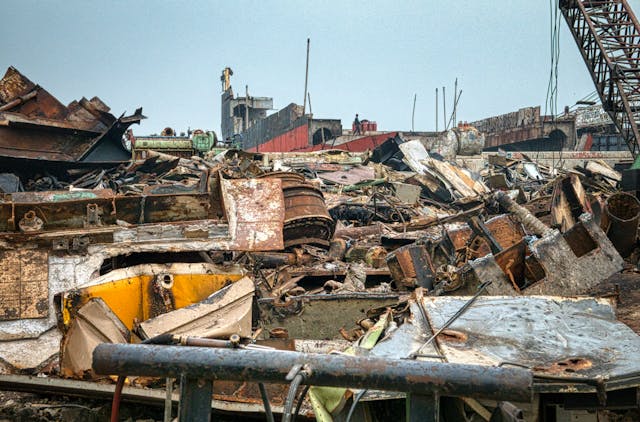
The global scrap industry has moved far beyond local recyclers and regional traders. Businesses now rely on a worldwide scrap commerce exchange to connect suppliers, buyers, exporters, and recyclers across multiple countries. Instead of depending on traditional broker networks, companies can trade scrap metal, industrial waste, and recyclable materials through digital marketplaces that simplify global transactions.
Manufacturers increasingly prefer recycled materials because they reduce production costs, lower environmental impact, and create more stable supply chains. As demand for recycled copper, aluminum, steel, brass, and electronic scrap continues growing, global scrap commerce exchanges are becoming essential for businesses that want reliable sourcing and larger buyer networks.
What Is a Worldwide Scrap Commerce Exchange?
A worldwide scrap commerce exchange is a global marketplace that connects businesses involved in scrap trading and recycling.
These platforms allow companies to:
- Buy scrap materials internationally
- Sell recyclable metals and industrial waste
- Compare pricing across regions
- Access verified buyers and suppliers
- Manage export opportunities
- Build long-term supply agreements
Unlike traditional trading methods, digital exchanges simplify communication, documentation, and sourcing.
Businesses That Use Scrap Commerce Exchanges
| Industry Type | Primary Use |
|---|---|
| Metal Recyclers | Selling processed scrap |
| Manufacturers | Sourcing recycled raw material |
| Exporters | Connecting with overseas buyers |
| Scrap Dealers | Expanding customer reach |
| Foundries | Purchasing bulk metal feedstock |
| Industrial Plants | Selling excess scrap inventory |
Global commerce exchanges reduce friction between buyers and sellers by creating centralized access to available material.
Why Worldwide Scrap Commerce Exchanges Are Growing Fast
International scrap trading continues expanding because businesses need more reliable sourcing channels.
Increased Demand for Recycled Materials
Manufacturers increasingly use recycled feedstock because it offers:
- Lower energy requirements
- Reduced mining dependency
- Sustainable sourcing
- Better carbon reduction goals
Recycled metals often require significantly less energy than virgin ore extraction.
Global Supply Chain Diversification
Companies no longer rely only on local suppliers.
Worldwide exchanges allow buyers to:
- Source globally
- Avoid regional shortages
- Improve procurement flexibility
- Reduce supply chain disruptions
Digital Transformation in Scrap Trading
Modern scrap commerce exchanges provide:
- Real-time listings
- Instant buyer inquiries
- Material grading details
- Freight coordination
- Bulk transaction handling
This creates faster deal execution compared to traditional broker-based systems.
How a Worldwide Scrap Commerce Exchange Works
Global scrap exchanges follow a structured workflow that supports both small and large transactions.
Seller Lists Scrap Material
A supplier uploads information such as:
- Scrap category
- Quantity
- Material grade
- Photos
- Export availability
- Loading location
- Certifications
Buyer Searches Inventory
Buyers filter listings based on:
- Material type
- Metal purity
- Shipping location
- Quantity
- Price range
- Trade terms
Negotiation and Trade Agreement
Both parties finalize:
- Price
- Payment terms
- Inspection conditions
- Shipping method
- Delivery timeline
Shipment and Logistics
Transactions usually include:
- Container booking
- Freight coordination
- Export documentation
- Customs processing
Delivery and Verification
Buyers confirm:
- Weight accuracy
- Material quality
- Purity level
- Compliance standards
Most Traded Materials in Global Scrap Exchanges
Different materials dominate worldwide trading markets depending on industrial demand.
Copper Scrap
Copper remains one of the highest-demand scrap materials.
Common copper scrap categories include:
- Bare bright copper wire
- Copper tubing
- Electric motor scrap
- Mixed copper scrap
Industries driving copper demand include:
- Renewable energy
- EV manufacturing
- Electronics
- Infrastructure
Aluminum Scrap
Aluminum recycling continues growing because of lightweight manufacturing demand.
Popular categories include:
- UBC aluminum cans
- Extrusion scrap
- Cast aluminum
- Wheel scrap
Steel Scrap
Steel dominates global recycling by volume.
Common steel categories include:
- HMS 1 & 2
- Shredded steel
- Plate and structural steel
- Rebar scrap
Stainless Steel Scrap
High-value stainless steel grades remain important for industrial recycling.
Common grades include:
- 304 stainless steel
- 316 stainless steel
- Turnings and cuttings
Electronic Scrap
Electronic waste contains recoverable materials such as:
- Gold
- Silver
- Copper
- Palladium
- Rare earth metals
Benefits of Using a Worldwide Scrap Commerce Exchange
Global scrap trading platforms create value for both buyers and sellers.
Benefits for Sellers
Sellers gain access to:
- International buyers
- Higher competition
- Better pricing opportunities
- Faster inventory movement
- Reduced dependence on local demand
Benefits for Buyers
Buyers benefit from:
- Larger supplier pools
- Competitive sourcing
- Bulk inventory access
- Better pricing visibility
- International procurement options
Benefits for Exporters
Exporters can:
- Expand into new markets
- Build recurring contracts
- Reduce idle inventory
- Increase trade volume
Pricing Factors in Worldwide Scrap Commerce Exchange
Scrap prices fluctuate based on multiple variables.
Key Pricing Drivers
| Factor | Impact on Scrap Prices |
| Metal Grade | Higher purity increases value |
| Global Demand | High demand raises pricing |
| Shipping Costs | Freight affects margins |
| Region | Local shortages impact pricing |
| Commodity Markets | Metal indexes influence prices |
| Quantity | Bulk loads often receive better pricing |
Example Scrap Pricing Table
| Scrap Material | Estimated Global Price Range |
| Copper Scrap | $6,000–$9,000 per ton |
| Aluminum Scrap | $1,200–$2,500 per ton |
| Steel Scrap | $300–$600 per ton |
| Brass Scrap | $4,000–$6,500 per ton |
| Stainless Steel Scrap | $1,000–$2,800 per ton |
Pricing changes frequently due to commodity market movement.
How to Sell Scrap Through a Worldwide Commerce Exchange
Selling internationally requires preparation and documentation.
Step 1: Sort Scrap Materials
Separate scrap by:
- Metal type
- Grade
- Contamination level
- Purity
Step 2: Determine Quantity
Accurate weight improves listing quality.
Step 3: Create Material Listing
Include:
- Photos
- Specifications
- Quantity
- Loading location
- Export capability
Step 4: Connect With Buyers
Respond quickly to inquiries.
Step 5: Finalize Payment Terms
Common methods include:
- Wire transfer
- Letter of credit
- Escrow agreement
Step 6: Arrange Freight
Coordinate:
- Container shipment
- Trucking
- Port delivery
Challenges in Worldwide Scrap Commerce Exchanges
International trading also introduces complexity.
Common Challenges
- Quality inconsistency
- Fraudulent buyers
- Shipping delays
- Customs restrictions
- Currency fluctuations
- Documentation errors
Risk Reduction Tips
Businesses should:
- Verify buyers and sellers
- Request material photos
- Use inspection reports
- Confirm export compliance
- Use secure payment methods
Important Features to Look for in a Scrap Commerce Exchange
Not all global scrap marketplaces operate the same way.
Key Features
| Feature | Why It Matters |
| Verified Users | Reduces fraud |
| Bulk Listings | Supports commercial trade |
| Export Support | Helps global transactions |
| Price Visibility | Improves negotiations |
| Messaging Tools | Faster communication |
| Logistics Integration | Easier shipping |
| Trade Documentation | Compliance support |
Businesses should prioritize platforms with active global trading volume.
Worldwide Scrap Commerce Exchange Trends for 2026
The industry continues evolving due to sustainability and digitization.
Growing Trends
- AI-driven buyer matching
- Real-time pricing tools
- Automated shipment tracking
- Carbon footprint reporting
- Blockchain verification
- Circular supply chains
Global demand for recycled materials continues increasing as manufacturing industries reduce environmental impact.
FAQs
What is a worldwide scrap commerce exchange?
A worldwide scrap commerce exchange is a digital platform that connects buyers and sellers of recyclable materials across countries. It simplifies sourcing, trading, and exporting scrap materials.
Which materials are most traded internationally?
Copper, aluminum, steel, brass, stainless steel, and electronic scrap are among the most traded materials because of strong industrial demand.
How do scrap exchanges help buyers?
Buyers can access larger supplier networks, compare pricing, source globally, and secure better purchasing terms.
Is global scrap trading profitable?
Yes. International trading provides larger demand pools, higher pricing opportunities, and stronger inventory movement.
How do businesses verify scrap quality?
Companies often use inspection reports, material photos, certifications, and third-party verification before shipment.
Conclusion
A worldwide scrap commerce exchange creates new opportunities for recyclers, exporters, manufacturers, and scrap dealers. By connecting buyers and sellers globally, these platforms improve access to inventory, increase trade efficiency, and create stronger recycling supply chains.
Businesses that participate in international scrap exchanges can reduce dependency on local markets, access better pricing, and build long-term procurement relationships.