

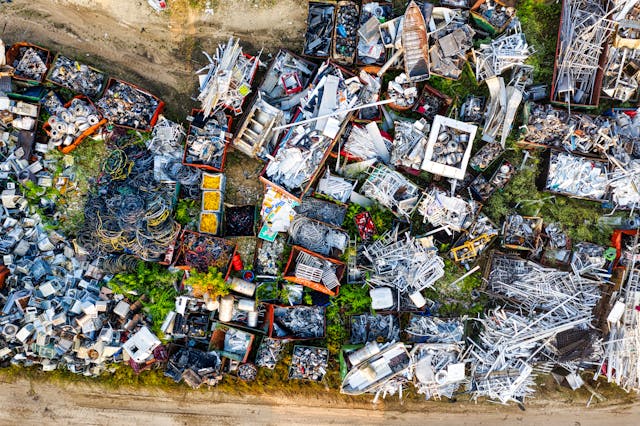
The global scrap industry relies heavily on connections between buyers, sellers, recyclers, exporters, and manufacturers. However, many businesses still depend on fragmented networks, local brokers, and outdated sourcing methods.
A worldwide scrap commerce portal solves these issues by providing a centralized digital platform where businesses can trade recyclable materials across international markets. Instead of manually searching for buyers or suppliers, companies gain access to structured listings, global demand, and verified trade opportunities.
In this guide, you’ll learn how a worldwide scrap commerce portal works, which materials are traded, pricing structures, business benefits, challenges, and how companies can scale their scrap trading operations globally.
What Is a Worldwide Scrap Commerce Portal?
A worldwide scrap commerce portal is a digital B2B marketplace designed to connect businesses involved in scrap trading and recycling.
It allows companies to:
- Buy scrap materials
- Sell recyclable inventory
- Connect with verified buyers
- Access global suppliers
- Compare pricing across regions
- Manage recurring trade relationships
Unlike traditional scrap networking, commerce portals centralize the entire trading process.
Businesses often use platforms like Scrap Trade, Scrap Trade Australia, and Scrap Trade Now to participate in global scrap commerce.
Why Scrap Commerce Portals Matter
Scrap markets are global, but many businesses remain limited by local connections.
Commerce portals help businesses:
- Expand into international markets
- Increase buyer visibility
- Improve trade efficiency
- Reduce sourcing friction
- Improve pricing transparency
- Build long-term trade partnerships
Digital portals create scalable trading ecosystems.
Types of Scrap Materials Traded
Metal Scrap
Metals dominate the global scrap trade.
Common examples include:
- Copper scrap
- Aluminum scrap
- Steel scrap
- Brass scrap
- Iron scrap
- Stainless steel
Plastic Scrap
Plastic recovery supports manufacturing industries.
Examples include:
- PET bottles
- HDPE scrap
- LDPE film waste
- PVC materials
Paper and Packaging Waste
Paper recycling supports packaging supply chains.
Examples include:
- Corrugated cardboard
- Mixed paper
- Kraft paper
- Packaging waste
Electronic Waste
E-waste contains valuable recoverable materials.
Examples include:
- Circuit boards
- Copper cables
- Electronic equipment
- Computer hardware
Industrial Scrap
Manufacturing industries generate recurring waste streams.
Examples include:
- Production scrap
- Metal offcuts
- Industrial residues
- Factory waste
How a Worldwide Scrap Commerce Portal Works
Step 1: Business Registration
Companies create profiles including:
- Company details
- Material categories
- Service areas
- Export capabilities
Step 2: Scrap Listing Creation
Businesses upload listings with:
- Scrap type
- Quantity
- Grade
- Photos
- Pricing expectations
Step 3: Buyer Discovery
Buyers search based on:
- Material category
- Region
- Pricing
- Quantity
Step 4: Negotiation and Communication
Businesses connect directly.
Step 5: Shipping and Logistics
Transactions may involve:
- Freight coordination
- Container exports
- Warehouse pickup
- Documentation support
Step 6: Payment Completion
Businesses finalize deals through:
- Trade contracts
- Bank transfer
- Marketplace payment systems
Benefits of a Worldwide Scrap Commerce Portal
Global Buyer Access
Expand reach beyond local markets.
Better Price Discovery
Compare demand across regions.
Faster Sales Cycles
Digital listings improve visibility.
Improved Inventory Movement
Reduce long-term storage.
Stronger Trade Relationships
Recurring buyers create stability.
Scrap Commerce Pricing Factors
Pricing varies depending on several conditions.
| Pricing Factor | Impact |
|---|---|
| Material grade | Higher quality improves price |
| Commodity demand | Global demand impacts pricing |
| Volume | Bulk loads attract better rates |
| Logistics cost | Freight impacts profitability |
| Buyer location | Export markets influence margins |
Example Scrap Pricing
| Scrap Material | Estimated Price Range |
| Copper scrap | $6–$10 per kg |
| Aluminum scrap | $1–$3 per kg |
| Brass scrap | $4–$7 per kg |
| Steel scrap | $150–$500 per tonne |
| Plastic scrap | $200–$700 per tonne |
Industries That Use Scrap Commerce Portals
Recycling Industry
Trades processed recyclable materials.
Manufacturing
Monetizes production waste.
Construction
Sells demolition scrap.
Automotive
Trades reusable metal components.
Exporters
Source international buyers.
Challenges in Scrap Commerce Portals
Pricing Volatility
Commodity markets change rapidly.
Material Verification
Buyers require accurate quality grading.
Logistics Costs
Heavy materials increase freight expense.
Competition
Large marketplaces may have many sellers.
How to Succeed on a Scrap Commerce Portal
Maintain Accurate Listings
Transparency improves buyer trust.
Use High-Quality Photos
Visual proof increases conversions.
Keep Inventory Updated
Active listings perform better.
Monitor Market Demand
Timing improves revenue.
Use Trusted Platforms
Reliable marketplaces such as Scrap Trade improve trade quality.
Scrap Commerce Portal vs Traditional Scrap Trading
| Feature | Scrap Commerce Portal | Traditional Scrap Trading |
| Buyer reach | Global | Local |
| Trade visibility | High | Limited |
| Pricing transparency | Strong | Weak |
| Scalability | Strong | Moderate |
| Automation | High | Low |
Future of Worldwide Scrap Commerce Portals
Digital marketplaces continue transforming global recycling.
Emerging trends include:
- AI-powered buyer matching
- Blockchain trade records
- Real-time pricing engines
- Smart logistics systems
- Automated trade workflows
Commerce portals will become essential infrastructure for global scrap trading.
FAQs
What is a worldwide scrap commerce portal?
It is a digital marketplace where businesses buy and sell recyclable materials internationally.
What materials are traded?
Metals, plastics, paper, industrial waste, and electronic scrap are commonly traded.
Are scrap commerce portals useful for exports?
Yes. Many portals support international trade and logistics.
Can scrap commerce portals improve pricing?
Yes. Global buyer access increases competition and pricing opportunities.
Who uses scrap commerce portals?
Recyclers, manufacturers, exporters, traders, and industrial suppliers commonly use these platforms.
Conclusion
A worldwide scrap commerce portal helps businesses participate in global recycling and scrap trading through centralized digital marketplaces.
It improves visibility, expands buyer access, and increases trading efficiency.
Companies that adopt scrap commerce portals gain stronger market positioning and scalable international growth.