

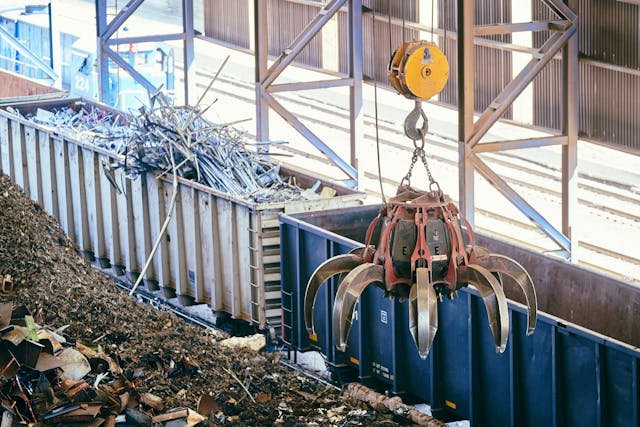
The worldwide scrap recovery exchange is transforming how industrial scrap, metal waste, and recyclable materials are traded across global markets. Instead of relying on fragmented local buyers and inconsistent pricing, businesses now access structured digital scrap trading platforms that connect sellers and recyclers worldwide.
This shift is driven by the need for transparent scrap price discovery, faster transactions, and scalable industrial recycling networks. Whether you deal in ferrous scrap, non-ferrous metals, or e-waste, understanding how a global scrap exchange works can significantly improve your margins and operational efficiency.
What is Worldwide Scrap Recovery Exchange?
The worldwide scrap recovery exchange is a digital ecosystem where scrap materials are listed, bought, and sold across international markets in real time. It connects:
- Scrap generators (industries, demolition firms, manufacturers)
- Scrap processors and recyclers
- Global scrap traders
- Commodity buyers
Unlike traditional scrap yards, this system operates like a commodity exchange for recycled materials.
Key Features of Scrap Exchange Systems
- Real-time scrap pricing updates
- Global buyer-seller matching
- Bulk industrial scrap auctions
- Logistics integration for shipping
- Quality grading and certification systems
How Global Scrap Trading Platforms Work
- Modern scrap recovery exchanges operate through structured digital workflows:
1. Scrap Listing
- Sellers upload details such as:
- Material type (steel, copper, aluminum, e-waste)
- Quantity and grade
- Location
- Expected pricing
2. Buyer Matching
- Buyers filter listings based on:
- Scrap type
- Region
- Price range
- Certification requirements
3. Bidding & Negotiation
- Many platforms support auction-style bidding for:
- Bulk industrial scrap loads
- High-grade non-ferrous metals
4. Transaction & Logistics
- Once finalized:
- Payment is secured through escrow or platform systems
- Logistics partners handle transportation
- Material is verified upon delivery
Scrap Price Discovery in Global Exchange Systems
- Scrap pricing is highly dynamic and influenced by:
- Global commodity markets (LME prices)
- Supply-demand imbalance
- Scrap quality grading
- Transportation costs
- Currency fluctuations
Example Scrap Pricing Table (Indicative)
Scrap Type Price Range (USD/ton) Market Driver Copper Scrap 6,000 – 9,000 Industrial demand Aluminum Scrap 1,500 – 2,400 Automotive sector Steel Scrap 250 – 450 Construction cycles E-waste Scrap 300 – 1,200 Tech recycling demand Benefits of Worldwide Scrap Recovery Exchange
1. Higher Profit Margins
- Direct access to global buyers eliminates middlemen.
2. Transparent Pricing
- Real-time price benchmarking reduces manipulation.
3. Scalable Supply Chains
- Ideal for industrial suppliers and bulk scrap generators.
4. Faster Sales Cycle
- Digital auctions reduce negotiation delays.
5. Global Market Access
- Sell scrap beyond local geographic limits.
FAQs: Worldwide Scrap Recovery Exchange
1. What is a worldwide scrap recovery exchange?
- It is a global digital marketplace where scrap materials are traded between sellers, recyclers, and industrial buyers. It improves pricing transparency, expands market access, and enables efficient scrap recovery across borders.
2. How are scrap prices determined globally?
- Prices depend on global commodity markets, scrap quality, demand-supply conditions, and logistics costs. Platforms often update prices in real time based on LME and regional benchmarks.
3. Which materials are traded in scrap exchanges?
- Common materials include copper, aluminum, steel, iron, e-waste, plastics, and industrial byproducts from manufacturing and demolition sectors.
4. Is scrap trading profitable online?
- Yes, online scrap exchanges increase profitability by removing intermediaries, enabling competitive bidding, and giving access to global buyers willing to pay higher rates.
5. Can small businesses use scrap exchange platforms?
- Absolutely. Many platforms are designed for both SMEs and large industrial suppliers, offering flexible listing and trading options.
Conclusion: Future of Global Scrap Recovery & Exchange
- The worldwide scrap recovery exchange is reshaping industrial recycling into a transparent, data-driven, and globalized marketplace. Businesses that adopt digital scrap trading platforms gain better pricing, faster deal cycles, and access to international demand networks.
- As global sustainability regulations tighten, scrap exchange systems will become even more essential for efficient material recovery and circular economy growth.