
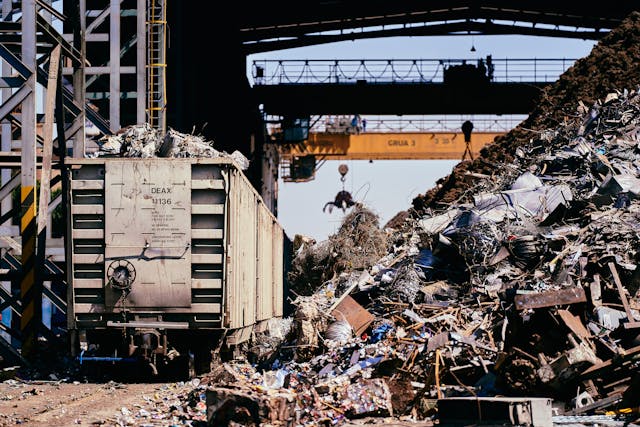
Industrial recycling has become essential for manufacturers, scrap processors, exporters, and waste management companies. Rising raw material costs, supply chain disruptions, and sustainability goals are pushing industries to rely more on recyclable materials.
However, finding reliable suppliers, recycling facilities, and buyers across multiple countries can be difficult. Businesses often struggle with inconsistent material quality, poor logistics coordination, and fragmented supplier networks.
A worldwide industrial recycling network solves these challenges by connecting recyclers, manufacturers, exporters, and industrial buyers into a global ecosystem for recyclable material sourcing and trading.
What Is a Worldwide Industrial Recycling Network?
A worldwide industrial recycling network is a global ecosystem of businesses involved in collecting, processing, trading, transporting, and reusing recyclable industrial materials.
This network includes:
- Scrap suppliers
- Recycling plants
- Manufacturers
- Waste management companies
- Exporters and importers
- Commodity traders
- Logistics providers
- Industrial buyers
The goal is to create an efficient circular economy where industrial waste becomes reusable raw material.
How Global Industrial Recycling Networks Operate
Industrial recycling networks connect multiple stages of the recycling process.
Step 1: Material Collection
Industrial recyclables come from:
- Manufacturing waste
- Construction debris
- Demolition projects
- Industrial production facilities
- Packaging waste
- Automotive industries
- Electronics manufacturers
Step 2: Sorting and Processing
Materials are separated based on:
- Metal type
- Plastic grade
- Paper quality
- Electronic component value
- Contamination level
Step 3: Industrial Recycling Facilities
Recyclers process materials into reusable raw materials.
Step 4: Global Distribution
Recycled commodities are transported to buyers worldwide.
Step 5: Manufacturing Reuse
Manufacturers integrate recycled materials into production.
Key Components of a Worldwide Industrial Recycling Network
Recycling Facilities
Industrial recycling plants convert waste into reusable materials.
Scrap Collection Companies
These companies gather recyclable materials from industrial sources.
Commodity Traders
Traders help move recyclable materials internationally.
Freight and Shipping Providers
Logistics companies transport bulk recyclable materials.
Industrial Buyers
Manufacturers purchase recycled feedstock for production.
Types of Materials Traded in Global Industrial Recycling Networks
Industrial recycling networks support multiple recyclable categories.
Metal Recycling Materials
Metals represent one of the largest global recycling sectors.
Common Industrial Metal Scrap
- Steel scrap
- Copper scrap
- Aluminum scrap
- Brass scrap
- Stainless steel scrap
- Zinc scrap
- Nickel alloys
- Iron scrap
Plastic Recycling Materials
Industrial plastics move through global recycling supply chains.
Common Plastic Categories
- HDPE scrap
- LDPE scrap
- PET plastic
- PP industrial scrap
- PVC materials
- Plastic regrind
Paper and Packaging Waste
Packaging industries depend heavily on recycled paper.
Frequently Recycled Paper Materials
- OCC cardboard
- Mixed paper
- Kraft paper
- Industrial packaging waste
- White office paper
Electronic Recycling Materials
Electronic waste contains valuable recoverable components.
Common E-Waste Materials
- Circuit boards
- Data center equipment
- Telecom scrap
- Mobile device waste
- Industrial control systems
Why Worldwide Industrial Recycling Networks Are Growing
Global industrial recycling demand continues to rise.
Key Growth Drivers
1. Raw Material Cost Reduction
Recycled materials are often cheaper than virgin materials.
2. Circular Economy Adoption
Governments support sustainable resource reuse.
3. Manufacturing Demand
Factories require large amounts of affordable materials.
4. ESG and Sustainability Targets
Companies seek lower environmental impact.
5. Global Supply Chain Diversification
Businesses reduce dependency on local suppliers.
Benefits of a Worldwide Industrial Recycling Network
Access to Global Suppliers
Businesses gain broader sourcing opportunities.
Better Material Availability
Multiple sourcing regions improve inventory access.
Lower Procurement Costs
Global competition creates better pricing.
Improved Sustainability Metrics
Recycled materials reduce environmental impact.
Stronger Supply Chain Resilience
Diversified sourcing reduces disruption risk.
Worldwide Industrial Recycling Pricing Factors
Pricing varies depending on multiple factors.
Key Pricing Variables
| Factor | Pricing Impact |
|---|---|
| Material purity | Higher quality commands premium pricing |
| Regional demand | Strong demand increases value |
| Freight cost | Shipping affects landed cost |
| Commodity market conditions | Prices fluctuate frequently |
| Volume purchased | Bulk buying lowers cost |
| Import/export restrictions | Can impact availability |
Example Industrial Recycling Pricing Table
| Material | Average Price Range |
| Copper Scrap | $5,000–$8,500 per ton |
| Aluminum Scrap | $1,500–$2,500 per ton |
| Steel Scrap | $250–$500 per ton |
| PET Plastic | $250–$650 per ton |
| OCC Paper | $80–$200 per ton |
How Businesses Join a Worldwide Industrial Recycling Network
Register on Global Recycling Platforms
Businesses can access international buyers and suppliers.
Build Supplier Relationships
Long-term sourcing relationships improve reliability.
Verify Material Specifications
Always confirm:
- Grade quality
- Material contamination
- Moisture content
- Packaging type
Work With Freight Experts
Industrial recycling shipments require logistics coordination.
Monitor Global Recycling Trends
Market tracking improves purchasing decisions.
Challenges in Global Industrial Recycling Networks
Despite growth, global recycling systems have challenges.
Logistics Complexity
Cross-border freight can delay shipments.
Quality Variability
Industrial scrap quality differs by source.
Trade Regulations
Import/export rules vary by country.
Currency Volatility
Exchange rates affect profitability.
Supplier Verification Risks
Fraud risk exists in international trade.
Best Practices for Global Industrial Recycling Success
Diversify Suppliers
Avoid relying on a single market.
Prioritize Material Quality
Clear quality specifications reduce disputes.
Build Long-Term Contracts
Stable relationships improve pricing.
Use Verified Recycling Networks
Verified marketplaces reduce transaction risk.
Monitor Market Pricing
Industrial recycling values fluctuate frequently.
Industries That Depend on Worldwide Industrial Recycling Networks
Manufacturing
Factories rely on recycled materials for production.
Automotive Industry
Vehicle manufacturing uses recycled steel and aluminum.
Construction Industry
Construction firms use recycled metal and aggregates.
Packaging Industry
Paper and plastics are recycled into packaging products.
Electronics Manufacturing
Electronic components contain recoverable materials.
Industrial Recycling Platforms Supporting Global Trade
Businesses increasingly use recycling platforms to connect globally.
Platforms like Scrap Trade support industrial recycling sourcing and trading opportunities for buyers and sellers worldwide.
Regional industrial recyclers may also explore Scrap Trade Australia for localized recycling opportunities and market access.
Businesses seeking faster recyclable material sales often leverage Scrap Trade Now to connect with active industrial recycling demand.
FAQs
What is a worldwide industrial recycling network?
A worldwide industrial recycling network is a connected system of recyclers, traders, manufacturers, and logistics providers that move recyclable materials globally.
Which industries use industrial recycling networks?
Manufacturing, automotive, construction, packaging, electronics, and waste management industries depend heavily on industrial recycling systems.
What materials move through industrial recycling networks?
Common materials include metal scrap, plastics, paper waste, e-waste, industrial packaging, and recyclable manufacturing byproducts.
Why are global recycling networks important?
They improve supply chain efficiency, reduce waste, lower procurement costs, and support circular economy goals.
How do businesses join a recycling network?
Businesses join by working with recycling marketplaces, suppliers, freight companies, and industrial buyers.
Conclusion
A worldwide industrial recycling network creates opportunities for businesses to source, trade, and reuse recyclable materials on a global scale.
As manufacturing demand grows and sustainability becomes more important, industrial recycling networks provide a reliable way to improve procurement efficiency and reduce material costs.
Companies that participate in global recycling ecosystems can access larger supplier pools, strengthen supply chain resilience, and unlock long-term growth.