

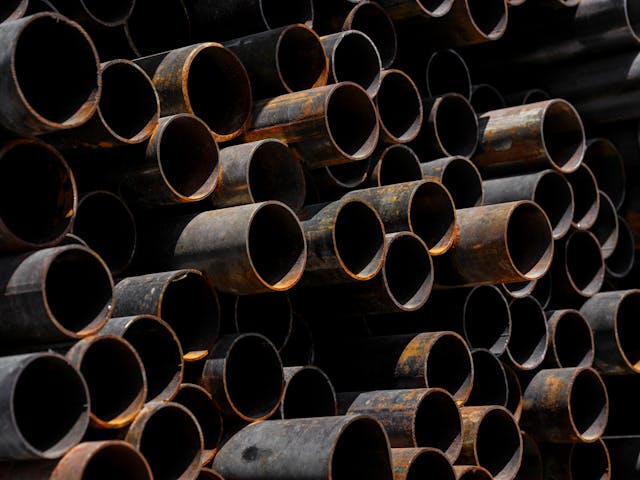
The recycling industry has become more global than ever. Businesses, manufacturers, exporters, and scrap suppliers now rely on international marketplaces to buy and sell recyclable materials across borders. However, many businesses still struggle with pricing transparency, buyer trust, material grading, logistics, and finding reliable global trading partners.
A global recyclable materials exchange solves this problem by creating a centralized marketplace where recyclables can be listed, traded, and sourced efficiently. Whether you are dealing in metal scrap, plastic waste, paper recycling, e-waste, or industrial surplus, these exchanges help connect suppliers with verified buyers worldwide.
In this guide, you will learn how a global recyclable materials exchange works, how recyclable trading platforms operate, pricing factors, material categories, international trading methods, and how businesses can scale recycling operations using digital marketplaces.
What Is a Global Recyclable Materials Exchange?
A global recyclable materials exchange is an online or offline marketplace where buyers and sellers trade recyclable commodities across local, regional, and international markets.
These exchanges function similarly to commodity marketplaces but focus specifically on recyclable and reusable materials.
A recyclable exchange platform helps businesses:
- List recyclable inventory
- Connect with buyers globally
- Compare market rates
- Source recyclable feedstock
- Reduce waste disposal costs
- Improve circular economy participation
Businesses commonly use these exchanges to trade:
- Ferrous metals
- Non-ferrous metals
- Plastic scrap
- Paper waste
- Cardboard
- E-waste
- Rubber materials
- Industrial recyclable byproducts
For businesses looking to access recyclable trading opportunities, platforms like Scrap Trade provide a centralized network for scrap buyers, sellers, and exporters.
How a Global Recyclable Materials Exchange Works
A recyclable exchange platform follows a simple trade workflow.
| Step | Process | Purpose |
|---|---|---|
| 1 | Seller uploads material listing | Makes inventory visible to buyers |
| 2 | Buyer searches recyclable category | Matches supply with demand |
| 3 | Pricing negotiation begins | Determines trade value |
| 4 | Material inspection or grading | Confirms quality |
| 5 | Logistics arranged | Moves material internationally |
| 6 | Payment settlement | Completes transaction |
Most recyclable exchanges include:
- Material specifications
- Quantity details
- Photos and inspection reports
- Location-based inventory
- Price negotiation systems
- Supplier verification
- Freight support
Global exchanges reduce dependency on local brokers by allowing direct international trade.
Types of Recyclable Materials Traded Globally
Metal Scrap Exchange
Metal remains one of the largest recyclable commodity categories.
Commonly traded materials include:
- Aluminum scrap
- Copper wire scrap
- Stainless steel scrap
- HMS 1 & 2 scrap
- Brass scrap
- Zinc scrap
- Nickel scrap
- Lead scrap
Metal recycling marketplaces typically offer higher liquidity due to global demand.
For businesses sourcing industrial scrap metal globally, Scrap Trade Now helps connect recyclers with verified suppliers.
Plastic Scrap Exchange
Plastic recycling exchanges connect waste processors and manufacturers.
Popular recyclable plastics include:
- PET bottles
- HDPE regrind
- LDPE film scrap
- PP woven bags
- PVC waste
- ABS plastic scrap
Plastic scrap marketplaces often categorize materials by:
- Color
- Contamination level
- Resin grade
- Bale density
- Moisture content
Paper Recycling Marketplace
Paper recycling exchanges support industries needing pulp feedstock.
Common categories:
- OCC cardboard
- Mixed paper
- White office paper
- Newspaper waste
- Corrugated cartons
- Kraft paper scrap
Paper exchanges usually trade in bulk tonnage.
Electronic Waste Exchange
E-waste recycling marketplaces help recover valuable materials.
Examples:
- Printed circuit boards
- Computer scrap
- Mobile device waste
- Server hardware
- Industrial electronics
- Lithium batteries
E-waste often commands premium pricing because of precious metal recovery.
Benefits of a Global Recyclable Materials Exchange
Wider Buyer Network
Local recycling markets limit pricing potential. A global exchange expands buyer access internationally.
Benefits include:
- Better competition
- Increased bids
- Higher material demand
- Faster inventory movement
Transparent Pricing
Global marketplaces provide better pricing visibility.
Instead of relying on a single local dealer, businesses can compare multiple offers.
Reduced Waste Management Costs
Unused industrial materials can become revenue sources.
Companies avoid landfill disposal fees while monetizing recyclable inventory.
Faster Inventory Liquidation
Exchanges create faster buyer matching.
Materials that may remain unsold locally often find buyers internationally.
Better Circular Economy Integration
A recyclable exchange supports sustainability goals by ensuring waste becomes reusable raw material.
Global Recyclable Materials Exchange Pricing Factors
Recyclable material pricing depends on several variables.
| Pricing Factor | Impact on Value |
| Material Type | Higher-value metals generate premium pricing |
| Purity Level | Cleaner materials sell higher |
| Quantity | Bulk volume attracts better rates |
| Global Demand | Market shortages increase price |
| Shipping Costs | Freight affects margins |
| Contamination | Reduces buyer interest |
| Region | Local demand impacts trade |
Example Pricing Range
| Material | Average Global Price Range |
| Copper Scrap | $6,000–$9,000 per metric ton |
| Aluminum Scrap | $1,200–$2,500 per metric ton |
| PET Plastic Scrap | $250–$600 per ton |
| OCC Cardboard | $70–$180 per ton |
| Stainless Steel Scrap | $1,000–$2,500 per ton |
Pricing fluctuates based on commodity demand.
For pricing insights and global scrap market access, businesses can explore Scrap Trade Australia for regional trade opportunities.
How to Sell on a Global Recyclable Materials Exchange
Step 1: Identify Material Category
Separate recyclable materials into standardized grades.
Examples:
- Clean copper
- Mixed plastics
- Ferrous scrap
- Electronic waste
Step 2: Prepare Material Information
Buyers require clear listing details.
Include:
- Weight or tonnage
- Material grade
- Photos
- Bale condition
- Contamination level
- Packaging method
Step 3: List on Recycling Marketplace
Upload listings to verified recyclable trading platforms.
Include SEO-focused keywords inside listings such as:
- Copper scrap for export
- Bulk recyclable plastic supplier
- Industrial recyclable material seller
- Scrap metal wholesale inventory
Step 4: Negotiate Price
Buyers typically negotiate based on:
- Quantity
- Delivery terms
- Inspection results
- Freight responsibilities
Step 5: Arrange Logistics
International recyclable trade requires freight coordination.
Common shipping methods:
- Container shipping
- Bulk vessel freight
- Truck transport
- Rail movement
Step 6: Complete Documentation
Export paperwork may include:
- Commercial invoice
- Packing list
- Material certificate
- Bill of lading
- Import/export permits
Key Features to Look for in a Recyclable Materials Exchange
Choosing the right platform matters.
Important features include:
Verified Buyer and Seller Profiles
Verification reduces fraud risk.
Material Search Filters
Platforms should allow searching by:
- Material type
- Region
- Quantity
- Grade
- Pricing
Logistics Support
Shipping assistance improves trade completion.
Real-Time Listings
Updated listings improve market accuracy.
Secure Communication
Messaging tools help negotiate deals safely.
Market Pricing Data
Historical pricing supports better negotiation.
Challenges in Global Recyclable Trading
Material Quality Inconsistency
Different regions use different grading systems.
Freight Cost Volatility
Shipping rates can fluctuate rapidly.
Regulatory Restrictions
Countries may limit recyclable imports.
Payment Risk
International transactions require secure payment terms.
Documentation Complexity
Trade compliance can vary between regions.
Best Practices for Using a Global Recyclable Materials Exchange
To maximize profits and reduce trade risk:
- Always upload accurate material descriptions
- Use detailed images
- Verify buyers before transactions
- Compare multiple offers
- Monitor commodity pricing trends
- Start with smaller transactions for new buyers
- Understand import/export compliance
Businesses that consistently provide quality inventory often receive repeat orders.
Global Recyclable Materials Exchange vs Local Scrap Dealers
| Feature | Global Exchange | Local Dealer |
| Buyer Access | International | Local |
| Pricing Competition | High | Limited |
| Material Exposure | Global | Regional |
| Volume Capability | Large | Moderate |
| Transparency | Higher | Lower |
| Logistics Support | Often Included | Limited |
A global exchange generally offers better long-term growth opportunities.
FAQs
What is a global recyclable materials exchange?
A global recyclable materials exchange is a marketplace that connects buyers and sellers of recyclable commodities internationally. Businesses use these platforms to trade scrap metal, plastics, paper waste, e-waste, and industrial recyclable materials.
How do recyclable marketplaces work?
Recyclable marketplaces allow suppliers to list materials while buyers search for inventory based on quantity, grade, and location. Transactions typically involve pricing negotiation, quality verification, shipping, and payment processing.
Which recyclable materials are traded the most globally?
The most traded recyclable materials include copper scrap, aluminum scrap, stainless steel, OCC cardboard, PET plastic, electronic waste, and industrial byproducts.
How are recyclable materials priced?
Pricing depends on material quality, purity, contamination level, market demand, quantity, shipping cost, and commodity trends.
Is it safe to trade recyclables internationally?
Yes, if businesses use verified platforms, inspect buyers, secure contracts, and follow international trade compliance requirements.
Conclusion
A global recyclable materials exchange helps businesses move beyond local scrap markets and access worldwide buyers and suppliers. These platforms improve pricing transparency, reduce waste costs, and create scalable trade opportunities for recyclers, exporters, and industrial manufacturers.
Whether you trade metal scrap, plastics, paper, or e-waste, global exchanges make it easier to reach qualified buyers and build long-term recycling partnerships.