

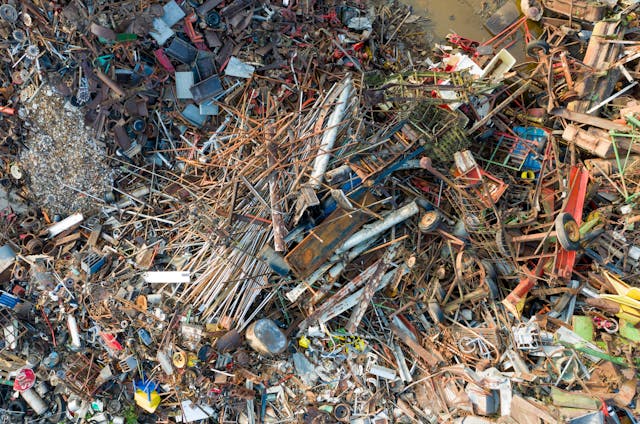
The scrap trading industry has become increasingly global, but many businesses still struggle with fragmented buyer networks, pricing uncertainty, and inefficient transaction management. Traditional trading methods often depend on brokers, manual negotiations, and local contacts, which can slow growth and limit profitability.
A global scrap transaction marketplace solves these issues by providing a centralized platform where buyers and sellers can complete scrap deals digitally. Businesses gain access to verified trading partners, transparent pricing, secure communication, and streamlined transaction workflows.
In this guide, you’ll learn how a global scrap transaction marketplace works, what materials are traded, pricing structures, benefits, challenges, and how businesses can improve international scrap trade efficiency.
What Is a Global Scrap Transaction Marketplace?
A global scrap transaction marketplace is a digital B2B platform where scrap buyers and sellers complete trading transactions.
Unlike simple listing directories, transaction marketplaces support the entire trading process.
These marketplaces allow businesses to:
- List recyclable materials
- Connect with verified buyers
- Negotiate pricing
- Manage transactions
- Coordinate logistics
- Complete secure payments
The platform acts as a trading environment that supports end-to-end commerce.
Businesses often use platforms like Scrap Trade, Scrap Trade Australia, and Scrap Trade Now to facilitate international scrap transactions.
Why Scrap Transaction Marketplaces Matter
International scrap trading requires trust and efficiency.
Transaction marketplaces help businesses:
- Reduce buyer acquisition time
- Improve trade transparency
- Increase global market access
- Simplify payment handling
- Improve pricing discovery
- Reduce transaction risk
Digital transaction systems create scalable trade opportunities.
Types of Scrap Materials Traded
Metal Scrap
Metals dominate global scrap trading.
Common materials include:
- Copper scrap
- Aluminum scrap
- Steel scrap
- Brass scrap
- Iron scrap
- Stainless steel
Plastic Scrap
Plastic recovery supports manufacturing supply chains.
Examples include:
- PET scrap
- HDPE materials
- LDPE film waste
- PVC scrap
Paper and Cardboard
Paper recycling supports packaging industries.
Examples include:
- Corrugated cardboard
- Mixed paper
- Kraft paper
- Packaging waste
Electronic Waste
Electronic scrap contains recoverable metals.
Examples include:
- Circuit boards
- Copper cables
- Electronic components
- Industrial electronics
Industrial Scrap
Manufacturing industries generate reusable materials.
Examples include:
- Metal offcuts
- Production waste
- Factory scrap
- Industrial residues
How a Global Scrap Transaction Marketplace Works
Step 1: Business Registration
Companies create verified business profiles.
Step 2: Scrap Listing Upload
Sellers provide:
- Material type
- Quantity
- Grade
- Photos
- Pricing expectations
Step 3: Buyer Discovery
Buyers search for available inventory.
Step 4: Negotiation
Businesses negotiate:
- Pricing
- Quantity
- Delivery terms
- Payment conditions
Step 5: Transaction Management
The marketplace tracks deal progress.
Step 6: Logistics and Delivery
Shipping may include:
- Freight coordination
- Export handling
- Container shipping
- Pickup scheduling
Step 7: Payment Completion
Businesses finalize deals through secure systems.
Benefits of a Global Scrap Transaction Marketplace
Improved Trade Visibility
Access global buyers and sellers.
Faster Transaction Speed
Digital workflows reduce delays.
Secure Payment Processes
Reduce payment risk.
Better Pricing Transparency
Compare offers from multiple markets.
Improved Inventory Turnover
Move scrap inventory faster.
Scrap Transaction Pricing Factors
Pricing depends on multiple variables.
| Pricing Factor | Impact |
|---|---|
| Material quality | Higher quality improves pricing |
| Commodity market | Demand impacts value |
| Quantity | Bulk loads increase profitability |
| Buyer location | Freight affects margin |
| Supply-demand balance | Market trends influence price |
Example Scrap Pricing
| Scrap Material | Estimated Price Range |
| Copper scrap | $6–$10 per kg |
| Aluminum scrap | $1–$3 per kg |
| Steel scrap | $150–$500 per tonne |
| Brass scrap | $4–$7 per kg |
| Plastic scrap | $200–$700 per tonne |
Industries Using Scrap Transaction Marketplaces
Recycling Companies
Trade processed materials.
Manufacturing Businesses
Sell production waste.
Construction Industry
Trade demolition scrap.
Automotive Sector
Recycle reusable components.
Exporters
Connect with international buyers.
Common Challenges in Scrap Transaction Marketplaces
Material Verification
Buyers need accurate grading.
Commodity Price Fluctuation
Market prices change frequently.
Logistics Complexity
Heavy materials increase shipping costs.
Competition
Large marketplaces may have many sellers.
How to Succeed in a Scrap Transaction Marketplace
Use Accurate Listings
Detailed data improves trust.
Upload Quality Photos
Visual transparency increases conversions.
Maintain Inventory Consistency
Reliable supply attracts buyers.
Monitor Market Conditions
Sell when pricing is favorable.
Use Trusted Platforms
Reliable marketplaces such as Scrap Trade improve business credibility.
Scrap Transaction Marketplace vs Traditional Scrap Trading
| Feature | Transaction Marketplace | Traditional Trading |
| Transaction speed | Fast | Slower |
| Buyer reach | Global | Local |
| Payment systems | Secure | Variable |
| Pricing transparency | High | Limited |
| Automation | Strong | Low |
Future of Global Scrap Transaction Marketplaces
Digital trade infrastructure continues evolving.
Emerging innovations include:
- AI-powered pricing suggestions
- Blockchain transaction records
- Automated contract systems
- Real-time demand analytics
- Smart logistics matching
Scrap transaction marketplaces will continue improving global trade efficiency.
FAQs
What is a global scrap transaction marketplace?
It is a digital platform where businesses complete scrap buying and selling transactions internationally.
What materials are commonly traded?
Metals, plastics, paper, industrial scrap, and electronic waste are commonly traded.
Are transaction marketplaces secure?
Yes. Many platforms support verified businesses and secure payment workflows.
Can these marketplaces support exports?
Yes. Global transaction marketplaces often support international logistics.
Why are transaction marketplaces better than manual trading?
They improve efficiency, increase transparency, and simplify deal management.
Conclusion
A global scrap transaction marketplace provides businesses with a streamlined way to buy and sell recyclable materials internationally.
It improves trade visibility, reduces friction, and increases global market access.
Companies that adopt transaction marketplaces gain stronger operational efficiency and better revenue opportunities.