

The Scrap Metal Recycling Sector in New Zealand: Regulatory Compliance, Market Valuation, and Operational Logistics
Regulatory Frameworks and Legislative Mandates
The commercial acquisition, processing, and exportation of scrap metal in New Zealand is a highly regulated industry. The sector is governed by structured legislative frameworks designed to minimize property crime, ensure transactional transparency, and maintain public safety. The primary statute regulating these commercial activities is the Secondhand Dealers and Pawnbrokers Act 2004, administered directly by the Ministry of Justice. Under this Act, all scrap metal dealers must hold a valid license issued by the Licensing Authority to engage in business.
The Secondhand Dealers and Pawnbrokers Act 2004
The legislation establishes a strict legal threshold for what constitutes "being in business" as a scrap metal dealer. Any individual or company that buys secondhand articles or scrap metal for trade on six or more different days within a 12-month period is presumed to be in business. The same presumption applies if an entity sells, exchanges, or deals in such materials on six or more different days, or receives revenue of $2,000 or more from these activities within a 12-month period. Operating as a secondhand dealer without a license is a serious offense, carrying prosecutable fines of up to $20,000.
For every acquisition of scrap metal, licensed dealers are legally mandated to maintain a detailed "dealer's record". This record must be entered as soon as the information becomes available, stored at the dealer's principal place of business, and retained for a minimum of three years from the transaction date.
| Required Transaction Detail | Statutory Compliance Mandate | Legal Reference |
|---|---|---|
| Seller Identification | Full name, contact address, contact phone number, date of birth, and physical signature. | |
| Identity Verification Method | Detailed record of how identity was verified (e.g., sighting photo ID or via personal knowledge). | |
| Material Description | Comprehensive description of the scrap metal's physical nature and exact weight/quantity. | |
| Transaction Date | The precise date and time the passing of possession occurred. | |
| Dealer Representative | Name and signature of the specific staff member who conducted the transaction on behalf of the licensee. |
Failure to keep a dealer's record, omitting required information, or failing to retain records for the three-year statutory period carries a maximum fine of $10,000 upon conviction. Licensed dealers must also grant New Zealand Police immediate access to inspect these records. Failure to produce the dealer's record when requested by a Police officer is a separate offense carrying a fine of up to $10,000.
Licensing Criteria and Administrative Exemptions
The process of obtaining a license under the Secondhand Dealers and Pawnbrokers Regulations 2005 involves strict personal and commercial vetting. Individual applicants must submit recent, standardized photographs with their application. These photos must provide a full-front view of the applicant’s face, head, and shoulders, taken without hats, headbands, or other head coverings, and must measure exactly 40 mm in width and 50 mm in height.
The regulatory framework exempts certain activities and entities from the licensing requirements of secondhand dealers :
- Local Authorities: A local authority is explicitly defined as not being engaged in business as a secondhand dealer.
- Retail Trade-Ins: Individuals or businesses acquiring secondhand whiteware as a trade-in when selling new whiteware are exempt.
- Firearms Dealers: Licensed firearms dealers operating within the scope of their firearms licenses are not classified as secondhand dealers.
- Licensed Auctioneers: Auctioneers selling secondhand articles or scrap metal under the Auctioneers Act 1928 are excluded from standard licensing provisions.
Record-keeping exemptions are also carved out for specific transactions. For instance, dealers are exempt from certain record-keeping and identity verification requirements if an article is acquired free of charge. If an article is purchased from a registered retail outlet, the dealer's record must simply document the name and position of the retail employee, the physical address of the retail outlet, and the outlet's license number if one is displayed.
Legal Separation of Copper as a Regulated "Article"
A critical compliance detail in the New Zealand recycling sector is the legal separation of copper from general scrap metal. Under the Secondhand Dealers and Pawnbrokers Act 2004, copper in any form is not classified as scrap metal. Instead, it is legally classified as an "article". This regulatory distinction was established to combat the high rate of copper theft from public infrastructure, construction sites, and utilities.
The 14-Day Physical Holding Period
Classifying copper as an article subjects it to much stricter physical holding and processing regulations than other metals. When a dealer acquires copper, they must keep the material in an entirely unaltered state for 14 days from the transaction date. During this holding period, the copper must be stored in a physical location that is reasonably and conveniently accessible for inspection by the Police.
Dealers are also required to attach a physical label to the acquired copper. This label must bear the unique tracking number assigned to the transaction in the dealer's record and must remain attached until the copper is sold or otherwise disposed of. Failing to comply with these 14-day retention, storage, or labeling rules is an offense that carries a fine of up to $10,000.
However, the Act provides specific exceptions where the 14-day physical holding period does not apply :
- Licensed Transfers: The hold is waived if the copper is acquired directly from another licensed secondhand dealer.
- Returned Materials: The dealer does not have to hold the copper if it is returned directly to the person from whom it was acquired.
- Agent Transactions: The hold is waived if the dealer sells the copper as an agent for the owner, provided the purchaser’s identity and contact details (name, date of birth, address, phone number, and signature) are verified and logged in the dealer's record.
Record Keeping and Group Acquisition Exemptions
The dealer's record for copper must include several details beyond those required for standard scrap metal. It must record any serial numbers or other unique identifiers, the exact purchase price paid, and the unique tracking number assigned to the item. For any copper item with an apparent resale value of more than $40, the record must also include the exact date of its eventual sale or a detailed account of how and when it was otherwise disposed of.
Special rules govern copper acquired as part of a larger, mixed group of articles (such as a box of mixed scrap). Generally, a dealer does not need to record or label every item in a group individually. However, a copper item within a group must be separated and treated individually if its apparent resale value exceeds $40, or if it has a unique serial number. Once these high-value or serialized items are separated and recorded, the remaining lower-value copper items in the group can be treated as a single article, exempting the dealer from individually labeling or recording the disposal of each item.
Transactional Protocols and Financial Compliance
The New Zealand Cash Environment vs. International Bans
There is a common misconception that cash payments for scrap metal are banned in New Zealand, often caused by confusing domestic laws with international regulations. In jurisdictions like Victoria (Australia) under laws introduced in 2018, and the United Kingdom under the Scrap Metal Dealers Act 2013, cash payments for scrap metal are strictly illegal, requiring all transactions to be completed via electronic transfer or crossed cheque.
In New Zealand, cash payments for general scrap metal transactions remain legal. Major nationwide recyclers, such as Sims Metal, actively maintain cash payouts as a core service for walk-in residential sellers and trade customers. This dual-track environment allows smaller operators and DIY homeowners to deliver scrap and receive physical currency on-site, provided they supply valid government-issued photo identification to satisfy the Secondhand Dealers Act.
AML/CFT Constraints and Digital Payout Mechanisms
While cash is permitted for low-to-medium-value scrap metal transactions, high-value commercial transactions must comply with the Anti-Money Laundering and Countering Financing of Terrorism (AML/CFT) Act 2009. Under amendments introduced by the Criminal Activity Intervention Legislation Act 2023, cash transactions of $10,000 or more are prohibited for specified high-value goods. This cash prohibition directly applies to precious metals (including gold, silver, or platinum), motor vehicles, and vessels. This legal restriction prevents anonymous, high-value physical cash exchanges, requiring commercial operators to utilize traceable digital or bank-mediated payment channels.
Consequently, New Zealand's recycling sector has developed several secure, rapid digital payment mechanisms :
- Direct Bank Transfer: Recyclers establish commercial accounts for trade clients, transferring funds directly to verified bank accounts after weighbridge processing.
- On-the-Spot Mobile App Payouts: In major urban centers like Auckland, operators like Sims Metal offer real-time mobile bank transfers. Using secure banking applications (such as the ASB Mobile App), staff can execute instant fund transfers directly to a customer's account before they leave the yard.
- Cash Cheques: For customers who prefer not to use direct bank deposits, yards can issue physical cash cheques as a secure, traceable alternative.
Pricing Mechanics and Spatial Valuation Variances
Global Macroeconomic Influences and Yard Pricing
Scrap metal is a commodity traded on international markets, meaning local New Zealand prices fluctuate daily based on global economic conditions. The primary pricing baseline is set by international commodity exchanges, specifically the London Metal Exchange (LME). Because LME rates are denominated in foreign currencies, the prevailing exchange rate between the New Zealand Dollar and the United States Dollar (NZD/USD) heavily influences the daily prices paid by local yards. A strengthening New Zealand Dollar typically lowers domestic scrap payouts, while a weakening NZD increases them.
In addition to currency markets, shipping and freight logistics costs play a critical role in local scrap valuations. New Zealand is geographically isolated and relies on exporting processed scrap to overseas smelting facilities. When global shipping container rates or bulk freight costs increase, local recyclers must adjust their local purchase prices downward to offset these transport margins.
Commercial Pricing Divergence: Onehunga and Wairau
This reliance on transport and processing logistics leads to regional pricing differences, even within the same metropolitan area. For example, Endless Metals publishes separate weekly pricing lists for its Onehunga and Wairau (North Shore) yards in Auckland. The Onehunga yard is located close to primary industrial transport corridors and export ports, reducing its downstream logistics costs. Conversely, the Wairau yard must account for the additional freight costs of moving consolidated scrap across the city for export. This results in Wairau offering lower payout rates.
The table below illustrates this regional pricing gap in the Auckland market, using verified weekly pricing data (including GST):
| Metal Category and Grade | Onehunga Yard Price (Per kg) | Wairau Yard Price (Per kg) | Spatial Pricing Variance (Per kg) | Industry Application and Characteristics |
|---|---|---|---|---|
| Copper Bright & Shiny | $18.00 | $16.80 | $1.20 | Stripped, unalloyed electrical wire and conductors. |
| Copper #1 | $17.70 | $16.50 | $1.20 | Clean, unalloyed copper pipes and heavy wire. |
| Copper #2 | $16.70 | $15.50 | $1.20 | Oxydized or dirty copper tubing, light burnt wire. |
| Copper Domestic | $15.40 | $14.50 | $0.90 | General mixed residential plumbing scrap. |
| Brass (Clean) | $11.50 | $7.80 | $3.70 | Yellow brass taps, valves, and plumbing fixtures. |
| Gunmetal | $11.60 | $8.20 | $3.40 | High-copper bronze alloy, machinery bushings. |
| Aluminium Extrusion | $4.10 | $3.00 | $1.10 | Clean structural window and door frame profiles. |
| Aluminium Mag Wheels | $3.80 | $3.10 | $0.70 | Clean vehicle wheel rims (no lead weights/valves). |
| Aluminium Cans | $2.49 | $1.85 | $0.64 | Clean post-consumer beverage cans (UBC). |
| Stainless Steel 316 | $2.70 | $2.10 | $0.60 | Marine-grade stainless steel containing molybdenum. |
| Stainless Steel 304 | $1.40 | $1.15 | $0.25 | Standard commercial kitchen and food-grade scrap. |
| Lead (Clean Sheet) | $2.10 | $1.65 | $0.45 | Soft roofing flashings and physical shielding. |
| Heavy Steel Insize | $0.25 | $0.16 | $0.09 | Thick structural steel plates, beams, and channels. |
| Light Gauge 1 (Clean) | $0.18 | $0.15 | $0.03 | Roofing iron, light metal framing, sheet metal. |
| Light Gauge 2 (Dirty) | $0.10 | Free Drop-Off | $0.10 | General uncleaned whiteware and steel appliances. |
While some yards publish pricing lists to manage customer expectations, these rates are indicative guides. Final transaction values are confirmed on-site at the weighbridge. Trained operators use calibrated scales to determine the exact weight and assess the quality, purity, and separation of the load.
Operational Safety, Waste Screening, and Environmental Controls
Screening of Prohibited and Conditionally Accepted Materials
To comply with environmental laws and protect workers, New Zealand scrap yards enforce strict rules regarding what materials they will accept. Mixed waste, hazardous chemicals, and unseparated materials pose serious safety risks, including fires and chemical exposure.
The following table outlines the compliance and acceptance status of key materials across New Zealand recycling facilities:
| Material Type | Acceptance Status | Required Compliance Criteria and Operational Notes | Reference |
|---|---|---|---|
| Ferrous Scrap | Fully Accepted | Structural steel, heavy machinery, cast iron, roofing iron, and light sheet metal. | |
| Non-Ferrous Scrap | Fully Accepted | High-value materials including copper, brass, aluminium, and stainless steel. | |
| Lead-Acid Batteries | Fully Accepted | Used automotive and marine batteries (ULAB). These are the only corrosive materials accepted under strict environmental protocols. | |
| Rechargeable Batteries | Prohibited | Lithium-ion, Nickel-Cadmium, and Nickel-Metal Hydride batteries are banned due to fire risks in stockpiles. | |
| Gas Bottles & Cylinders | Conditionally Accepted | LPG, oxygen, and acetylene cylinders are banned unless the valve stem has been removed to verify they are completely empty. | |
| Refrigerants & CFC Devices | Conditionally Accepted | Fridges, freezers, and air conditioners must be fully degassed by a certified technician to prevent ozone-depleting emissions. | |
| Industrial Drums & Tanks | Conditionally Accepted | Must be open-topped or crushed flat with large inspection holes to verify they are free of sludge, fuel residues, or explosive vapors. | |
| Asbestos & Contaminants | Prohibited | Asbestos or asbestos-containing materials (ACM) are banned under all circumstances due to inhalation hazards. | |
| Explosives & Ordnance | Prohibited | Munitions, shell casings, projectiles, fireworks, or suspect military scrap are strictly rejected. | |
| Toxic and Chemical Waste | Prohibited | Pesticides, herbicides, poisons, mercury-containing switches, and biohazardous medical waste are banned. |
Hazardous Waste Management and Radiation Monitoring
Managing hazardous waste is a major operational focus for scrap yards. The ban on lithium-ion and other rechargeable batteries is strictly enforced. In a busy yard, heavy machinery can easily crush these batteries, causing thermal runaway. These battery fires spread quickly through scrap piles, release toxic smoke, and are extremely difficult to extinguish.
Similarly, scrap yards must manage risks from pressurized containers and leftover fuel in scrap vehicles (End-of-Life Vehicles). Yard operators inspect incoming loads, check the boots of baled cars, and open drums to isolate flammable or pressurized materials before they are processed.
Radioactive materials also present a rare but severe contamination risk. Radioactive sources from retired industrial gauges, medical equipment, or naturally occurring radioactive materials (NORM) in industrial pipes can accidentally enter the recycling stream. If melted down, these sources can contaminate entire production batches and recycling facilities.
To prevent this, New Zealand recycling yards use stationary portal monitors at their entrances to screen incoming vehicles. If radioactive material is detected, the yard initiates a strict isolation protocol:
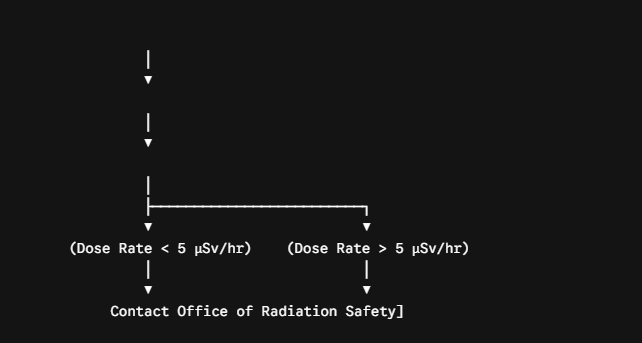
This screening protocol ensures that any radioactive sources are detected and isolated before they can contaminate processing machinery or personnel.
Specialized Automotive Resource Recovery
Vehicle Deregistration and Ownership Protocols
Recycling end-of-life vehicles involves specific legal and environmental protocols. To scrap a car in New Zealand, the owner must first deregister the vehicle. This is completed at Post Shops or VTNZ offices by submitting the physical registration plates and paying any outstanding fees.
When a vehicle is delivered to a scrap yard, the buyer must verify ownership by inspecting the vehicle title or registration documents. Recyclers perform digital checks to ensure the vehicle is not reported stolen.
Yards also require that all hazardous fluids are removed before the vehicle is crushed :
- Fluid Extraction: Fuel, engine oil, transmission fluid, brake fluid, and engine coolant must be drained and stored in compliant containers.
- Component Removal: Car batteries, lead wheel weights, and air bags must be removed.
- LPG Tanks: Any LPG fuel tanks must be removed.
- Tire Disposal: Tires must be removed from the wheel rims, and yards typically charge a disposal fee for tires left with the vehicle.
Catalytic Converter Value Optimization
Catalytic converters are highly valuable automotive components containing precious metals, specifically platinum, palladium, and rhodium. Because of their high value, they are a frequent target for theft, and yards enforce strict compliance checks when purchasing them :
- Proof of Ownership: Reputable recyclers require proof of ownership, such as the vehicle registration or mechanical repair records, to verify the converter was legally obtained.
- Serial Number Identification: Recyclers use the manufacturer's serial number, stamped on the outer shell or heat shield, to identify the exact make and model of the converter. This number is used to look up the precise precious metal loading of the unit to determine its purchase value.
- Physical Grading: Converters are graded on arrival based on the volume of precious metals they contain:
- Full Cat: An intact converter with all internal core material (biscuit) present.
- Half Cat: A partial converter section containing roughly half of the core material.
- Quarter Cat: A smaller portion containing a fraction of the core material.
- Protecting the Ceramic Core: To receive the highest price, the internal ceramic core must remain intact, dry, and inside its steel casing. If the core gets wet, the valuable precious metal coating can wash away, significantly reducing its value.
Corporate Consolidation and the Competitive Landscape
Industry Consolidation and National Operations
The New Zealand metal recycling market has shifted toward consolidation, with large, well-capitalized companies operating nationwide networks :
- Sims Metal: Operating nine branches across the North and South Islands (including Auckland, Hamilton, Napier, Wellington, Nelson, Christchurch, Dunedin, and Invercargill), Sims Metal is a major national player. The company provides residential drop-offs, commercial bin collections (ranging from 200L drums to 30m³ hook bins), and mobile cranes for heavy industrial demolition. Following temporary downtime, its major Auckland facilities recently reopened.
Phoenix Recycling Group: Established in 2013, Phoenix is New Zealand's largest privately held metal recycler. The company has grown rapidly through acquisitions, buying several regional businesses in 2022:
- Otago Metal Industries and Palmers Scrap Metal (July 2022, established 1973)
- Timaru Metal Recyclers (September 2022, established 1999)
- Metal Salvage on Auckland’s North Shore (October 2022, established 1972)
- Taupo Metal Recyclers (November 2022)
Phoenix manages the entire collection, processing, and export lifecycle for over 130 types of metal, battery, and electronic waste.
- Macaulay Metals: A major processor that handles large-scale industrial scrap and holds international permits for exporting mixed battery waste and lead-acid batteries.
- Specialty Metals: Based in Hornby, Christchurch, this family-owned business specializes in recovering and recycling scarce, high-value alloys, such as cobalt, nickel, tungsten, and titanium, keeping these valuable materials out of general steel scrap streams.
- Regional and Specialized Operators: Other notable businesses include Global Metal Solutions in Hamilton , National Steel in Auckland , E-Waste Solutions in Waitematā (which provides certified electronic recycling and data destruction) , and Marsden Metals Group in Ruakākā, which offers "Tradie Bags" to help construction sites separate and recycle metals on-site.
The Role of the Association of Metal Recyclers
The industry is represented by the Association of Metal Recyclers (AMR, formerly known as the New Zealand Association of Metal Recyclers). Founded in 1968, this national body represents recycling businesses across the country, advocating for smart regulation, supporting education, and combating metal theft. AMR membership is voluntary and requires yards to commit to a strict Code of Conduct covering safe, environmentally compliant, and ethical sourcing.
The scale of the AMR's operations highlights the economic importance of the metal recycling sector to New Zealand's export economy:
| Key Operational Metric | National Industry Statistic (Annual Basis) | Economic and Environmental Implication |
|---|---|---|
| Total Metal Processed | Over 874,000 tonnes | Prevents massive volumes of raw material from being sent to landfills. |
| Recycled Metal Exports | 670,000 tonnes | Generates a multi-million dollar export industry for New Zealand. |
| Individual Transactions | Over 725,000 transactions | Reflects high public and commercial engagement with recycling networks. |
| Association Revenue | $427,775 | Funds virtual-office operations, advocacy, and educational programs. |
To minimize its own carbon footprint, the AMR operates as a virtual non-profit, reducing administrative overhead while actively collaborating with law enforcement to combat metal theft through standardized reporting networks.
Future Outlook and Strategic Conclusions
The New Zealand scrap metal recycling sector is undergoing a transition from a simple waste-handling industry into a highly technical, carbon-conscious, and compliant sector of the circular economy. This shift is driven by three main factors:
- Carbon Tracking and Yard Electrification: Major recyclers are actively decarbonizing their own supply chains. Phoenix Recycling, as a certified Toitū Carbon Reduce Organisation, audits its carbon emissions and works with financial partners like BNZ to fund the electrification of heavy yard machinery. Similarly, Sims Metal has transitioned to using 100% renewable electricity. Recyclers are increasingly positioning themselves as essential sustainability partners, providing detailed carbon data to commercial clients for climate-related disclosures.
- Regulatory Compliance and Digital Systems: Strict ID verification requirements, copper asset tracking, and the cash payment restrictions of the AML/CFT Act have largely removed informal and illegal transactions from the industry. Recyclers have invested in modern digital tracking systems, on-site photo records, and real-time bank transfer portals, professionalizing the customer experience and strengthening ties with law enforcement.
- Integration with Municipal Waste Systems: On February 1, 2024, New Zealand implemented standardized kerbside recycling regulations. Under these rules, household recycling bins are restricted to clean paper, cardboard, glass bottles, and plastic containers of grades 1, 2, and 5. Common metal items, including lids, aerosol cans, aluminium foil, and items smaller than 50 mm or larger than 4 litres, are now banned from kerbside collections. This regulatory change has diverted household metal waste directly to scrap metal yards. Recyclers have adapted by creating community drop-off points for metallic packaging, increasing public foot traffic and capturing clean, high-grade metals that would otherwise end up in landfills.