
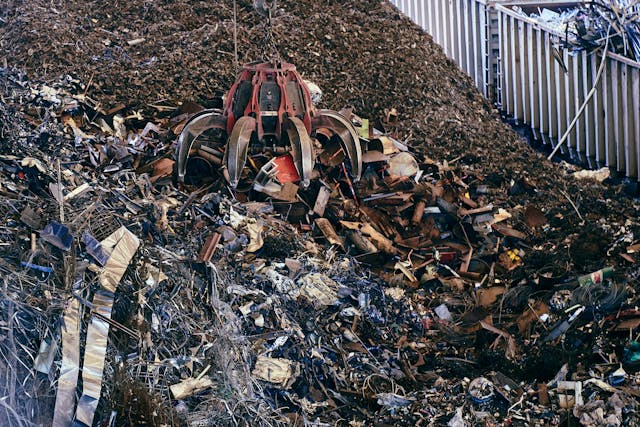
If you are asking “are scrap prices up”, the answer is not a simple yes or no. Scrap metal prices move constantly based on global demand, supply shortages, energy costs, and industrial activity. In 2026, the scrap market is generally stronger than previous years, but not all metals are increasing at the same rate.
Copper and aluminium are leading the upward trend due to strong industrial demand, while steel remains relatively stable with slow growth. This guide breaks down whether scrap prices are rising right now, which metals are increasing, and what this means if you plan to sell scrap.
Are Scrap Prices Up in 2026?
Overall market trend
Yes scrap prices are generally higher compared to previous years, especially for non-ferrous metals like copper, brass, and aluminum.
Key reasons include:
- Strong industrial demand (construction, EVs, manufacturing)
- Supply chain disruptions in global metal markets
- Higher energy costs affecting production
- Increased recycling demand
Recent market reports show that most base metals continued an upward trend into 2026, driven by strong demand and supply constraints.
At the same time, Australia’s scrap recycling industry is expanding steadily, supported by construction and infrastructure demand growth.
Scrap Metal Price Trends by Material
1. Copper – Strongly up
Copper is the biggest driver of rising scrap prices.
- High demand from EVs and electrical infrastructure
- Supply shortages in global markets
- Heavy industrial usage
Copper scrap has seen sustained strength, with global tightness continuing into 2026.
2. Aluminium – Moderately up
Aluminium is also trending upward.
- Driven by automotive and packaging industries
- Increasing recycling demand
- Energy costs impacting production
Aluminium benefits from tight supply conditions and rising industrial demand.
3. Steel – Stable with slight growth
Steel scrap is not rising sharply.
- High supply availability
- Lower per-kg value
- Demand depends on construction cycles
Typical Australian steel scrap rates remain low but stable, often around $0.10–$0.35/kg depending on grade.
Why Scrap Prices Are Increasing
1. Global demand growth
Industries like EV manufacturing, construction, and renewable energy are increasing demand for recycled metals.
2. Supply shortages
Mining and raw material disruptions are reducing availability, especially for copper.
3. Higher energy costs
Metal recycling and production require energy, and rising costs push prices higher.
4. Currency and trade impact
Exchange rates and export demand can increase local scrap prices when international buyers pay more.
What This Means for Sellers
Good news
- Copper and aluminium are paying more than previous years
- Scrap recycling demand is strong
- Bulk sellers can negotiate better rates
Caution
- Prices still fluctuate weekly
- Some metals like steel remain low value
- Local yard pricing can differ significantly
Even in a rising market, timing still matters for maximizing returns.
How to Maximise Scrap Value in a Rising Market
Separate metals properly
Clean sorting improves payout significantly.
Sell during price peaks
Avoid selling during low-demand weeks.
Remove contamination
Dirty or mixed scrap reduces value per kg.
Compare buyers
Different scrap yards offer different daily rates.
FAQs – Are Scrap Prices Up?
1. Are scrap prices going up in 2026?
Yes, overall scrap prices especially copper and aluminium are trending higher in 2026 due to strong demand and global supply constraints, though steel remains relatively stable.
2. Which scrap metal is increasing the most?
Copper is increasing the most due to industrial demand and supply shortages, followed by aluminium with steady upward movement.
3. Why do scrap prices change so often?
Scrap prices change due to global commodity markets, energy costs, currency fluctuations, and supply-demand imbalances.
4. Is now a good time to sell scrap?
Yes, especially for non-ferrous metals like copper and brass, which are currently strong compared to historical averages.
5. Will scrap prices keep rising?
Long-term outlook suggests moderate growth for key metals, but short-term volatility will continue depending on global market conditions.
Conclusion
So, are scrap prices up? The answer is yes but selectively. Copper and aluminium are leading the upward trend in 2026, while steel remains stable with limited growth. Overall, the scrap market is stronger than previous years due to rising industrial demand and global supply pressure.
For sellers, the key strategy is not just knowing prices are up, but timing sales correctly and separating materials properly. Monitoring market trends through platforms like ScrapTrade Australia can help you get closer to peak pricing instead of average yard rates.