
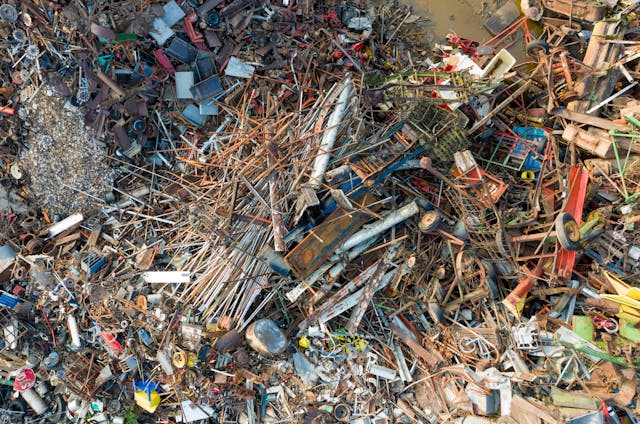
Industrial waste is no longer just a disposal problem—it has become a valuable global trade resource. A global industrial waste exchange enables businesses to buy, sell, and recover industrial byproducts, scrap materials, and recyclable waste across international markets.
Manufacturing plants, construction companies, automotive industries, and heavy engineering sectors generate large volumes of waste materials daily. Instead of sending everything to landfills, companies now use digital waste exchange platforms to recover value, reduce costs, and improve sustainability performance.
As global pressure increases to reduce environmental impact, industrial waste exchange systems are becoming a critical part of the circular economy. This guide explains how these platforms work, what materials are traded, pricing factors, benefits, challenges, and how businesses can leverage global waste networks.
What Is a Global Industrial Waste Exchange?
A global industrial waste exchange is a digital marketplace where businesses trade, recycle, and recover industrial waste materials instead of disposing of them.
These platforms connect:
- Manufacturing companies
- Recycling facilities
- Scrap processors
- Construction firms
- Metal traders
- Environmental service providers
- Industrial buyers and exporters
The main objective is to convert industrial waste into reusable raw materials or tradable commodities.
Types of Materials Traded
Industrial waste exchanges typically handle:
- Metal scrap and alloys
- Plastic waste and polymers
- Electronic waste (e-waste)
- Construction and demolition waste
- Industrial sludge and byproducts
- Packaging waste
- Chemical residues (regulated categories)
Why Global Industrial Waste Exchanges Are Growing
Industrial waste exchange platforms are expanding due to economic and environmental pressures.
Rising Waste Generation
Global industrialization produces massive waste streams from:
- Factories
- Construction projects
- Automotive production
- Electronics manufacturing
Circular Economy Transition
Businesses are shifting from a linear "produce-dispose" model to a circular system where materials are reused.
Key benefits include:
- Reduced landfill dependency
- Lower raw material costs
- Improved sustainability reporting
Regulatory Pressure
Governments worldwide enforce stricter waste management laws requiring companies to:
- Recycle industrial waste
- Reduce carbon emissions
- Track waste disposal
Digital Waste Trading Systems
Modern exchanges provide:
- Real-time waste listings
- Verified supplier networks
- Automated matching systems
- Logistics coordination
How a Global Industrial Waste Exchange Works
These platforms follow a structured process for waste recovery and trade.
Waste Listing
Industrial producers upload details such as:
- Waste type
- Quantity
- Composition
- Contamination level
- Location
- Availability
Buyer Matching
Buyers search based on:
- Material type
- Recovery potential
- Price range
- Industrial use case
Evaluation and Quotation
Buyers evaluate waste based on:
- Recyclability
- Processing cost
- Market demand
- Purity level
Transaction Agreement
Both parties finalize:
- Pricing
- Payment terms
- Logistics method
- Compliance requirements
Collection and Processing
Waste is:
- Collected
- Sorted
- Processed
- Reintroduced into supply chains
Key Materials in Industrial Waste Exchanges
Metal Waste
Most valuable category in global waste trading.
Includes:
- Copper scrap
- Aluminum scrap
- Steel scrap
- Brass and alloys
- Stainless steel
Used in:
- Manufacturing
- Construction
- Electrical systems
Plastic Waste
Plastic recovery is growing rapidly.
Includes:
- PET bottles
- Industrial plastic waste
- Packaging waste
- Polymer scraps
Electronic Waste
E-waste contains valuable metals:
- Gold
- Silver
- Copper
- Palladium
Construction Waste
Includes:
- Concrete debris
- Steel reinforcement
- Wood waste
- Asphalt materials
Industrial Byproducts
Manufacturing generates:
- Sludge
- Chemical residues
- Production offcuts
- Process waste
Benefits of a Global Industrial Waste Exchange
For Manufacturers
- Monetize waste streams
- Reduce disposal costs
- Improve sustainability metrics
- Optimize production efficiency
For Recyclers
- Access raw material sources
- Increase supply consistency
- Expand global reach
For Buyers
- Lower material costs
- Access secondary raw materials
- Improve supply chain resilience
For the Environment
- Reduced landfill usage
- Lower carbon emissions
- Improved resource efficiency
Pricing Factors in Industrial Waste Exchange
Waste pricing depends on recovery value and processing requirements.
Key Pricing Drivers
| Factor | Impact |
|---|---|
| Material Quality | Higher purity increases value |
| Processing Requirement | More processing reduces value |
| Market Demand | Strong demand increases price |
| Transportation Costs | Affects final pricing |
| Quantity | Bulk improves pricing |
| Recovery Value | Determines recyclability |
Example Price Ranges
- Copper scrap: $6,000–$9,000 per ton
- Aluminum scrap: $1,200–$2,500 per ton
- Steel scrap: $300–$600 per ton
- Plastic waste: $400–$1,200 per ton
Challenges in Industrial Waste Exchange
Despite growth, challenges remain.
Common Issues
- Waste contamination
- Regulatory complexity
- Transportation costs
- Supplier verification
- Inconsistent material quality
Risk Reduction Strategies
- Material testing
- Supplier audits
- Certification requirements
- Compliance documentation
How Businesses Use Waste Exchange Platforms
Manufacturing Optimization
Companies reduce production waste costs by selling excess materials.
Recycling Operations
Recyclers secure consistent waste supply for processing.
Export Opportunities
Waste materials are exported to regions with processing demand.
Sustainability Reporting
Companies track waste recovery for ESG compliance.
Future of Global Industrial Waste Exchange
The industry is rapidly evolving with technology.
Key Trends
- AI-based waste classification
- Blockchain traceability systems
- Automated pricing models
- Smart logistics tracking
- Carbon credit integration
- Circular supply chain platforms
These innovations will make waste trading more efficient and transparent.
FAQs
What is a global industrial waste exchange?
It is a digital marketplace where businesses trade industrial waste materials for recycling and recovery.
Which industries use waste exchange platforms?
Manufacturing, construction, automotive, electronics, and recycling industries commonly use them.
What materials are traded?
Metals, plastics, electronics, construction waste, and industrial byproducts are commonly traded.
Why is industrial waste exchange important?
It reduces waste disposal costs, improves sustainability, and supports circular economy systems.
Can companies make money from industrial waste?
Yes. Many companies monetize waste streams by selling recyclable materials through global exchanges.
Conclusion
A global industrial waste exchange is transforming how businesses manage and monetize waste materials. Instead of treating waste as a cost burden, companies can now turn it into a valuable resource through global recycling networks.
These platforms improve sustainability, reduce costs, and strengthen circular supply chains across industries.