
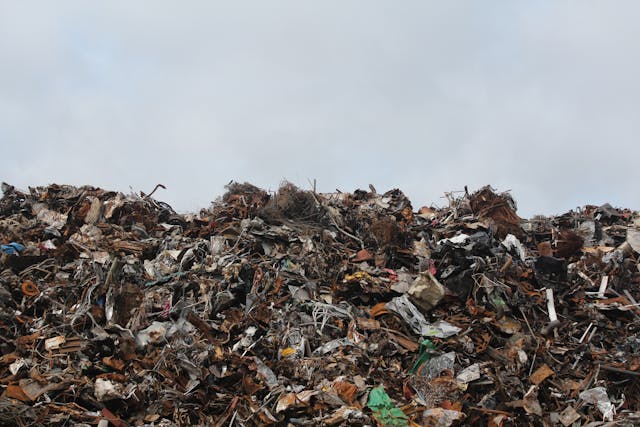
The global recycled inventory exchange is reshaping how recyclable materials and surplus industrial inventory are traded worldwide. Businesses increasingly seek ways to monetize recyclable stock, excess materials, and post-consumer waste rather than letting valuable resources sit unused or enter landfills.
Traditional recycling markets often rely on fragmented local networks, making pricing inconsistent and buyer discovery difficult. A global recycled inventory exchange solves this by connecting suppliers and buyers through a centralized platform that improves transparency, pricing accuracy, and global reach.
What is a Global Recycled Inventory Exchange?
A global recycled inventory exchange is a digital marketplace where recyclable inventory, recovered materials, and surplus industrial stock are listed and traded between suppliers and buyers across international markets.
Unlike traditional scrap yards, these exchanges focus on inventory-level transactions where reusable or recyclable materials retain commercial value.
Participants in the exchange include:
- Manufacturers with surplus materials
- Recycling facilities and recovery centers
- Scrap processors and aggregators
- Commodity buyers and exporters
- Industrial manufacturers seeking recycled inputs
Materials commonly traded:
- Metal scrap and recyclable alloys
- Plastic recovery materials
- Paper and cardboard inventory
- Electronic waste and components
- Industrial surplus stock
How Recycled Inventory Exchanges Work
- A recycled inventory exchange operates using a structured listing and buyer-matching system.
- Businesses upload available inventory along with specifications such as weight, grade, material composition, and location. Buyers then browse listings or request materials based on specific industrial requirements.
- Once a match is identified, pricing negotiations occur based on quality, quantity, and market demand. Logistics providers coordinate transportation, and transactions are completed securely through the platform.
Standard exchange workflow:
- Inventory listing by supplier
- Material classification and grading
- Buyer discovery and bidding
- Pricing agreement
- Shipment and logistics coordination
- Payment and transaction closure
Why Recycled Inventory Exchanges Matter
- A global exchange creates value from materials that may otherwise go unused.
Key benefits include:
- Better utilization of surplus inventory
- Increased access to international buyers
- Reduced waste disposal costs
- Improved sustainability performance
- Higher recovery value for recyclable materials
Benefits of Using a Recycled Inventory Exchange
- Businesses using recycled inventory exchanges can unlock multiple advantages.
- Higher return on surplus materials
Reduced warehouse holding costs
Faster buyer discovery through global exposure
More predictable pricing through marketplace data
Improved ESG and sustainability reporting - For manufacturers and recyclers, these exchanges create an additional revenue channel from materials that might otherwise be overlooked.
Challenges in Recycled Inventory Trading
- Although exchange platforms improve efficiency, challenges still exist.
- Material standardization can vary between suppliers, making quality comparison difficult. Logistics costs also affect profitability, especially for low-margin recyclable materials.
- Additionally, market demand fluctuates based on industry production cycles and commodity pricing. Businesses must monitor inventory quality and pricing trends carefully to maximize returns.
Future of Global Recycled Inventory Exchanges
- The future of recycled inventory trading is increasingly data-driven.
- Artificial intelligence will improve buyer matching and demand forecasting. Blockchain systems will strengthen traceability and transparency for recycled goods.
- Global sustainability regulations will also increase demand for secondary materials, making recycled inventory exchanges more important across industries.
- As industries shift toward circular supply chains, these exchanges will become essential infrastructure for resource recovery.
FAQs
- What is a global recycled inventory exchange?
It is a digital marketplace where recyclable inventory and surplus materials are traded between suppliers and buyers globally. - How are recycled inventory prices calculated?
Pricing is based on material quality, global commodity rates, demand, and logistics costs. - What materials can be traded on these exchanges?
Metals, plastics, paper, e-waste, and industrial surplus inventory are commonly traded. - Who uses recycled inventory exchanges?
Manufacturers, recyclers, exporters, and commodity traders use these platforms to buy and sell reusable materials. - What is the main benefit of a recycled inventory exchange?
It creates value from unused materials by connecting them with global buyers. Conclusion
- The global recycled inventory exchange is creating new opportunities for businesses to monetize recyclable materials and surplus inventory. By improving visibility, pricing transparency, and buyer access, these platforms support both profitability and sustainability.