

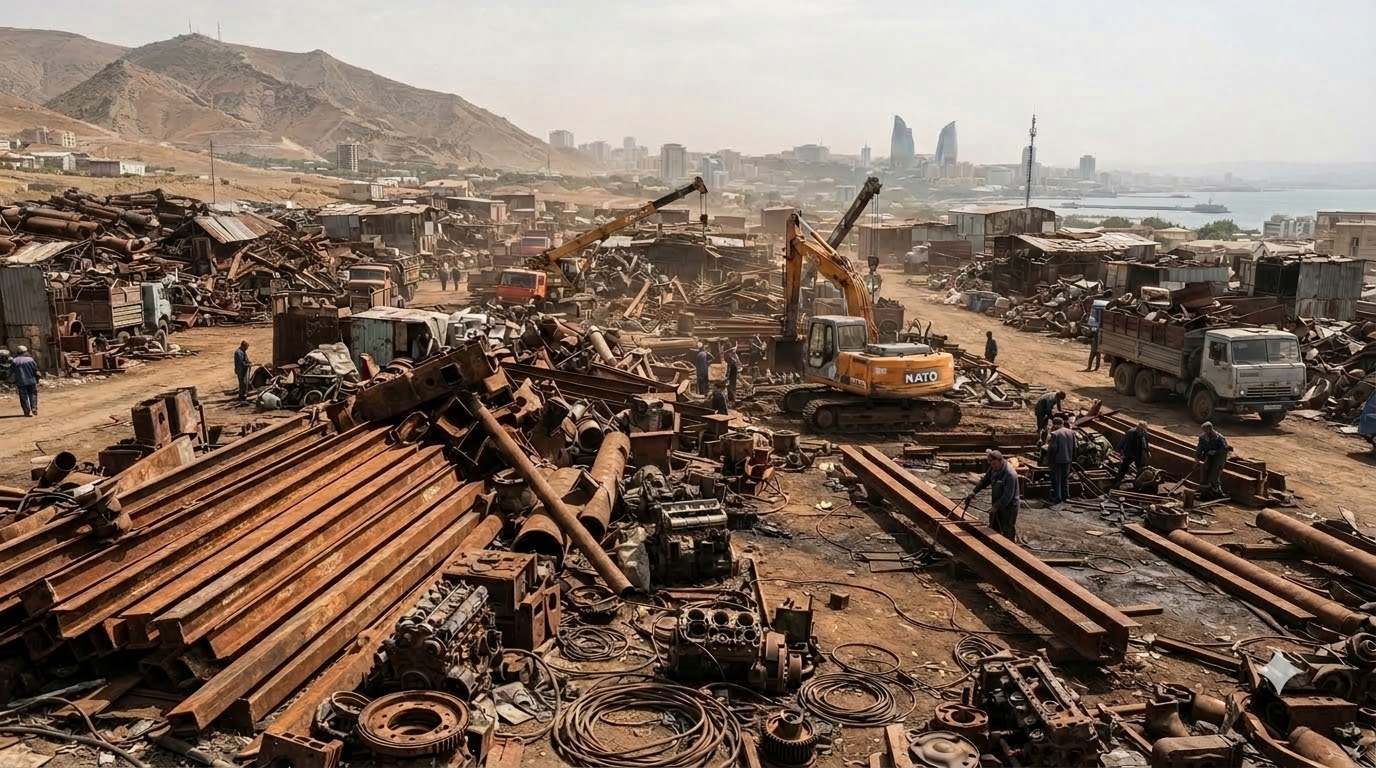
Scrap metal does not have to become waste after its first use. Many metal products can enter recycling streams, where they are collected, sorted, processed, melted, and converted into material that can be used again.
Understanding how scrap metal recycling works helps explain what happens between the moment metal is discarded and the point where recycled metal becomes a usable industrial material.
The exact process varies according to the metal, its physical form, its condition, the available processing equipment, and the requirements of the end user. A large steel structure, a bundle of copper wire, an aluminium can, and an electronic device may all follow different processing routes.
Collection and Sorting
The recycling process begins when scrap metal is collected from businesses, manufacturing facilities, construction and demolition activities, vehicles, appliances, electronic equipment, households, and other sources.
Scrap may arrive at a scrap yard, recycling facility, processing plant, or another collection point.
At this stage, identification and sorting are critical.
Different metals have different physical and chemical characteristics, and buyers generally need material separated according to their specifications. Ferrous metals such as steel and iron are typically handled differently from nonferrous metals such as copper and aluminium.
Initial Sorting
Sorting can involve manual inspection, mechanical equipment, magnets, sensors, and other separation technologies.
One of the simplest methods is magnetic separation. Ferrous material can be separated from nonferrous material using magnetic equipment because iron-containing metals respond differently to magnetic fields.
Further sorting may then separate individual materials or grades.
For example, copper wire, aluminium scrap, stainless steel, brass, and mixed steel can require different processing and commercial specifications.
This is where scrap metal grading becomes important. A material's grade can depend on factors such as composition, cleanliness, physical form, contamination, and preparation.
For a broader explanation, see the Scrap Metal Grading Standards guide.
Melting and Refining
After sorting and mechanical preparation, suitable metal scrap can be sent for melting and further processing.
Melting allows recovered metal to be transformed into a form that can be used in new manufacturing processes.
The furnace and processing method depend on the metal and the facility.
Steel, aluminium, copper, and other metals can require different temperatures, furnace technologies, refining methods, and process controls.
Melting Is Not the Same as Simple Heating
Industrial metal recycling involves controlled processing rather than simply placing scrap into a furnace.
Before melting, material may need additional preparation to remove unwanted components or contaminants.
During processing, operators control the material and furnace conditions to produce metal that meets the required specifications.
Depending on the material and process, refining can help manage unwanted elements and achieve the desired composition.
Copper and Other Nonferrous Metals
Nonferrous metals can follow processing routes that differ from steel.
Copper scrap, for example, may come from wire, cable, tubing, electrical equipment, industrial components, and other sources. Its processing route depends on the type and quality of the feedstock.
High-quality, well-sorted scrap can be particularly useful because the material is already closer to the specification required by the next stage.
This is one reason why accurate scrap classification and preparation matter throughout the recycling chain.
Quality Checks Before Reuse
Recycling does not finish when the metal has been melted.
The recovered material must meet the requirements of its intended application.
Quality control can involve checking chemical composition, physical properties, dimensions, cleanliness, or other characteristics depending on the product being produced.
Composition and Specification
A buyer or manufacturer may have specific requirements for the recycled metal.
For example, an alloy producer may require a particular chemical composition. A steel producer may require feedstock that meets defined quality specifications.
Testing and process controls help determine whether the recovered material is suitable for the intended application.
Why Scrap Quality Matters
The quality of the incoming scrap affects the efficiency of the recycling process and the quality of the resulting material.
Accurate sorting reduces the chance of unsuitable materials entering a particular processing stream.
This connects directly with scrap trading. Buyers purchasing scrap need enough information about the material to determine whether it matches their processing requirements.
Sellers who provide accurate descriptions, grades, quantities, photos, and relevant specifications make it easier for potential buyers to evaluate their material.
Where Recycled Metal Ends Up
After processing and quality control, recycled metal can return to manufacturing and industrial supply chains.
The final application depends on the metal and its specification.
Recycled steel can become feedstock for new steel products. Recycled aluminium can be used in products such as automotive components, construction materials, packaging, and other applications.
Recycled copper can return to electrical, construction, industrial, and manufacturing applications.
The important point is that recycling creates another route for metal to re-enter productive use rather than remaining discarded.
From Scrap to New Products
The complete journey can therefore look something like this:
Collection → Sorting → Preparation → Shredding where required → Mechanical separation → Melting/refining where applicable → Quality control → Manufacturing → New product
Not every material follows every stage. Some scrap may require only sorting and preparation before being sent to another processor, while complex mixed scrap can require multiple processing stages.
The recycling chain is therefore flexible rather than identical for every metal.
The Role of Scrap Trading
Before a recycling facility can process material, businesses need to source and move scrap.
This is where scrap trading and recycling are closely connected.
A digital marketplace can provide a commercial channel for businesses that have recyclable materials to list them and for buyers to identify potential sources.
Through a global marketplace such as ScrapTrade, businesses can list materials, provide specifications and quantities, receive potential buyer offers, and discuss transaction terms.
You can browse the ScrapTrade marketplace to see what materials are available for trading.
FAQs
How does scrap metal recycling work?
Scrap metal recycling generally involves collection, sorting, preparation, mechanical processing where necessary, separation, melting or refining where applicable, quality control, and reuse in manufacturing.
What happens to scrap metal after it is collected?
The material is typically inspected and sorted according to metal type, grade, condition, and processing requirements. Suitable scrap may then be prepared, shredded, separated, or sent directly to a processor.
Is all scrap metal shredded?
No. Shredding depends on the material and its condition. Some clean and properly sorted scrap can be processed without shredding, while larger or mixed items may benefit from mechanical size reduction and separation.
How are metals separated during recycling?
Different technologies can be used, including magnets for ferrous metals and other mechanical or sensor-based systems for separating materials according to their physical or material properties.
Conclusion
The scrap metal recycling process is a chain of collection, identification, sorting, preparation, processing, separation, melting or refining where appropriate, and quality control.
The exact route depends on the material. A clean copper stream may require very different processing from a mixed end-of-life vehicle, while aluminium, stainless steel, steel, and other materials each have their own processing requirements.
For businesses involved in the scrap industry, the process begins well before the furnace. Accurate classification, grading, preparation, weighing, and trading information all help move material efficiently through the recycling supply chain.