
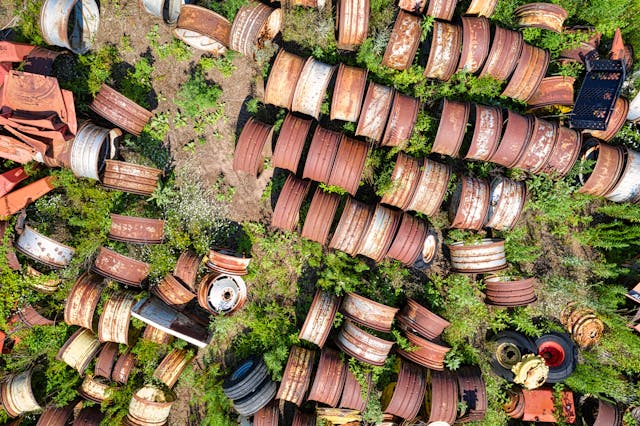
Industrial scrap trading is no longer limited to local dealers or informal negotiations. Today, a structured industrial scrap brokerage network connects manufacturers, recyclers, exporters, and buyers through professional intermediaries who specialize in global scrap movement.
These brokerage networks play a critical role in matching supply and demand for materials like copper, aluminum, steel, stainless steel, and electronic scrap. Instead of fragmented sourcing, businesses get access to verified buyers, competitive pricing, and streamlined logistics coordination.
As global demand for recycled metals increases due to sustainability goals and cost pressures, scrap brokerage networks have become essential for scaling international trade. This guide explains how these networks operate, what materials are traded, how brokers add value, pricing structures, and how businesses can benefit from global scrap brokerage systems.
What Is an Industrial Scrap Brokerage Network?
An industrial scrap brokerage network is a structured system of professional brokers who facilitate buying and selling of scrap materials between suppliers and end buyers across global markets.
Unlike direct marketplaces, brokers act as intermediaries who manage sourcing, negotiation, compliance, and logistics.
Key participants include:
- Scrap brokers
- Recycling companies
- Industrial suppliers
- Foundries and smelters
- Exporters and importers
- Manufacturing buyers
The goal is to reduce friction in global scrap trade while maximizing price efficiency and reliability.
How Industrial Scrap Brokers Add Value
Scrap brokers are not just middlemen they provide operational and market intelligence value.
Core functions:
- Supplier sourcing and qualification
- Buyer demand matching
- Price negotiation support
- Market trend analysis
- Logistics coordination
- Export documentation handling
Why businesses use brokers:
- Faster deal execution
- Better pricing discovery
- Reduced fraud risk
- Access to global buyers
- Simplified compliance
Why Industrial Scrap Brokerage Networks Are Growing
Global scrap brokerage is expanding rapidly due to structural changes in manufacturing and recycling industries.
Rising global demand for recycled metals
Industries are increasingly shifting toward recycled inputs to reduce production costs and carbon emissions.
Fragmented supply chains
Scrap supply is scattered across regions, making brokerage essential for consolidation.
Price volatility in commodities
Brokers help businesses navigate fluctuating metal prices through market intelligence.
Export complexity
International scrap trade involves documentation, customs, and compliance—areas where brokers add efficiency.
How an Industrial Scrap Brokerage Network Works
The brokerage model follows a structured trade flow.
Step 1: Scrap sourcing
Suppliers provide available materials including:
- Metal scrap
- Industrial waste
- Manufacturing offcuts
- Recyclable components
Step 2: Broker evaluation
Brokers assess:
- Material quality
- Market demand
- Pricing potential
- Export feasibility
Step 3: Buyer matching
Brokers connect suppliers with qualified buyers based on:
- Volume requirements
- Material grade
- Geographic preferences
Step 4: Negotiation
Price and terms are finalized:
- Per-ton pricing
- Payment structure
- Delivery timelines
- Inspection terms
Step 5: Logistics execution
Brokers coordinate:
- Freight forwarding
- Container loading
- Customs clearance
- Delivery tracking
Major Materials Traded Through Scrap Brokerage Networks
Copper scrap
High-value material used in:
- Electrical systems
- EV manufacturing
- Power infrastructure
Aluminum scrap
Used in:
- Automotive manufacturing
- Packaging
- Aerospace components
Steel scrap
Largest volume traded globally:
- Construction
- Shipbuilding
- Heavy machinery
Stainless steel scrap
Used in:
- Medical equipment
- Food processing
- Industrial machinery
Electronic scrap
Includes recoverable metals:
- Gold
- Silver
- Palladium
- Copper
Benefits of Industrial Scrap Brokerage Networks
For suppliers:
- Access to global buyers
- Faster inventory turnover
- Better price realization
- Reduced marketing effort
For buyers:
- Verified sourcing channels
- Competitive pricing access
- Reduced procurement risk
- Bulk supply consistency
For brokers:
- Commission-based revenue
- Global trade expansion
- Long-term client relationships
Digital Transformation in Scrap Brokerage
Modern brokerage networks are becoming technology-driven.
Key innovations:
- AI-based buyer-seller matching
- Automated pricing systems
- Blockchain trade verification
- Real-time logistics tracking
- Digital compliance documentation
This shift is making brokerage networks faster, more transparent, and more scalable.
How Businesses Use Scrap Brokerage Networks
Industrial procurement
Manufacturers source recycled raw materials at scale.
Export trading
Suppliers expand into international markets through broker networks.
Recycling optimization
Recyclers improve material monetization efficiency.
Commodity trading
Traders reduce risk through structured brokerage systems.
Future of Industrial Scrap Brokerage Networks
The future is moving toward fully digital and integrated global systems.
Expected trends:
- End-to-end digital trade platforms
- Automated borderless matching systems
- Carbon tracking integration
- Circular economy supply chains
- Smart contract-based transactions
Frequently Asked Questions
What is an industrial scrap brokerage network?
It is a system where professional brokers connect scrap suppliers and buyers for efficient global trading and logistics coordination.
How do scrap brokers make money?
Brokers typically earn commissions on successful scrap transactions between buyers and sellers.
Which materials are traded through brokerage networks?
Copper, aluminum, steel, stainless steel, and electronic scrap are the most common.
Are brokers necessary for scrap trading?
They are not mandatory but are highly useful for international trade, pricing efficiency, and logistics management.
Is scrap brokerage profitable?
Yes, due to high global demand and recurring industrial supply chains.
Conclusion
An industrial scrap brokerage network plays a vital role in connecting global scrap suppliers and buyers through structured, professional trade systems. By improving sourcing efficiency, pricing transparency, and logistics coordination, brokers help streamline international recycling trade.
Businesses using brokerage networks gain faster access to global markets, better pricing discovery, and reduced operational complexity.