

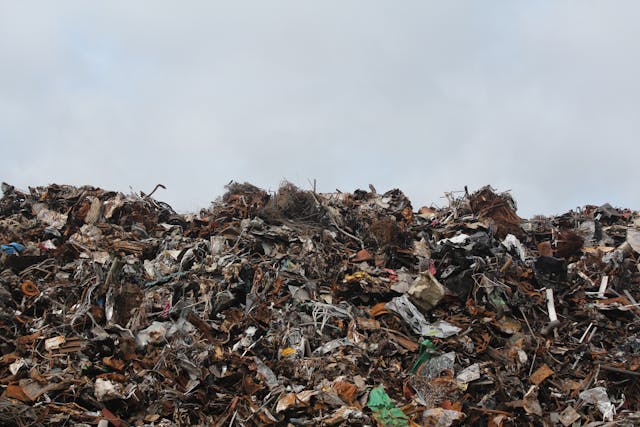
The international bulk scrap marketplace is a fast-growing segment of global commodity trading where large volumes of scrap metal, industrial waste, and recyclable materials are bought and sold across borders. Unlike small-scale scrap transactions, bulk trading focuses on high-tonnage shipments, industrial contracts, and export-oriented supply chains.
However, many businesses still struggle with inconsistent pricing, unreliable buyers, and fragmented supply networks. This leads to missed opportunities and lower profit margins. In this guide, you will learn how the international bulk scrap marketplace works, how pricing is determined for high-volume scrap, and how companies can scale efficiently in global bulk scrap trading.
What is an International Bulk Scrap Marketplace?
An international bulk scrap marketplace is a structured global trading system where large quantities of scrap materials are traded between suppliers, recyclers, and industrial buyers.
Key participants include:
- Industrial scrap generators (factories, construction firms, demolition companies)
- Large-scale recyclers and smelters
- Exporters and commodity traders
- Shipping and logistics companies
Common bulk scrap materials:
- Steel scrap (HMS 1 & 2, shredded steel)
- Copper and aluminum scrap
- Industrial machinery scrap
- Automotive dismantled scrap
- Construction and demolition waste
The focus is on volume-based trading, where pricing efficiency and logistics optimization are critical.
How the Bulk Scrap Marketplace Works
Bulk scrap trading operates through a structured global supply chain designed to handle high volumes efficiently.
First, scrap is collected from industrial sources and consolidated into bulk shipments. It is then sorted, compressed, or processed depending on material type and export requirements.
Next, materials are graded based on purity, contamination level, and international classification standards. These grades directly influence pricing in global markets.
Once grading is complete, buyers place bulk orders or long-term contracts based on demand forecasts. Logistics providers then handle containerization, shipping, and export documentation.
Bulk scrap flow:
Industrial scrap generation
Large-scale collection and aggregation
Sorting and industrial grading
Bulk pricing evaluation
Contract-based buying or bidding
International shipping and delivery
This system ensures efficiency in handling large scrap volumes.
Benefits of International Bulk Scrap Marketplace
The bulk scrap marketplace offers strong advantages for industrial suppliers and exporters:
Higher revenue through large-volume contracts
Lower per-unit logistics and processing costs
Access to global industrial buyers
Improved pricing stability through long-term agreements
Efficient handling of large-scale scrap operations
Businesses that operate in bulk markets benefit from economies of scale and predictable demand cycles.
Challenges in Bulk Scrap Trading
Despite its advantages, bulk scrap trading comes with operational challenges.
Logistics complexity is a major issue due to large shipment volumes and international regulations. Price fluctuations in global commodity markets can also impact profitability.
Quality control becomes more critical at scale, as even small inconsistencies can affect entire shipments. Additionally, payment security and contract enforcement require strong verification systems.
How Businesses Can Succeed in Bulk Scrap Markets
To succeed in the international bulk scrap marketplace, businesses should focus on:
Building long-term contracts with verified industrial buyers
Standardizing scrap grading and quality control processes
Optimizing shipping and freight cost structures
Tracking global commodity price trends
Using digital platforms for global exposure
Companies that specialize in high-volume scrap handling tend to achieve more stable and scalable revenue streams.
Future of International Bulk Scrap Marketplaces
The future of bulk scrap trading is becoming more data-driven and automated.
Artificial intelligence is being used to forecast bulk demand trends and optimize pricing strategies. Blockchain systems are improving contract transparency and shipment tracking.
Global industrial demand for recycled materials is also increasing due to sustainability regulations, which will further expand bulk scrap trading markets worldwide.
FAQs
What is an international bulk scrap marketplace?
It is a global trading system where large volumes of scrap materials are bought and sold between industrial suppliers and buyers.
How is bulk scrap pricing determined?
Pricing depends on global commodity indices, material quality, shipment volume, and logistics costs.
Which scrap materials are commonly traded in bulk?
Steel, copper, aluminum, and industrial scrap are the most commonly traded bulk materials.
Can small suppliers participate in bulk scrap markets?
Yes, but they usually need to aggregate materials or work with intermediaries or platforms to meet volume requirements.
What is the main advantage of bulk scrap trading?
It allows businesses to achieve higher efficiency and profitability through large-scale transactions and reduced per-unit costs.
Conclusion
The international bulk scrap marketplace is a vital component of global industrial recycling and commodity trading. It enables high-volume scrap transactions that improve efficiency, reduce waste, and support global manufacturing demand.
Businesses that adopt structured bulk trading strategies and leverage digital platforms can significantly improve profitability and scale their operations internationally.