

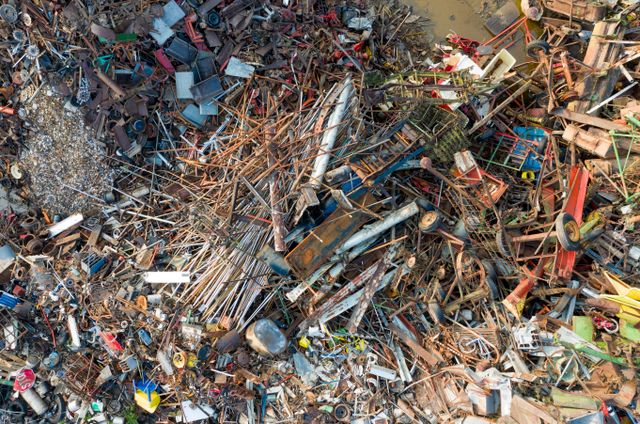
Junk metal prices in Australia change regularly based on global demand, recycling trends, export markets, and the type of metal being sold. Many homeowners, tradies, demolition contractors, and industrial businesses often struggle to understand how much their scrap metal is actually worth before visiting a recycler.
The difference between clean copper and mixed steel can mean hundreds or even thousands of dollars in payout differences. Without knowing current junk metal prices in Australia, sellers often accept lower offers than they should.
Current Junk Metal Prices Australia
Scrap metal prices across Australia fluctuate regularly due to export demand, commodity market trends, recycling activity, and metal quality. Non-ferrous metals such as copper and brass continue to deliver the highest returns, while ferrous metals like steel remain lower-value but high-volume recyclable materials.
For homeowners, tradies, demolition contractors, and industrial recyclers, understanding current junk metal prices per kg can help maximize profits before selling to scrap yards or metal recycling facilities.
| Junk Metal Type | Average Price Per KG (AUD) |
|---|---|
| Copper | $10 – $14 |
| Brass | $5 – $9 |
| Aluminium | $1 – $3 |
| Stainless Steel | $0.80 – $2 |
| Steel | $0.10 – $0.35 |
| Lead | $1 – $2.5 |
These rates reflect average Australian scrap yard prices for clean and sorted materials. Final payouts vary depending on contamination levels, quantity, metal grade, and local market demand.
Copper Scrap Prices Australia
Copper remains the highest-value common junk metal in Australia because of ongoing demand from infrastructure, renewable energy, electrical systems, and manufacturing industries. Clean bright copper wire and stripped copper tubing generally receive premium rates because they are easier to process and refine.
Copper scrap commonly comes from electrical wiring, plumbing pipes, motors, industrial machinery, and air conditioning systems. Sellers with clean and separated copper usually receive significantly higher payouts compared to mixed or insulated copper materials.
Brass Scrap Prices Australia
Brass continues to maintain strong recycling value due to its widespread use in plumbing, fittings, valves, taps, and industrial hardware. Clean brass generally achieves better prices than painted, chrome-plated, or mixed brass because contamination lowers recycling efficiency.
Australian brass scrap prices often depend on the quality and purity of the material being sold. Larger commercial quantities may also qualify for improved rates from recyclers.
Aluminium Scrap Prices Australia
Aluminium remains one of the most recycled metals in Australia because of its lightweight structure and strong reuse demand. Aluminium scrap commonly includes window frames, roofing sheets, car rims, extrusions, cans, and construction materials.
Clean extruded aluminium usually commands better prices than mixed domestic aluminium or irony aluminium. Market demand from construction and manufacturing industries also plays a major role in aluminium scrap pricing trends.
Stainless Steel and Steel Scrap Prices
Steel and stainless steel are among the most commonly recycled metals across Australia, especially within construction, demolition, automotive, and industrial sectors. Although steel generally has lower per kilogram value compared to copper or brass, larger quantities can still generate strong returns.
Stainless steel prices vary depending on the grade and nickel content. Higher-grade stainless steel materials typically attract better recycling rates due to their improved resale and reuse value.
What Affects Junk Metal Prices in Australia
Junk metal prices in Australia are influenced by global commodity markets, export demand, recycling industry activity, fuel costs, and metal purity. Clean and sorted materials almost always receive higher payouts because recyclers spend less time processing contaminated loads.
Market conditions can shift rapidly, particularly for copper, brass, and aluminium, which closely follow international metal exchange prices. Seasonal construction activity and infrastructure projects can also impact demand and pricing throughout the year.
How to Get Better Junk Metal Prices
Sellers who separate metals properly and remove non-metal materials usually receive better rates from scrap yards. Clean loads are easier for recyclers to process and therefore hold higher market value.
Bulk quantities also tend to attract improved pricing, especially for commercial sellers, demolition contractors, and industrial recyclers. Comparing multiple scrap yards before selling can help secure the most competitive rates available in the local market.
Highest Paying Junk Metal Prices
Some junk metals are significantly more valuable than others because of strong demand from construction, manufacturing, electrical, and recycling industries. Non-ferrous metals such as copper, brass, and aluminium usually generate the highest payouts in Australian scrap yards due to their high reuse value and lower processing costs.
The cleaner and more sorted the material is, the higher the payout recyclers typically offer.
Copper Junk Metal Prices
Copper remains the highest-paying common junk metal in Australia. Its strong value comes from widespread use in electrical wiring, renewable energy systems, plumbing, and industrial machinery.
| Copper Scrap Type | Average Price Per KG (AUD) |
|---|---|
| Bare Bright Copper | $12 – $14 |
| Copper Wire | $8 – $12 |
| Copper Pipes | $7 – $11 |
Bare bright copper usually receives premium pricing because it contains clean, uncoated copper with minimal contamination. Copper wire pricing depends on insulation levels and purity, while copper pipes are valued based on cleanliness and fittings attached.
Copper prices continue to remain strong due to demand from solar projects, EV manufacturing, and electrical infrastructure upgrades across Australia.
Brass Junk Metal Prices
Brass is another high-value junk metal commonly found in plumbing systems, valves, fittings, taps, and industrial hardware. Clean brass materials typically receive much better prices than mixed or contaminated loads.
| Brass Scrap Type | Average Price Per KG (AUD) |
|---|---|
| Plumbing Brass | $6 – $9 |
| Mixed Brass Scrap | $4 – $7 |
Plumbing brass generally attracts higher prices because it contains cleaner and higher-grade metal. Mixed brass scrap may include attachments, coatings, or contamination that reduce recycling efficiency.
Brass recycling demand remains stable because the metal is widely reused in manufacturing and construction industries.
Aluminium Junk Metal Prices
Aluminium is lightweight, highly recyclable, and commonly recovered from automotive, residential, and commercial materials. Although aluminium prices are lower than copper or brass, large quantities can still generate strong returns.
| Aluminium Scrap Type | Average Price Per KG (AUD) |
|---|---|
| Aluminium Wheels | $1.80 – $3 |
| Aluminium Cans | $1 – $2 |
| Extrusion Aluminium | $2 – $3 |
Extrusion aluminium generally commands higher rates because of its cleaner composition and higher-grade quality. Aluminium wheels are also valuable due to their dense metal content and automotive demand.
Clean aluminium without steel attachments or contamination usually receives the best market rates.
Steel Junk Metal Prices
Steel is one of the most common recyclable metals in Australia. While steel prices are lower per kilogram compared to non-ferrous metals, industrial quantities can still produce substantial recycling returns.
| Steel Scrap Type | Average Price Per KG (AUD) |
|---|---|
| Heavy Steel | $0.25 – $0.35 |
| Light Steel | $0.10 – $0.20 |
| Industrial Steel Scrap | $0.20 – $0.35 |
Heavy steel generally attracts better pricing because it contains denser recyclable material. Industrial steel scrap from construction sites, machinery, and demolition projects often receives stronger rates due to bulk quantities and cleaner loads.
Factors Affecting Junk Metal Prices
Junk metal prices in Australia are influenced by several important factors, including metal type, quantity, cleanliness, and daily market conditions. Understanding how recyclers calculate value can help sellers maximize profits and avoid receiving lower-than-average payouts.
Scrap yards assess junk metal based on recycling demand, processing costs, and resale potential. Even small differences in quality or weight can significantly affect final pricing.
Junk Metal Type
The type of junk metal being sold is the biggest factor affecting scrap value. Non-ferrous metals generally have much higher recycling prices because they contain greater resale value and are easier to refine and reuse.
Metals such as copper, brass, aluminium, and lead usually attract stronger prices than ferrous metals like steel and cast iron. Copper consistently remains one of the highest-paying junk metals in Australia because of strong demand from electrical, construction, and renewable energy industries.
Steel and iron are lower-value materials but are recycled in much larger quantities across construction, demolition, and industrial sectors.
Junk Metal Weight
The total weight of junk metal directly impacts the final payout. Larger loads often qualify for better rates because recyclers benefit from higher processing volumes and reduced handling costs.
Commercial sellers, demolition contractors, tradies, and industrial businesses typically receive improved pricing when selling bulk quantities of scrap metal. Heavy steel, industrial scrap, and large copper loads are commonly negotiated at higher rates per kilogram compared to small household amounts.
Bulk loads also reduce transport and processing inefficiencies for recycling facilities.
Junk Metal Quality
Clean and sorted junk metal almost always receives higher payouts than mixed or contaminated scrap. Recyclers prefer materials that require minimal processing before resale or refining.
Contamination from plastic, rubber, paint, insulation, oil, or mixed materials can lower scrap metal value significantly. For example, clean bare bright copper wire is worth much more than insulated or burnt copper wire because it is easier to recycle.
Separating metals before selling is one of the simplest ways to increase junk metal profits. Clean aluminium, sorted brass, and uncontaminated steel generally receive premium rates across Australian scrap yards.
Daily Junk Metal Prices
Junk metal prices fluctuate daily based on global commodity markets, export demand, local recycling activity, and supply chain conditions. Australian scrap prices closely follow international metal exchanges and overseas manufacturing demand.
Copper, aluminium, and brass prices are especially sensitive to market movements because they are heavily traded worldwide. Infrastructure projects, EV manufacturing, renewable energy demand, and construction activity can rapidly influence scrap metal pricing trends.
How to Get Better Junk Metal Prices
Getting the best junk metal prices in Australia depends on preparation, sorting, and understanding how scrap yards calculate value. Many sellers lose money because they mix metals together or leave contamination attached to valuable scrap materials.
Clean, separated, and bulk junk metal almost always receives higher payouts from recyclers and scrap buyers. Sellers who understand grading and market trends can significantly increase their recycling profits.
Separate Junk Metal
Separating different types of junk metal is one of the easiest ways to increase scrap value. Mixed loads are usually downgraded by recyclers because they require extra processing and sorting time.
Copper should always be separated from steel, brass, and aluminium because it carries much higher value. Bare bright copper and clean copper wire typically receive premium rates compared to mixed copper loads.
Steel should also be separated into heavy steel, light steel, and industrial scrap whenever possible. Heavy clean steel generally receives better pricing than mixed light steel because of its higher recyclable content.
Brass materials such as plumbing fittings, taps, and valves should be kept separate from steel or aluminium attachments. Clean brass attracts significantly better payouts than contaminated or mixed brass scrap.
Aluminium scrap is also graded differently depending on type and cleanliness. Extrusion aluminium, aluminium wheels, and clean aluminium sheets generally achieve stronger market prices than mixed domestic aluminium.
Many experienced scrappers recommend sorting metals before visiting a recycler because mixed piles often receive lower overall rates. Australian scrap workers on Reddit also regularly mention that properly separated copper grades can substantially increase payouts.
Remove Waste Materials
Removing waste materials before selling junk metal can greatly improve the final payout. Recyclers prefer clean metals because they reduce processing costs and improve recovery efficiency.
Plastic insulation attached to copper wire lowers the copper recovery percentage and usually reduces price per kilogram. Stripping thick copper wire can often increase value significantly.
Rubber attachments, hoses, and seals on metal items also reduce scrap quality and may lead to downgraded pricing. Scrap yards generally pay premium rates for clean and uncontaminated materials.
Wood attached to demolition scrap, furniture frames, or construction materials can also lower recycling value because it increases sorting and disposal costs for recyclers.
Clean junk metal is easier to process, easier to classify, and more profitable for recycling facilities. This is why sorted and contamination-free loads consistently achieve stronger market rates across Australia.
Junk Metal Recycling Process
Junk Metal Collection
The recycling process begins with junk metal collection from residential, commercial, and industrial sources. Scrap metal is gathered through recycling centres, demolition contractors, construction projects, automotive dismantlers, manufacturing facilities, and public scrap drop-off locations.
Common collected materials include copper wiring, steel beams, aluminium frames, brass fittings, car parts, appliances, batteries, and industrial machinery. Many Australian recyclers also offer skip bin services and bulk scrap collection for larger commercial loads.
Junk Metal Sorting
After collection, junk metal is sorted into different categories based on metal type, grade, weight, and contamination levels. Proper sorting is one of the most important stages in the recycling process because different metals require different processing methods.
Ferrous metals such as steel and iron are separated using powerful magnets, while non-ferrous metals like copper, brass, aluminium, and stainless steel are sorted manually or with advanced separation systems.
Junk Metal Processing
Once sorted, junk metal moves into the processing stage where materials are prepared for melting and reuse. Large scrap items are cut, crushed, shredded, or compacted into smaller pieces to improve handling and transportation efficiency.
Copper wire may be stripped, steel beams may be shredded, and aluminium materials may be compressed into dense blocks for easier furnace processing. Industrial recycling facilities use heavy machinery to process high volumes of scrap quickly and efficiently.
Junk Metal Recycling
The final stage involves melting and recycling the processed metal into reusable raw material. Recycled metals are melted in high-temperature furnaces and refined for use in manufacturing, infrastructure, automotive production, and construction industries.
Recycled copper is commonly reused in electrical wiring and renewable energy systems, while recycled steel is heavily used in construction and industrial manufacturing. Aluminium recycling is especially valuable because recycled aluminium requires far less energy compared to producing new aluminium from raw ore.
Metal recycling plays a major role in reducing mining demand, lowering carbon emissions, and supporting Australia’s circular economy initiatives.
FAQs
What are current junk metal prices in Australia?
Current junk metal prices in Australia depend on the type of metal, purity levels, quantity, and market demand. Copper usually receives the highest rates, while aluminium, brass, stainless steel, and steel prices vary based on recycling demand and global commodity markets.
Which junk metal has the highest value?
Copper junk metal prices are generally higher than steel, aluminium, and most other common recyclable metals. Bare bright copper wire and clean copper pipes typically attract premium rates because of strong demand from electrical, construction, and renewable energy industries.
Do junk metal prices change daily?
Yes. Junk metal prices fluctuate regularly based on recycling demand, export activity, fuel costs, and international metal market conditions. Copper, brass, and aluminium prices are especially sensitive to global commodity price movements.
How can I increase junk metal prices?
Separating metals properly, removing contamination, and selling clean junk metal can significantly improve payouts. Comparing multiple junk metal buyers and monitoring market price trends also helps sellers secure better recycling rates.
Where can I sell junk metal in Australia?
Junk metal can be sold through local scrap yards, recycling centres, industrial metal buyers, demolition recyclers, and online scrap marketplaces. Platforms like Scrap Trade, Scrap Trade Australia
Conclusion
Junk metal prices in Australia vary based on metal type, weight, quality, and overall recycling demand. Copper, brass, and aluminium usually deliver the highest returns because of their strong resale value and industrial demand, while steel remains the most commonly recycled junk metal across residential, commercial, and industrial sectors.
Understanding current junk metal prices, sorting metals properly, and removing contamination can significantly improve recycling payouts. Sellers who monitor daily market trends and compare multiple scrap buyers often secure better rates for both small and bulk loads.
As Australia’s recycling industry continues to grow alongside infrastructure, manufacturing, and renewable energy sectors, demand for recyclable metals is expected to remain strong. Whether selling household scrap, demolition waste, or industrial metal, staying informed about junk metal prices helps maximize profits and reduce waste.