

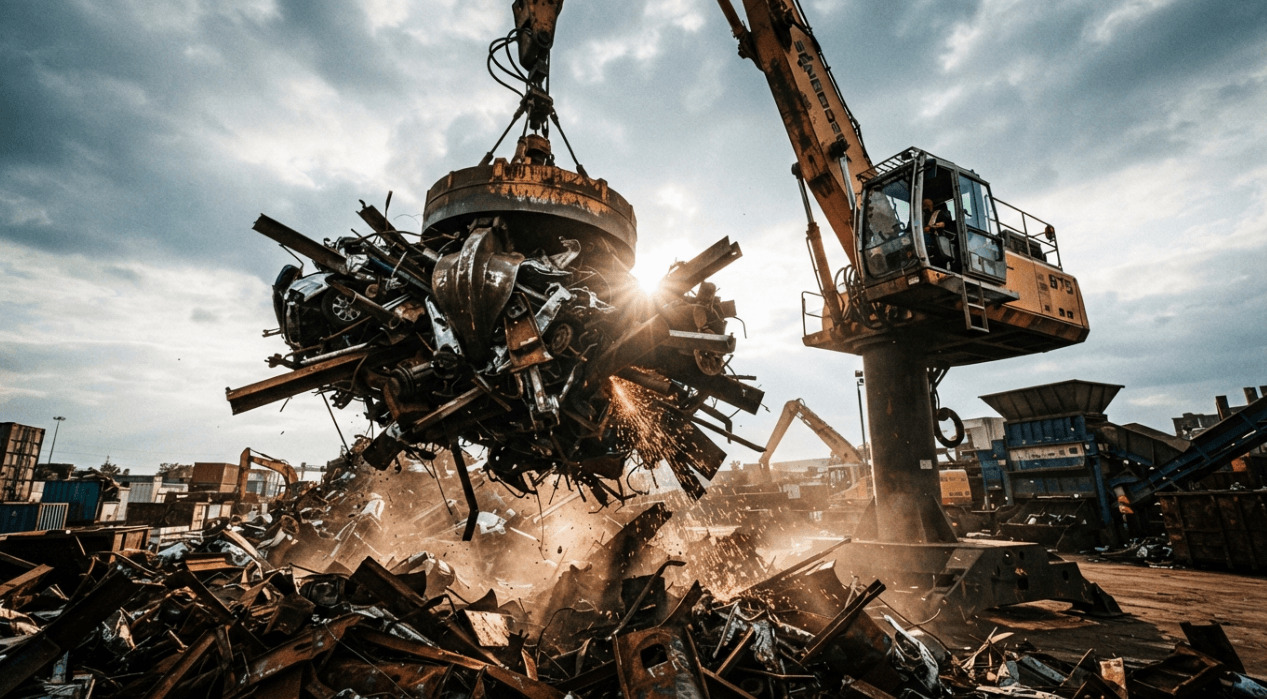
Managing scrap efficiently has become a growing challenge for homes, businesses, and industries as waste volumes continue to increase. Without a proper recycling strategy, valuable materials often end up in landfills, leading to higher disposal costs, lost revenue, and unnecessary environmental impact. Poor recycling practices also waste reusable resources that could be returned to the manufacturing supply chain.
Modern scrap recycling solutions offer a smarter and more sustainable way to manage unwanted materials. By using professional collection, sorting, and recycling services, businesses can recover value from scrap, reduce waste, and improve operational efficiency while supporting a circular economy.
What Are Scrap Recycling Solutions?
Scrap recycling solutions are systems and services that help collect, process, and recycle unwanted materials into reusable resources. They enable homes, businesses, and industries to reduce waste, recover valuable materials, and support sustainable resource management instead of sending scrap to landfills.
Understanding Scrap Recycling Solutions
Scrap recycling solutions involve the collection, sorting, processing, and reuse of recyclable materials such as metals, electronics, plastics, and industrial waste. These solutions help businesses and households manage scrap efficiently while recovering its financial value.
Recycling also plays a vital role in the circular economy, where materials are reused and recycled instead of being discarded. This reduces the demand for new raw materials, conserves natural resources, and minimizes environmental impact.
Why Scrap Recycling Matters
Effective scrap recycling benefits both businesses and the environment by turning waste into valuable resources.
- Resource Conservation: Recycled materials reduce the need for mining and extracting new raw materials.
- Environmental Protection: Recycling lowers landfill waste, reduces pollution, and decreases carbon emissions.
- Cost Savings: Businesses can reduce waste disposal and material procurement costs through efficient recycling.
- Revenue Generation: Valuable materials such as copper, aluminium, and steel can be sold to scrap buyers, creating an additional source of income.
Types of Scrap Materials That Can Be Recycled
A wide variety of materials can be recycled and reused, helping businesses reduce waste and recover value. Proper sorting ensures each material is processed efficiently and returned to the manufacturing supply chain.
Ferrous Metal Scrap
Ferrous metals contain iron and are widely used in construction and manufacturing. Common recyclable ferrous metals include:
Steel
Cast iron
Heavy Melting Steel (HMS)
These materials are recycled into new construction materials, machinery, and industrial products.
Non-Ferrous Metal Scrap
Non-ferrous metals do not contain iron and are highly valuable due to their durability and recyclability. Common examples include:
Copper
Aluminium
Brass
Stainless steel
Lead
Zinc
These metals are commonly reused in electrical, automotive, and construction industries.
Electronic Waste (E-Waste)
E-waste contains valuable recyclable materials that can be recovered through specialized recycling processes. Common e-waste includes:
Computers and laptops
Mobile phones
Circuit boards
Electrical equipment
Proper e-waste recycling helps recover metals while preventing hazardous materials from harming the environment.
Plastic, Paper, and Other Recyclables
Many non-metal materials can also be recycled and reused in manufacturing. These include:
Plastic scrap
Cardboard
Paper waste
Rubber materials
Recycling these materials reduces landfill waste, conserves natural resources, and supports a more sustainable circular economy.
How Scrap Recycling Solutions Work
Scrap recycling solutions follow a structured process to collect, sort, process, and reuse unwanted materials. This process helps recover valuable resources, reduce waste, and convert scrap into materials that can be used for new products.
Scrap Collection
The recycling process begins with collecting scrap materials from different sources.
Residential collection helps households dispose of unwanted items such as old appliances, electronics, and metal waste.
Commercial pickup supports businesses by collecting office waste, equipment, packaging materials, and recyclable metals.
Industrial waste collection manages large volumes of scrap from factories, construction sites, warehouses, and manufacturing facilities.
Material Sorting
After collection, scrap materials are separated based on type, quality, and recycling requirements.
Manual sorting involves workers identifying and separating different materials.
Magnetic separation is used to remove ferrous metals such as steel and iron from mixed scrap.
Automated sorting systems use advanced technology, sensors, and machines to improve accuracy and recycling efficiency.
Processing and Recycling
Once sorted, scrap materials undergo processing to prepare them for reuse.
Common recycling processes include:
- Cutting materials into manageable sizes
- Shredding scrap for easier separation
- Baling materials for storage and transportation
- Melting metals into reusable forms
- Refining materials to improve quality
These processes transform scrap into valuable raw materials for different industries.
Manufacturing New Products
The final stage involves using recovered materials to manufacture new products. Recycled metals, plastics, and other materials are returned to the production cycle.
Reusing recovered materials helps reduce the demand for raw resources, lower energy consumption, and support a sustainable circular economy.
Benefits of Scrap Recycling Solutions
Scrap recycling solutions provide financial, environmental, and operational benefits for businesses and industries. By managing scrap efficiently, organizations can recover value from waste while improving sustainability and reducing operational challenges.
Increase Revenue From Scrap
Scrap materials such as copper, aluminium, steel, and electronic waste have resale value. Recycling solutions help businesses identify, collect, and sell these materials to generate additional income.
Reduce Waste Disposal Costs
Efficient scrap recycling reduces the need for landfill disposal and lowers waste management expenses. Professional recycling services help businesses manage large volumes of scrap more cost-effectively.
Improve Environmental Sustainability
Recycling reduces landfill waste, conserves natural resources, and lowers the environmental impact of raw material extraction. It helps businesses adopt more sustainable waste management practices.
Support Corporate ESG Goals
Scrap recycling supports Environmental, Social, and Governance (ESG) objectives by improving resource efficiency, reducing carbon emissions, and demonstrating commitment to responsible business practices.
Enhance Workplace Safety
Regular scrap collection removes clutter, hazardous materials, and unwanted waste from workplaces. A cleaner environment improves safety, organization, and overall operational efficiency.
Scrap Recycling Solutions for Different Industries
Different industries generate unique types of scrap materials that require specialized recycling solutions. Professional scrap management helps businesses recover valuable materials, reduce waste, and improve operational efficiency.
Manufacturing
Manufacturing facilities generate large amounts of metal waste, production leftovers, and damaged materials. Scrap recycling solutions help manage materials such as steel, aluminium, copper, and machinery components while recovering value from manufacturing waste.
Construction and Demolition
Construction and demolition projects produce materials like steel, concrete, pipes, cables, and other recyclable waste. Effective recycling solutions help reduce landfill waste, lower disposal costs, and recover reusable materials from building sites.
Automotive Industry
The automotive industry generates vehicle parts, metal components, batteries, and electronic waste. Scrap recycling helps recover valuable materials from end-of-life vehicles while supporting parts reuse and metal recovery processes.
Mining and Heavy Engineering
Mining and heavy engineering operations produce large volumes of industrial scrap, machinery parts, and heavy metals. Specialized recycling solutions help manage equipment waste, recover valuable metals, and improve resource efficiency.
Warehousing and Logistics
Warehouses and logistics companies often generate packaging waste, damaged equipment, pallets, and metal scrap. Recycling solutions help maintain organized facilities, reduce storage issues, and improve waste management practices.
Technologies Transforming Scrap Recycling
Technology is changing the way scrap materials are collected, sorted, priced, and recycled. Advanced solutions are helping recycling companies improve efficiency, reduce costs, and recover more valuable materials from waste.
AI-Based Material Sorting
Artificial intelligence (AI) is improving scrap sorting by identifying and separating different materials with greater speed and accuracy. AI-powered systems can detect metals, plastics, and other materials, reducing manual errors and increasing recycling efficiency.
Robotics in Recycling Plants
Robotics is helping recycling facilities automate repetitive tasks such as sorting, picking, and handling scrap materials. Robotic systems improve safety, increase processing speed, and allow recycling plants to handle larger volumes of waste.
IoT for Scrap Inventory Management
Internet of Things (IoT) technology helps businesses track and manage scrap inventory in real time. Connected sensors and digital systems can monitor scrap quantities, storage levels, and collection schedules, improving overall scrap management.
Digital Scrap Marketplaces
Digital scrap marketplaces connect buyers and sellers through online platforms, making scrap trading faster and more transparent. Businesses can list materials, compare offers, and connect with verified buyers through platforms like ScrapTrade Global Marketplace.
Real-Time Scrap Price Tracking
Real-time pricing systems help businesses monitor changing scrap market rates and make better selling decisions. Access to updated prices improves transparency and helps sellers maximize the value of materials such as copper, aluminium, and steel scrap.
How to Choose the Right Scrap Recycling Solution
Choosing the right scrap recycling solution helps businesses manage waste efficiently, recover maximum value, and ensure responsible recycling. The right provider should offer reliable collection, fair pricing, and professional recycling services based on your specific requirements.
Evaluate Your Scrap Volume
Understanding your scrap volume helps you select the right recycling service. Small quantities may require on-demand pickup, while industries with large volumes may need regular collection and specialized handling solutions.
Choose Licensed and Verified Recyclers
Work with licensed and verified recycling providers to ensure your scrap is processed responsibly. Reliable recyclers follow proper recycling standards, provide transparent services, and handle materials through approved channels.
Compare Scrap Prices
Scrap values vary based on material type, quality, quantity, and market conditions. Compare offers from different buyers and consider current market rates to ensure you receive competitive value for your materials.
Look for Collection and Logistics Support
A complete recycling solution should include convenient collection and transportation services. Professional providers can manage pickup scheduling, loading, logistics, and delivery to recycling facilities.
Use Online Scrap Trading Platforms
Online scrap trading platforms make it easier to connect with buyers, compare offers, and trade recyclable materials efficiently. Businesses can use platforms like ScrapTrade Australia to connect with verified buyers and improve scrap selling opportunities.
Common Challenges in Scrap Recycling
While scrap recycling provides financial and environmental benefits, businesses often face challenges that can affect efficiency and profitability. Understanding these challenges helps organizations develop better scrap management strategies.
Mixed Scrap Materials
Mixed scrap materials can make recycling more difficult and reduce overall value. When different metals, plastics, and other materials are combined, additional sorting and processing are required. Proper segregation at the source helps improve recycling efficiency and scrap value.
Fluctuating Scrap Prices
Scrap prices constantly change due to market demand, supply conditions, and global commodity trends. Price fluctuations can make it challenging for businesses to decide the right time to sell their materials. Monitoring current market rates helps sellers make informed decisions.
Transportation Costs
Moving large volumes of scrap can increase operational expenses, especially for industrial businesses. Efficient logistics planning, bulk transportation, and professional pickup services help reduce handling and transportation costs.
Regulatory Compliance
Scrap recycling must follow environmental and safety regulations to ensure proper handling and disposal. Businesses need to work with compliant recycling partners who follow industry standards and provide proper documentation.
Future of Scrap Recycling Solutions
The future of scrap recycling solutions is becoming more advanced, sustainable, and technology-driven. Businesses are adopting smarter recycling systems to improve material recovery, reduce environmental impact, and create more efficient waste management processes.
Smart Recycling Facilities
Smart recycling facilities use advanced technologies such as sensors, data analytics, and automation to improve scrap collection and processing. These facilities can monitor materials, optimize operations, and increase recycling efficiency.
Automated Scrap Processing
Automation is transforming scrap recycling through advanced sorting machines, robotics, and intelligent processing systems. Automated technologies help separate materials faster, reduce labour requirements, and recover more valuable resources.
Carbon-Neutral Recycling
Recycling companies are moving toward carbon-neutral operations by reducing energy consumption, using cleaner technologies, and minimizing emissions throughout the recycling process. Sustainable recycling practices help businesses achieve environmental goals.
Circular Economy Initiatives
Scrap recycling plays a major role in supporting a circular economy by keeping materials in use for longer. Reusing metals, plastics, and other resources reduces the need for raw material extraction and lowers waste generation.
FAQs
What are scrap recycling solutions?
Scrap recycling solutions are services and systems that help collect, sort, process, and recycle unwanted materials. They allow businesses and households to recover value from scrap while reducing waste, lowering disposal costs, and supporting sustainable resource management.
What materials can be recycled?
Common recyclable materials include ferrous metals like steel and iron, non-ferrous metals such as copper and aluminium, electronic waste, plastics, paper, cardboard, and industrial scrap. Proper sorting helps recover valuable materials efficiently.
How do businesses benefit from scrap recycling?
Businesses benefit from scrap recycling by generating additional revenue from waste materials, reducing disposal costs, improving workplace organization, and supporting sustainability goals. Efficient recycling also helps companies conserve resources and improve their environmental performance.
How can I find reliable scrap buyers?
You can find reliable scrap buyers by checking their verification, experience, customer reviews, and pricing transparency. Online scrap marketplaces like ScrapTrade Australia help businesses connect with verified buyers and compare scrap trading opportunities.
Conclusion
Scrap recycling solutions provide an effective way to recover valuable materials, reduce waste, and support sustainable resource management. By properly collecting, sorting, and processing scrap, businesses can turn unwanted materials into valuable resources.
Professional recycling solutions help companies lower disposal costs, improve sustainability practices, and generate additional revenue from recyclable materials. With advancements in technology, businesses can now manage scrap more efficiently and track recycling processes better.
Digital scrap trading platforms make it easier to connect with verified buyers, compare opportunities, and streamline scrap recycling operations. Adopting the right recycling solution helps businesses create a more efficient, profitable, and environmentally responsible future.