

Steel pricing in Australia is influenced by multiple layers of the supply chain, which often makes it difficult for buyers and sellers to understand what they are actually paying for. Searches like “steel price per kg,” “scrap steel prices,” and “recycled steel prices” reflect this confusion, as each category is driven by different market forces.
In 2026, steel prices are shaped by a combination of global commodity markets, industrial demand, construction activity, and recycling economics. New steel, scrap steel, and recycled steel all follow different pricing structures depending on processing requirements, material quality, and supply chain costs.
Overview of Steel Prices in Australia
Current Steel Pricing Structure
Steel pricing in Australia in 2026 is not a single fixed rate but a tiered structure that reflects how the material is produced, processed, and reintroduced into the supply chain.
New steel (manufactured steel products) refers to freshly produced steel from mills and manufacturing facilities. This category is typically priced highest due to full production costs, energy input, and compliance requirements.
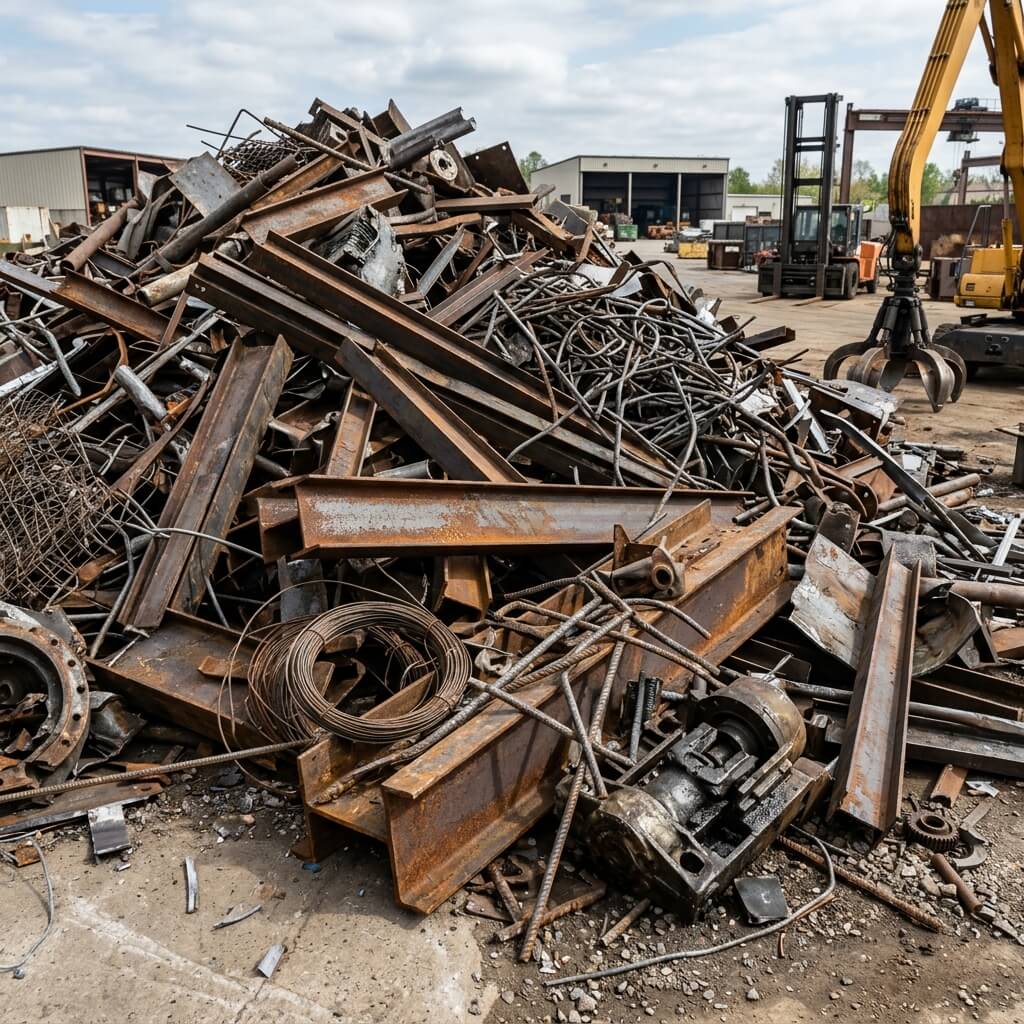
Scrap steel (ferrous scrap) consists of recovered steel from demolition sites, manufacturing offcuts, and end-of-life products. It is priced significantly lower than new steel because it requires sorting, processing, and re-melting.
Recycled steel (processed and re-smelted material) sits between the two, representing scrap that has already been refined into usable steel products again. Its pricing depends on purity levels and downstream processing costs.
Why Steel Prices Differ Across Categories
Steel prices vary across these categories due to structural differences in cost and quality.
Production cost differences play a major role. New steel requires iron ore processing, blast furnace or electric arc furnace production, and extensive energy input, making it more expensive than recycled or scrap alternatives.
Energy and processing requirements also influence pricing. Scrap steel must be collected, sorted, shredded, and melted before reuse, which introduces additional handling costs that affect its market value.
Purity and quality grades determine final pricing outcomes. Clean, well-sorted scrap steel achieves higher prices than contaminated or mixed ferrous loads, while recycled steel commands a premium when it meets strict manufacturing standards.
New Steel Prices in Australia (Per kg and Market Rates)
What Impacts New Steel Pricing?
New steel prices in Australia are driven by upstream production costs and macroeconomic demand conditions. Unlike scrap steel, which is influenced by recycling markets, new steel reflects full industrial production economics.
Key pricing drivers include:
- Iron ore cost, as it is the primary raw material in steelmaking
- Energy and fuel prices, which significantly affect furnace and processing expenses
- Manufacturing and import costs, including shipping, labour, and compliance expenses
- Infrastructure demand, particularly from construction, mining, and civil engineering projects
These combined inputs make new steel highly sensitive to both global commodity cycles and domestic industrial activity.
Common New Steel Price Range (Indicative Table)
| Steel Type | Price Range (AUD/kg) | Usage |
|---|---|---|
| Structural steel | $1.20 – $2.50 | Construction beams |
| Reinforcing steel (rebar) | $1.00 – $2.20 | Concrete support |
| Sheet steel | $1.50 – $3.00 | Manufacturing applications |
Prices vary based on grade, supplier contracts, and project-scale purchasing agreements.
Import vs Domestic Production Impact
Australia’s new steel pricing is heavily influenced by the balance between domestic production and imported supply.
Dependence on Chinese steel imports plays a major role in shaping local market benchmarks, especially when global oversupply or pricing shifts occur. Import parity pricing often sets a ceiling for domestic rates.
At the same time, Australian steel production costs are affected by higher labour expenses, energy pricing, and regulatory compliance requirements compared to some offshore producers.
Scrap Steel Prices in Australia
What Is Scrap Steel?
Scrap steel refers to end-of-life or discarded steel materials recovered from buildings, machinery, vehicles, and industrial operations. It is classified as ferrous scrap, meaning it contains iron as its primary component and is typically magnetic.
This material is one of the most widely recycled metals in Australia due to its high recovery rate and strong demand in steelmaking.
Scrap Steel Price Factors
Scrap steel pricing in Australia is influenced by both global and local market conditions.
Key drivers include:
- Global steel demand, particularly from construction and manufacturing sectors
- Iron ore and benchmark-linked pricing structures that influence steel production costs
- Collection and transportation costs, which vary by region and load size
Because scrap steel is a bulk commodity, logistics and processing efficiency have a major impact on final pricing.
Scrap Steel Price Range (2026 Estimate)
| Scrap Grade | Price (AUD/tonne) | Notes |
|---|---|---|
| Heavy steel scrap | $300 – $450 | Industrial-grade structural scrap |
| Light steel scrap | $200 – $350 | Mixed household or fragmented steel |
| Shredded scrap | $350 – $500 | Pre-processed, higher consistency material |
Recycled Steel Prices and Value Chain
How Steel Recycling Works
The steel recycling process follows a structured industrial chain that transforms discarded steel into reusable raw material for manufacturing.
It typically moves through the stages of collection, sorting, shredding, melting, and reuse. Scrap steel is first gathered from construction sites, vehicles, and industrial waste streams, then separated based on grade and contamination levels. After sorting, the material is shredded or compacted to improve handling efficiency before being melted in furnaces. The final stage involves refining and casting the molten steel into new products for construction, manufacturing, and infrastructure use.
This closed-loop system makes steel one of the most widely recycled industrial materials globally.
Why Recycled Steel Has Different Pricing
Recycled steel is priced differently from raw scrap steel because of the additional processing it undergoes before reaching usable form.
Key factors influencing its value include:
- Processing costs, including shredding, sorting, and melting operations
- Energy-intensive smelting, which significantly affects production expenses
- Quality grading after recycling, which determines how suitable the steel is for industrial applications
The more refined and standardized the output, the higher the final market value compared to unprocessed scrap.
Recycled Steel vs Scrap Steel Comparison
| Factor | Scrap Steel | Recycled Steel |
|---|---|---|
| Processing | Low | High |
| Price | Lower | Higher |
| Quality | Mixed | Standardized |
Key Drivers of Steel Prices in Australia
Global Commodity Market Influence
Steel prices in Australia are strongly shaped by global commodity markets, particularly through upstream raw material and international demand dynamics.
Key influences include:
- Iron ore pricing trends, which directly affect steel production costs
- Chinese steel production demand, as China is the world’s largest producer and consumer of steel
- International trade flows, including import/export volumes and global supply chain shifts
Because steel is globally traded, Australian prices often mirror international market conditions rather than purely domestic factors.
Energy and Manufacturing Costs
Production costs play a major role in determining baseline steel pricing across Australia.
Key cost drivers include:
- Electricity costs in steel production, especially for energy-intensive processes like electric arc furnaces
- Carbon emissions regulations, which increase compliance and operational costs for producers
Higher energy prices and stricter environmental policies generally push steel prices upward due to increased production expenses.
Construction and Infrastructure Demand
Domestic demand is another major driver of steel pricing, particularly from large-scale construction and infrastructure activity.
Key demand factors include:
- Housing boom impact, where increased residential development raises steel consumption
- Government infrastructure projects, such as roads, rail, and public utilities
Steel Price Comparison New vs Scrap vs Recycled
Simple Cost Breakdown Example
Steel pricing in Australia follows a layered cost structure depending on how the material is produced or recovered.
New steel is the most expensive category because it includes full production costs such as iron ore processing, energy consumption, manufacturing, transport, and supplier margins. It reflects the complete industrial supply chain from raw material to finished product.
Scrap steel represents the lowest raw input cost because it is recovered material from demolition, manufacturing waste, and end-of-life products. Its value is primarily determined by weight, grade, and contamination level rather than production inputs.
Recycled steel sits between the two because it is scrap that has already been processed, melted, and refined into usable steel. Its pricing includes additional energy, processing, and quality standardisation costs, making it more valuable than raw scrap but still cheaper than newly manufactured steel.
Which Is Cheapest and Why?
Each steel category occupies a distinct position in the cost hierarchy based on processing intensity and value addition.
Scrap steel is the cheapest because it is unprocessed raw material with no refining costs included at the point of sale
Recycled steel is mid-tier because it has already undergone energy-intensive processing and quality standardisation
New steel is the most expensive due to full production costs, including raw material extraction, manufacturing, energy usage, and distribution
How Businesses Can Track Steel Prices in Australia
Monitor Commodity Benchmarks
Tracking steel prices effectively starts with monitoring upstream commodity indicators that influence production costs and market sentiment.
Key benchmarks include:
- Iron ore indices, which directly affect raw steel production costs
- Steel futures markets, which reflect trader expectations and global demand outlook
These indicators help businesses anticipate price movements before they appear in local scrap or steel markets.
Use Scrap Trading Platforms
Digital scrap trading platforms provide real-time visibility into steel pricing and buyer activity across Australia. These tools help businesses compare offers and understand market conditions more accurately.
Modern platforms such as Scrap Trade, Scrap Trade Australia
- Real-time pricing comparisons across multiple buyers
- Improved transparency in scrap valuation and demand trends
- Faster access to competitive offers for both bulk and small-scale sellers
FAQs
What is the current steel price per kg in Australia?
Steel prices in Australia vary depending on whether it is new, scrap, or recycled material. New steel typically ranges from around $1.00 to $3.00 per kg, depending on grade, manufacturing costs, and market demand. Scrap and recycled steel are priced lower due to differences in processing requirements and material condition.
Why is scrap steel cheaper than new steel?
Scrap steel is cheaper because it does not require primary raw material extraction or full manufacturing processes. However, it still needs to be collected, sorted, and processed before it can be reused, which is reflected in its lower base value compared to newly produced steel.
How is recycled steel priced compared to scrap steel?
Recycled steel is generally priced higher than raw scrap steel because it has already undergone processing such as shredding, melting, and refining. This makes it closer to a finished industrial input, whereas scrap steel is still in its raw recovery form.
Do global markets affect steel prices in Australia?
Yes, Australian steel prices are strongly influenced by global factors such as iron ore pricing, Chinese steel demand, and worldwide construction activity. These factors impact both production costs and export competitiveness.
Is steel a good investment commodity?
Steel is primarily an industrial commodity rather than a traditional investment asset. Its price fluctuates with economic cycles, infrastructure spending, and manufacturing demand, making it more suitable for operational and supply-chain planning than long-term speculative investment.
Conclusion
Steel prices in Australia in 2026 vary widely across new, scrap, and recycled categories due to differences in production costs, processing requirements, and global market demand. Each category reflects a different stage in the steel supply chain, from raw recovery to fully manufactured industrial product.
Scrap steel remains the lowest-cost entry point because it is recovered material with minimal initial processing, while new steel represents the highest cost due to full production inputs, including raw materials, energy, and manufacturing overheads. Recycled steel sits between the two, reflecting additional processing and refinement costs.