

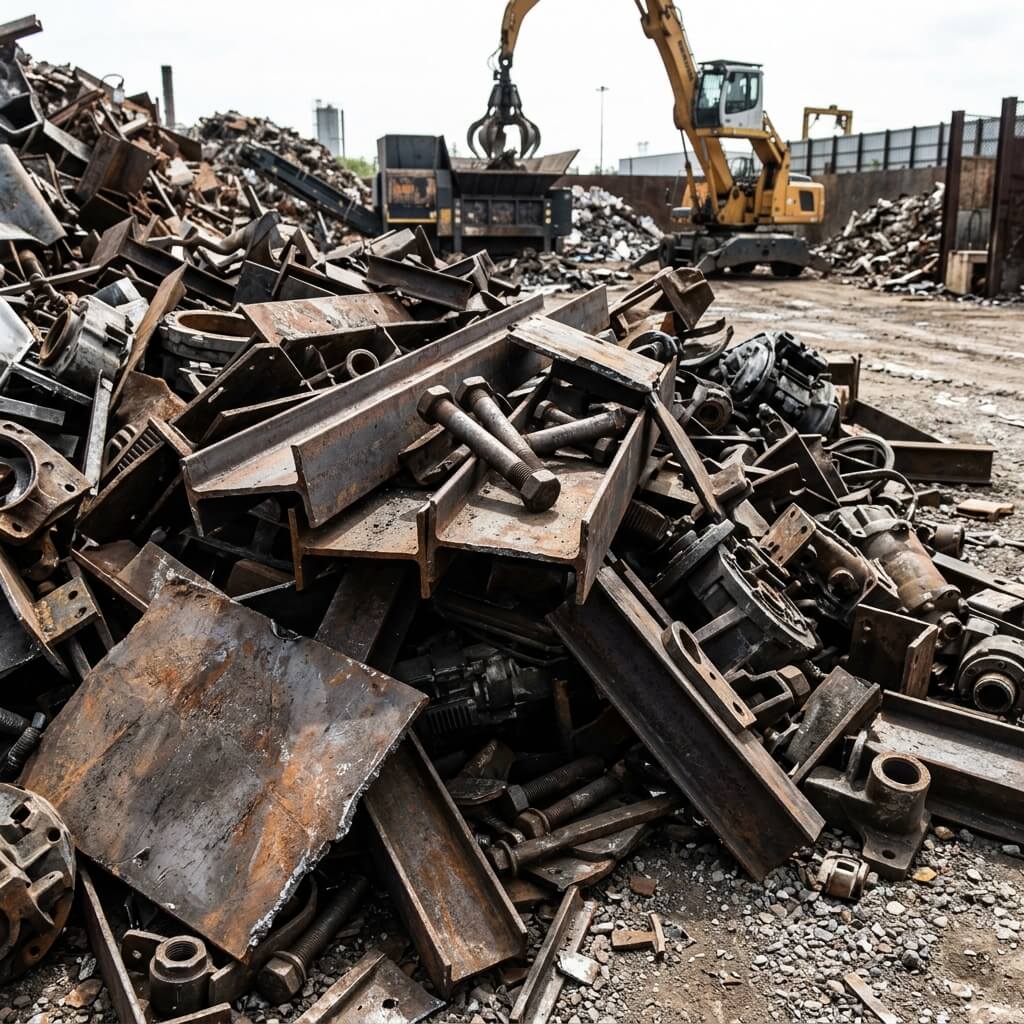
Many sellers search for “cash for heavy melt” without fully understanding what qualifies as heavy melt scrap or how pricing is determined in Australia. Heavy melt is a high-value ferrous scrap category typically sourced from demolition steel, industrial machinery, structural beams, and heavy fabrication waste. Because of its density and furnace efficiency, it is often preferred by steel mills, but its price per tonne still fluctuates based on market conditions.
What Is Heavy Melt Scrap in Australia?
Definition of Heavy Melt Scrap
Heavy melt scrap refers to thick, high-density ferrous steel that is suitable for direct charging into steel furnaces. It is typically classified under HMS (Heavy Melting Scrap) categories used in both Australian and international scrap trading systems.
Common Sources of Heavy Melt Scrap
Heavy melt scrap is primarily generated from large-scale industrial and construction activities.
Typical sources include structural steel beams and columns removed during demolition projects, steel from bridges and infrastructure dismantling, and heavy industrial machinery and equipment at end-of-life. It also comes from thick steel plates, large-diameter pipes, shipbreaking operations, and fabrication offcuts from heavy engineering work.
Why It Is Valuable
Heavy melt scrap holds strong market value due to its physical and chemical properties.
Its high density allows for efficient furnace melting, reducing energy consumption during steel production. Low contamination levels also make it easier for mills to process, resulting in higher acceptance rates and better pricing. In addition, consistent demand from steel producers supports stable market interest across domestic and export channels.
Heavy Melt Scrap Specifications (What Qualifies?)
Thickness and Size Requirements
Heavy melt scrap must meet strict physical specifications to be accepted by steel mills and large-scale recyclers. The minimum thickness is typically around 6mm (¼ inch) or more, ensuring the material has sufficient density for efficient furnace melting.
Large structural pieces are usually required to be cut down into manageable furnace-friendly sizes to improve handling and processing efficiency. Clean steel is strongly preferred, meaning minimal attachments such as rubber, plastic, paint, or coatings.
Heavy Melt vs HMS 1 vs HMS 2
| Grade | Description | Value Level | Use |
|---|---|---|---|
| Heavy Melt | Thick industrial steel | High | Furnace feedstock |
| HMS 1 | Clean heavy structural steel | Highest | Premium steel production |
| HMS 2 | Mixed or galvanized steel | Medium | General recycling |
While all three are used in steel production, HMS 1 typically commands the strongest pricing due to its superior cleanliness and consistency.
What Reduces Value
Several factors can significantly lower the price of heavy melt scrap in Australia.
Contamination from paint, rubber, plastic, or other non-metal attachments reduces processing efficiency and increases cleaning costs. Mixed non-ferrous metals such as copper or aluminium also lower classification quality. Thin sheet steel contamination further reduces the grade, often pushing material into lower-value categories.
Heavy Melt Scrap Price in Australia (2026)
Current Price Per Tonne
Heavy melt scrap in Australia typically trades in the range of AUD $380 – $520 per tonne in 2026. Clean, high-grade material that closely matches HMS 1 specifications generally achieves prices at the upper end of this range, while mixed or lower-grade heavy melt tends to sit closer to the lower band.
What Affects Price
Heavy melt scrap prices fluctuate due to a combination of global and local market forces.
Key drivers include global steel demand cycles, which directly influence mill purchasing activity and scrap consumption. Iron ore benchmarks and broader commodity pricing also shape baseline steel production economics. Export demand from Asian markets plays a major role in lifting or lowering local Australian prices depending on international competition.
Additional factors include transport and processing costs, which vary by region and load size, as well as AUD/USD exchange rate movements that affect export competitiveness.
Price Example Breakdown
| Condition | Price Impact |
|---|---|
| Clean heavy melt | +10–20% premium |
| Contaminated scrap | -15–30% reduction |
| Bulk quantities (50+ tonnes) | Better pricing per tonne |
Who Buys Heavy Melt Scrap in Australia?
Scrap Metal Yards
Scrap metal yards are the most accessible buyers for heavy melt scrap in Australia. They typically accept small to medium-sized loads and offer instant payment through cash or bank transfer after weighing and grading.
Steel Mills and Foundries
Steel mills and foundries are the primary end-users of heavy melt scrap. They purchase large volumes, often ranging from 20 to 100+ tonnes, depending on production demand.
These buyers usually offer higher per-tonne prices due to economies of scale and direct furnace usage, but they require consistent grading and low contamination levels to ensure efficient melting processes.
Scrap Metal Traders and Brokers
Traders and brokers act as intermediaries in the heavy melt supply chain. They connect sellers with mills and export buyers while managing logistics, grading verification, and price negotiation.
How to Sell Heavy Melt Scrap for Best Price
Step 1 — Identify and Separate Scrap
Start by correctly separating heavy melt scrap from other ferrous materials such as light iron or mixed steel. Proper segregation is critical because heavy melt is priced higher when it is not diluted with lower-grade scrap.
Step 2 — Clean and Prepare Material
Preparation has a direct impact on pricing outcomes. Cut oversized steel into manageable lengths to meet buyer handling requirements and improve transport efficiency.
Reducing contamination such as paint, rubber, and fittings ensures the material qualifies for higher-grade assessment and reduces processing deductions.
Step 3 — Compare Buyers
Heavy melt pricing varies significantly between scrap yards, steel mills, and online trading platforms. Always request multiple quotes before committing to a sale.
Step 4 — Choose Timing Strategically
Scrap metal prices fluctuate in line with global steel demand cycles and commodity market movements. Selling during periods of high demand can significantly improve returns.
FAQs
What is heavy melt scrap?
Heavy melt scrap is thick, high-density ferrous steel typically used in steel mill furnaces for recycling. It comes from demolition sites, industrial machinery, and structural steel waste, and is valued for its efficiency in steel production.
How much is heavy melt scrap worth in Australia?
In 2026, heavy melt scrap generally trades between AUD $380 and $520 per tonne, depending on material quality, cleanliness, location, and current steel market demand.
Is heavy melt the same as HMS scrap?
Heavy melt is closely related to HMS (Heavy Melting Steel). However, HMS 1 is usually cleaner and higher-grade, while heavy melt often refers to thick structural steel that may include minor contamination or mixed characteristics.
Who buys heavy melt scrap in Australia?
Heavy melt scrap is purchased by scrap yards, steel mills, brokers, and online trading platforms. Buyers vary based on volume, with mills typically preferring large, consistent supply and yards handling smaller loads.
What increases the value of heavy melt scrap?
Clean, thick, and contamination-free steel achieves the highest value. Bulk quantities also improve pricing due to reduced handling and transport costs per tonne.
Conclusion
Heavy melt scrap remains one of the most valuable and widely traded ferrous materials in Australia due to its high efficiency in steel production and consistent global demand. Its pricing is influenced by material quality, grading standards, and broader market conditions, with typical values ranging from AUD $380 to $520 per tonne in 2026.
Maximising returns depends on proper sorting, understanding HMS classifications, and ensuring material is clean and contamination-free. Sellers who compare multiple buyers and align with market timing consistently achieve stronger pricing outcomes.