

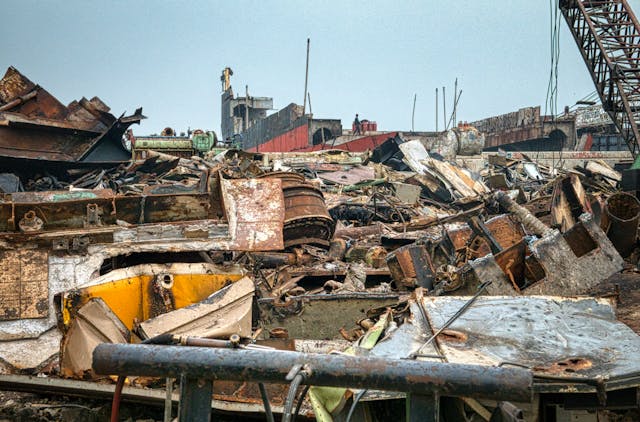
Uncertainty around when scrap policy will come is one of the biggest concerns for scrap dealers, recyclers, and industrial waste generators. Governments across the world are continuously updating waste management, recycling, and scrap trading regulations, but there is rarely a single fixed “launch date” that applies universally. Instead, scrap policies are introduced in phases, covering metal recycling rules, import-export restrictions, and environmental compliance standards.
In this guide, you’ll understand what scrap policy means, when new regulations are expected, how they impact pricing, and what businesses should do to stay compliant and profitable. This is especially important if you deal with scrap metal trading, industrial waste, or recycling operations.
What is Scrap Policy and Why It Matters?
Scrap policy refers to government regulations that control how scrap metal, electronic waste, and recyclable materials are collected, processed, sold, and exported.
Key Objectives of Scrap Policies:
- Reduce environmental pollution
- Improve recycling efficiency
- Control illegal scrap dumping
- Standardize pricing and taxation
- Promote circular economy practices
Common Areas Covered:
- Metal scrap import/export rules
- E-waste recycling compliance
- Industrial waste handling
- Extended Producer Responsibility (EPR)
- Licensing for scrap dealers
When Scrap Policy Will Come? (Reality Explained)
- There is no single global or fixed date for scrap policy implementation. Instead, governments introduce updates periodically based on environmental goals and industrial demand.
1. Policy Comes in Phases (Not One-Time Launch)
Most countries do NOT announce a single “scrap policy launch date.” Instead:
New rules are rolled out yearly or quarterly
Updates are added to existing waste management laws
States or regions may implement rules at different times
2. Recent Global Trend in Scrap Regulations
Instead of waiting for “one policy date,” the trend is:
Stronger recycling mandates
Digital tracking of scrap movement
Higher penalties for illegal dumping
Increased EPR responsibility for manufacturers
3. Example of Policy Evolution
Phase 1: Basic recycling guidelines
Phase 2: Mandatory segregation of waste
Phase 3: Digital scrap tracking systems
Phase 4: Full circular economy enforcement
Scrap Policy Impact on Scrap Metal Industry
1. Scrap Prices Become More Stable
When regulations tighten, illegal dumping reduces and formal scrap supply increases.
2. Increased Demand for Certified Scrap Dealers
Only registered and licensed scrap buyers remain active in many regulated markets.
3. Export Restrictions May Apply
Some countries restrict raw scrap exports to boost domestic recycling.
4. Better Transparency in Pricing
Digital tracking reduces manipulation and increases fair pricing.
Scrap Policy and Pricing: What Changes?
Key Pricing Factors After Policy Updates:
| Factor | Impact |
|---|---|
| Licensing requirements | Reduces informal buyers |
| Recycling mandates | Increases demand for scrap |
| Export restrictions | Stabilizes local prices |
| Environmental taxes | Increases processing costs |
How Scrap Businesses Should Prepare
1. Work Only with Registered Platforms
Using verified marketplaces reduces compliance risks.
2. Maintain Proper Documentation
Invoices, weight slips, and transport records may become mandatory.
3. Track Daily Scrap Prices
Regulated markets follow global metal indices more strictly.
4. Upgrade Sorting Systems
Clean and segregated scrap fetches higher value under strict policies.
Will Scrap Policy Increase Scrap Prices?
This is a common misconception.
Short Answer:
Not always.
Detailed Reality:
- Copper and aluminum may increase in value due to formal demand
- Mixed scrap may decrease in price due to stricter sorting rules
- Compliance costs may reduce margins for small dealers
Scrap Policy Timeline Expectation
While exact dates vary by country, typical policy cycles look like:
Yearly Updates:
- Waste management regulations revised annually
- Import/export duties adjusted
Medium-Term (2–5 years):
- Full digital scrap tracking systems
- Mandatory recycling targets
Long-Term:
- Zero landfill policies
- Fully circular industrial economy
Scrap Industry Future After Policy Implementation
1. Formalization of Scrap Trade
Unorganized scrap collection will decrease significantly.
2. Rise of Digital Scrap Marketplaces
Online platforms will dominate scrap trading.
3. Higher Entry Barriers
Small unlicensed dealers may exit the market.
4. Better Environmental Compliance
Reduced pollution and improved recycling efficiency.
FAQs About Scrap Policy
1. When will scrap policy officially come into effect?
There is no single global launch date. Scrap policies are introduced gradually through updates in environmental and recycling regulations depending on each country or region.
2. Will scrap policy affect scrap metal prices?
Yes. Scrap policies can influence pricing by increasing demand for certified scrap and reducing illegal supply channels, leading to more stable but regulated pricing.
3. Is scrap trading becoming more regulated?
Yes, governments are tightening rules on scrap collection, recycling, and exports to promote sustainability and reduce environmental impact.
4. How can I prepare for upcoming scrap regulations?
Use licensed buyers, maintain documentation, and follow proper sorting and recycling practices to stay compliant with new scrap policies.
5. Will small scrap dealers be affected?
Yes, small unregistered dealers may face challenges, while registered and compliant businesses are expected to benefit in the long run.
Conclusion
The question of when scrap policy will come does not have a single answer because scrap regulations are continuously evolving rather than launched on a fixed date. What is clear, however, is that the scrap industry is moving toward stricter compliance, digital tracking, and structured pricing systems.
Businesses that adapt early will benefit the most by working with verified platforms and maintaining compliance standards.