

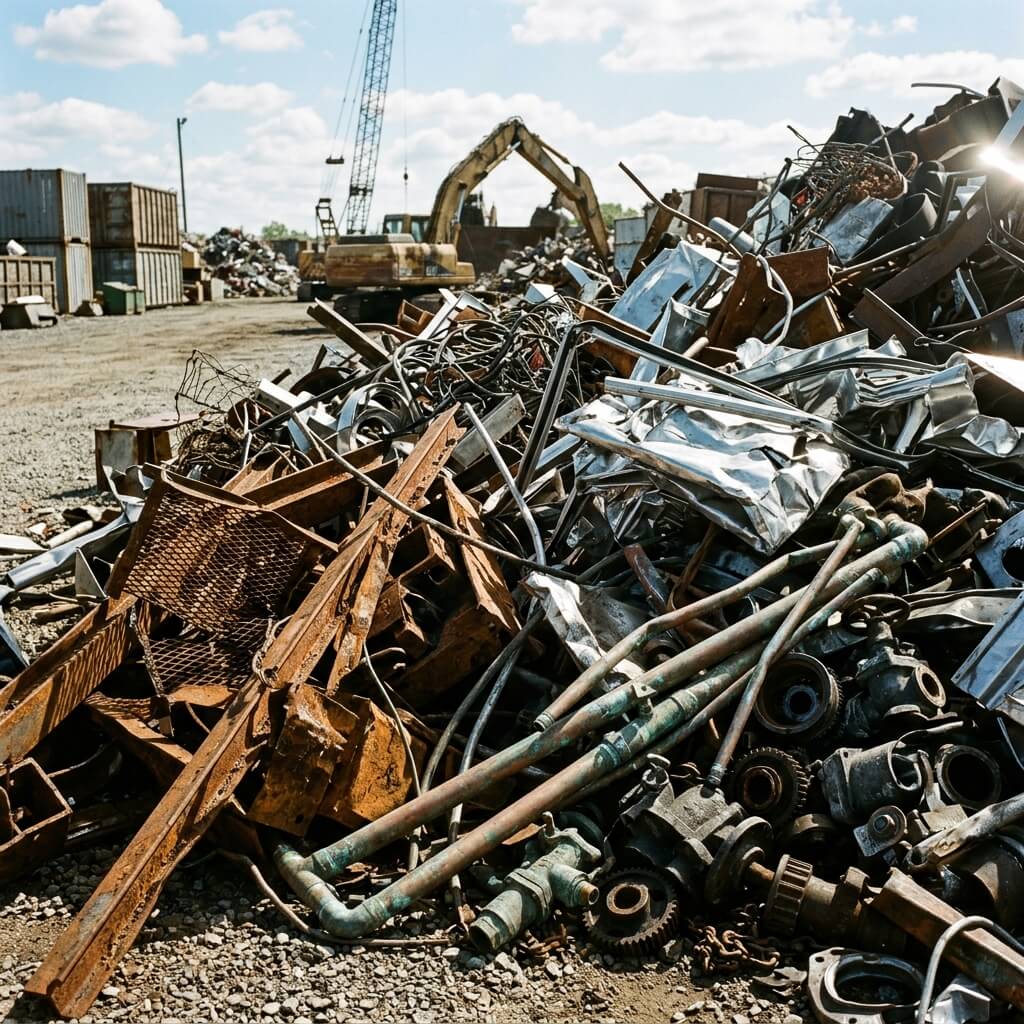
Scrap metal prices are constantly changing, and it’s common for sellers and buyers to see rates move weekly or even daily. Whether you're selling copper wire, aluminium offcuts, steel scrap, or industrial metal waste, the value of your material can fluctuate significantly over short periods.
These price changes are driven by a combination of global commodity markets, international trade conditions, currency movements, and local supply-and-demand factors. Understanding what influences scrap metal prices can help businesses, recyclers, manufacturers, and traders make more informed decisions about when to buy, sell, or hold material.
Understanding How Scrap Metal Pricing Works
What Determines Scrap Metal Value?
The value of scrap metal is influenced by several factors that determine how easily the material can be processed, recycled, and resold into the market.
The most important factor is the type of metal. Non-ferrous metals such as copper, aluminium, brass, and stainless steel generally command higher prices than ferrous metals like steel and iron due to stronger demand and higher recycling value.
Purity and grade also play a significant role. Clean, well-sorted materials receive higher payouts because they require less processing. For example, bright copper wire is worth considerably more than mixed or insulated copper due to its higher purity.
The quantity available can also affect pricing. Larger loads often attract better rates because buyers can spread transport and processing costs across greater volumes.
Finally, processing requirements influence value. Materials that require extensive sorting, cleaning, or contaminant removal are typically purchased at lower rates to account for additional labour and handling costs.
Why Scrap Prices Are Never Fixed
Unlike many consumer goods, scrap metal prices are not fixed and can change frequently. The market operates within a dynamic global commodity system where metal values are constantly adjusted based on economic conditions and industry demand.
Global trading activity plays a major role. Metals such as copper, aluminium, and nickel are traded internationally, meaning local scrap prices often react to movements in global commodity exchanges.
The London Metal Exchange (LME) and Global Commodity Markets
What Is the London Metal Exchange?
The London Metal Exchange (LME) is one of the world’s most important trading platforms for industrial metals. It sets global benchmark prices for key commodities such as copper, aluminium, zinc, lead, and nickel, which are widely used in manufacturing and construction.
The LME plays a central role in scrap metal pricing because it reflects real-time global supply and demand conditions. Recyclers, scrap yards, and traders closely monitor LME movements to adjust buying and selling rates in line with international market trends. Daily price updates help the industry stay aligned with global commodity valuations, ensuring consistency across export and domestic markets.
Metals Most Influenced by LME Prices
| Metal | LME Impact Level | Common Scrap Types |
|---|---|---|
| Copper | Very High | Copper wire, tubing |
| Aluminium | High | Wheels, cans, extrusions |
| Lead | High | Batteries |
| Zinc | Moderate | Galvanized steel |
| Nickel | High | Stainless steel |
Currency Exchange Rates and Their Impact on Scrap Metal Prices
Why the US Dollar Matters
Most globally traded metals, including copper, aluminium, and nickel, are priced in US dollars (USD). This means that even local scrap metal markets in Australia are indirectly influenced by fluctuations in the USD.
Because exporters and importers transact in USD, exchange rate movements can significantly affect profitability. When the USD strengthens, metals become more expensive in other currencies, and when it weakens, global purchasing power shifts accordingly.
Impact on Australian Scrap Sellers
For Australian scrap sellers, the AUD/USD exchange rate plays a direct role in determining how much buyers can offer.
When the Australian dollar fluctuates, it changes export competitiveness and local pricing dynamics:
- AUD/USD movements influence export margins for scrap processors
- A weaker AUD generally increases demand from export buyers
- A stronger AUD can reduce international competitiveness, lowering local scrap offers
Export-linked scrap pricing is highly sensitive to currency shifts because most end-market transactions occur in USD.
Energy Costs and Their Influence on Metal Recycling Prices
Rising Energy Prices Increase Processing Costs
Energy is one of the largest cost components in the metal recycling industry, particularly during processing and refining stages. When electricity and fuel prices rise, the cost of turning scrap into reusable material increases, which directly impacts what recyclers are willing to pay for incoming scrap.
Key cost drivers include:
- Smelting costs, where high temperatures are required to melt and refine metals
- Equipment operation costs, including shredders, balers, and separation systems
- General processing energy consumption across recycling facilities
Higher energy costs typically reduce buyer margins, which can lead to lower scrap intake prices.
Fuel Costs and Scrap Collection
Fuel prices also play a major role in determining scrap metal pricing, especially for collection and logistics operations.
Key influences include:
- Freight rates for transporting bulk scrap between yards, processors, and ports
- Collection logistics, particularly for residential, commercial, and industrial pickups
- Distance-based cost structures that affect regional versus metro pricing differences
Government Policies, Tariffs, and Environmental Regulations
Export Restrictions
Government-imposed export restrictions can significantly influence scrap metal availability and pricing. When export rules tighten, the volume of scrap leaving the domestic market may decrease, which can shift supply dynamics and affect local demand conditions.
Reduced export flow can increase domestic competition among buyers, but may also create downward pressure on prices if supply builds up within local markets.
Import Tariffs
Import tariffs and trade policies influence how metals move across international borders, directly affecting global scrap flows. When tariffs are introduced or adjusted, they can redirect supply chains and change the balance between domestic consumption and export demand.
Shifts in global trade routes often lead to price volatility as buyers and exporters adjust sourcing strategies.
Environmental Compliance Costs
Environmental regulations play a major role in shaping operational costs for recycling facilities. Strict compliance requirements can increase processing expenses but also improve long-term industry efficiency and sustainability.
Key regulatory impacts include:
Recycling facility licensing and operational standards
Emissions controls and environmental monitoring requirements
Waste handling and contamination management regulations
Which Scrap Metals Experience the Most Price Volatility?
Copper Scrap
Copper scrap typically experiences the highest price volatility among common recycled metals. This is because it is heavily tied to global industrial demand, infrastructure development, and energy transition projects such as electrification and renewable energy systems.
Even small shifts in global demand or supply disruptions can cause noticeable price movements.
Aluminum Scrap
Aluminium scrap prices are strongly linked to manufacturing cycles, particularly in automotive production, packaging, and construction industries. Because these sectors are cyclical, aluminium pricing tends to fluctuate in response to broader economic conditions.
Manufacturing slowdowns or expansions directly influence aluminium scrap demand.
Stainless Steel Scrap
Stainless steel scrap volatility is largely driven by nickel prices, since nickel is a key alloying component. When nickel markets move sharply, stainless steel scrap pricing tends to follow due to its material composition.
This makes stainless steel more reactive to alloy-specific commodity shifts rather than general demand alone.
Ferrous Scrap
Ferrous scrap, including steel and iron, is generally less volatile than non-ferrous metals but still responds to steel production demand cycles. Infrastructure spending, construction activity, and industrial output all influence pricing levels.
While more stable overall, ferrous scrap can still fluctuate during major construction booms or slowdowns.
How Businesses Can Monitor Scrap Metal Price Trends
Track Commodity Markets
Scrap metal pricing is closely tied to global commodity benchmarks, making real-time market tracking essential for businesses. Monitoring updates from the London Metal Exchange (LME) and other metal price indexes helps traders understand short-term and long-term price movements.
These indicators provide early signals of price direction for metals like copper, aluminium, and steel.
Follow Industry News
Industry developments often influence scrap metal demand before they are fully reflected in pricing data. Businesses that track market news gain an advantage in anticipating price shifts.
Key areas to monitor include:
- Large-scale infrastructure projects that increase steel and copper demand
- Manufacturing reports indicating expansion or slowdown in industrial output
- Construction sector activity and investment cycles
These factors help predict changes in underlying demand for recyclable metals.
FAQs
What causes scrap metal prices to change daily?
Scrap metal prices change daily due to fluctuations in global commodity markets, shifts in supply and demand, currency movements, and variations in industrial activity. Even small changes in these factors can quickly influence buying rates across local scrap yards.
Does the London Metal Exchange affect scrap metal prices?
Yes, the London Metal Exchange (LME) plays a major role in shaping scrap metal prices. Its benchmark pricing for metals like copper, aluminium, and nickel is widely used as a reference point by recyclers, traders, and exporters when setting local buying and selling rates.
Why are copper scrap prices more volatile than steel?
Copper scrap is more volatile because it is closely tied to global manufacturing demand, renewable energy infrastructure, and international trade flows. Steel, while still affected by demand cycles, is generally more stable due to its broader and more consistent industrial usage.
Do seasons affect scrap metal prices?
Yes, seasonal patterns can influence scrap metal pricing. Construction activity, manufacturing cycles, and infrastructure projects often fluctuate throughout the year, creating periods of higher or lower demand for recyclable metals.
How can I get the best price for scrap metal?
To maximise returns, monitor market trends, understand commodity price cycles, and compare offers from multiple buyers before selling. Selling during stronger demand periods and ensuring proper sorting of materials can significantly improve payout rates.
Conclusion
Scrap metal prices are shaped by multiple interconnected forces, including global commodity markets, supply and demand shifts, currency exchange rates, energy and fuel costs, seasonal industrial cycles, and government regulations. These variables work together to create continuous price fluctuations across metals such as copper, aluminium, steel, and nickel.
A clear understanding of these drivers allows businesses and individual sellers to make more strategic decisions about when to sell, hold, or purchase scrap materials. Rather than reacting to short-term price changes, informed participants can align their actions with broader market trends to improve outcomes.
Staying updated through reliable industry data sources and digital trading platforms helps reduce uncertainty and improve profitability in a highly dynamic market.