

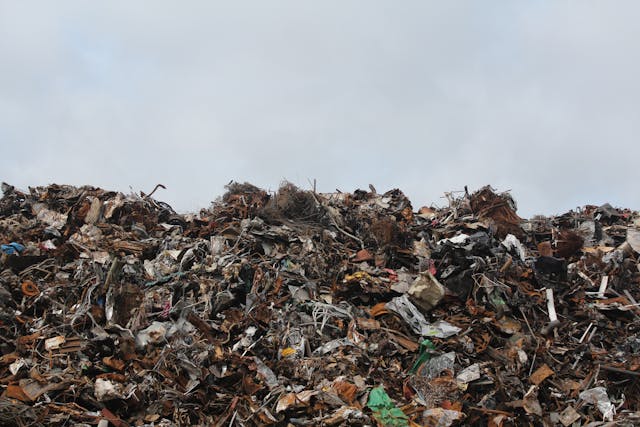
The term “why scrap net zero” is becoming increasingly important in global recycling and industrial discussions. As governments and industries move toward carbon neutrality, scrap recycling is positioned as a critical solution for reducing emissions and conserving natural resources. But what exactly does scrap net zero mean, and why is it such a major focus?
In simple terms, scrap net zero refers to making scrap processing and recycling operations carbon-neutral by minimizing emissions across collection, transportation, processing, and reuse. Understand why scrap net zero matters, how it works, and how it affects scrap pricing, trading, and sustainability goals.
What is Scrap Net Zero?
Scrap net zero refers to a system where the total greenhouse gas emissions generated from scrap collection, processing, and recycling are balanced out by emission reductions or offsets.
Core Idea:
- Reduce emissions in scrap operations
- Use cleaner recycling technologies
- Offset remaining emissions through environmental projects
The goal is to make scrap recycling environmentally neutral or carbon balanced
Why Scrap Net Zero Matters
1. Reducing Industrial Carbon Emissions
The metal industry is one of the highest carbon-emitting sectors. Scrap recycling significantly reduces energy usage compared to mining raw materials.
Example:
- Recycling aluminum uses up to 95% less energy than producing it from raw ore
- Steel recycling reduces emissions by nearly 60–70%
Scrap net zero pushes this even further by minimizing emissions during recycling itself.
2. Supporting Global Climate Goals
Countries are targeting net zero emissions by 2050 or earlier.
Scrap recycling plays a major role because:
- It reduces landfill waste
- Cuts mining activity
- Lowers industrial energy demand
3. Encouraging Circular Economy
Scrap net zero supports a circular economy where materials are reused continuously instead of discarded.
Key benefits:
- Less raw material extraction
- Longer product life cycles
- Reduced environmental damage
How Scrap Net Zero Works in Practice
- Scrap net zero is achieved through multiple steps across the recycling chain.
1. Low-Emission Collection Systems
Electric or hybrid transport vehicles
Optimized logistics routes
2. Efficient Sorting and Processing
Modern recycling plants use:
AI-based sorting systems
Automated metal separation
Energy-efficient machinery
3. Clean Energy Usage
Recycling facilities increasingly use:
Solar energy
Wind energy
Low-carbon electricity grids
4. Carbon Offsetting
Remaining emissions are balanced using:
Tree plantation projects
Carbon credits
Renewable energy investments
Scrap Net Zero and Its Impact on Scrap Prices
Scrap net zero does not just affect the environment it also impacts pricing and trade dynamics.
1. Higher Demand for Clean Scrap
Clean, well-sorted scrap becomes more valuable because:
It requires less processing energy
It produces fewer emissions
2. Premium for Certified Scrap
Scrap that meets sustainability standards may receive:
Better pricing
Priority from manufacturers
Long-term contracts
3. Increased Compliance Costs
Small scrap operators may face:
Higher operational costs
Need for upgraded machinery
Certification requirements
Scrap Net Zero vs Traditional Scrap Processing
| Factor | Traditional Scrap System | Scrap Net Zero System |
|---|---|---|
| Emissions | High | Low or offset |
| Energy Use | Inefficient | Optimized |
| Pricing | Market-driven | Sustainability-linked |
| Tracking | Limited | Digital & transparent |
| Compliance | Minimal | Strict |
Industries Driving Scrap Net Zero Adoption
1. Steel Industry
Steel recycling is one of the biggest contributors to emission reduction.
2. Automotive Sector
Car manufacturers are increasingly using recycled metals in production.
3. Construction Industry
Demolition scrap is being reused for new infrastructure projects.
4. Electronics Industry
E-waste recycling is crucial for recovering rare metals sustainably.
Challenges in Achieving Scrap Net Zero
1. High Initial Investment
- Clean energy systems
- Modern recycling equipment
2. Infrastructure Limitations
Many regions still lack advanced recycling facilities.
3. Informal Scrap Sector
Unregulated scrap collection can increase emissions and reduce traceability.
4. Technology Gaps
Not all recycling plants have access to automated or AI-driven systems.
Future of Scrap Net Zero
1. Full Digital Tracking Systems
Every scrap movement will be recorded digitally for transparency.
2. Carbon-Based Pricing Models
Scrap prices may include carbon impact factors.
3. Stronger Government Regulations
Net zero compliance may become mandatory in many industries.
FAQs
1. What does scrap net zero mean?
Scrap net zero means reducing and balancing all carbon emissions generated during scrap collection, processing, and recycling to achieve environmental neutrality.
2. Why is scrap important for net zero goals?
Scrap recycling reduces the need for mining and raw material production, significantly cutting greenhouse gas emissions in industries like steel and aluminum.
3. Does scrap net zero increase scrap prices?
Yes, in some cases. Clean and certified scrap may receive higher prices due to lower processing costs and sustainability demand.
4. Which industries benefit most from scrap net zero?
Steel, automotive, construction, and electronics industries benefit the most due to high metal recycling volumes.
5. Is scrap net zero mandatory?
Not globally yet, but many countries are gradually introducing environmental compliance rules that align with net zero targets.
Conclusion
The concept of why scrap net zero is central to the future of recycling and sustainable industry growth. It is not just an environmental initiative—it is a complete transformation of how scrap is collected, processed, and traded.
As industries shift toward carbon neutrality, scrap net zero will become a key driver of pricing, compliance, and global trade practices. Businesses that adapt early will benefit from better pricing, stronger partnerships, and long-term sustainability advantages.