

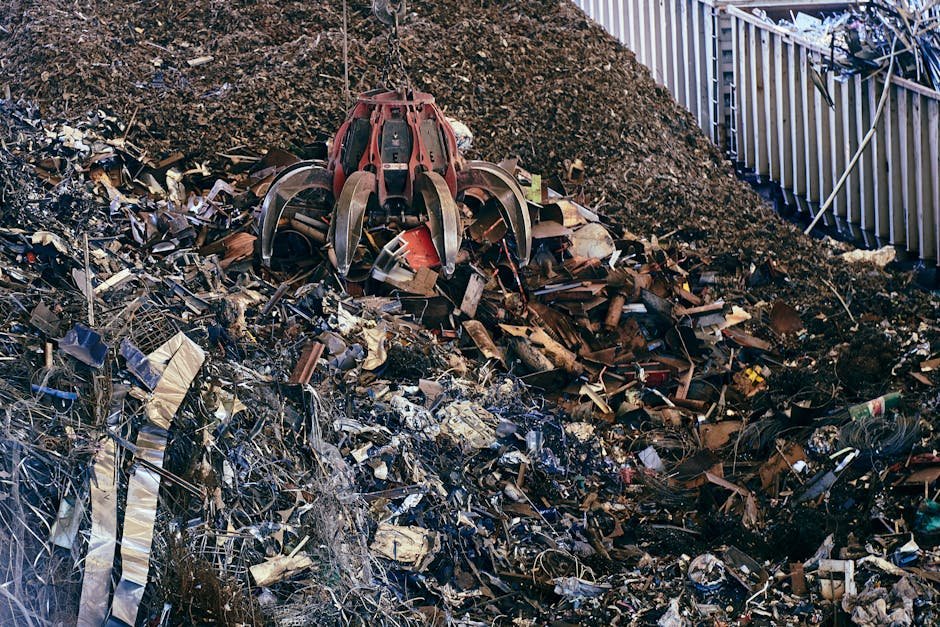
A digital metal scrap exchange global platform is reshaping how metal recycling and scrap trading operate across international markets. Instead of relying on traditional brokers and fragmented local buyers, businesses can now trade metal scrap in real time through structured digital ecosystems.
These platforms connect suppliers, recyclers, manufacturers, and exporters across countries, enabling faster transactions, transparent pricing, and efficient logistics coordination. Metals such as steel, copper, aluminum, and brass are now actively traded through online exchanges that function like global commodity marketplaces.
In this guide, you’ll learn how digital metal scrap exchange systems work, what materials are traded, how pricing is determined, and why they are becoming essential infrastructure for the global recycling economy.
What is a Digital Metal Scrap Exchange Global?
A digital metal scrap exchange global is an online marketplace where metal scrap is bought and sold across international borders through a centralized digital system.
It enables:
- Real-time global metal scrap trading
- Transparent price discovery
- Direct buyer-seller connections
- Standardized scrap classification
- Integrated logistics and export coordination
These exchanges typically handle:
- Ferrous metals (steel, iron scrap)
- Non-ferrous metals (copper, aluminum, zinc)
- Alloy scrap (brass, stainless steel)
- Industrial metal waste
- Manufacturing offcuts
The system removes inefficiencies from traditional scrap trading.
How a Digital Metal Scrap Exchange Works
1. Scrap Listing by Suppliers
Suppliers upload metal scrap details including:
- Material type
- Grade and purity
- Quantity available
- Location
- Expected pricing
2. Global Buyer Search
Buyers filter listings based on:
- Metal category
- Price benchmarks
- Shipping feasibility
- Regional demand
3. Real-Time Price Negotiation
Prices are influenced by:
- Global commodity markets
- Metal purity levels
- Freight and logistics costs
- Currency exchange rates
4. Trade Execution
Once agreed:
- Contracts are finalized digitally
- Payment terms are set
- Orders are confirmed
5. Logistics & Delivery
The platform coordinates:
- Container shipping
- Export documentation
- Customs clearance
- Final delivery to recycling plants
Types of Metals Traded on Global Scrap Exchanges
Ferrous Metals
- Steel scrap
- Iron scrap
- Cast iron materials
Non-Ferrous Metals
- Copper scrap
- Aluminum scrap
- Zinc and lead scrap
Alloy Metals
- Brass scrap
- Stainless steel
- Mixed metal scrap
Industrial Metal Waste
- Manufacturing offcuts
- Machine components
- Fabrication scrap
Pricing Structure in Digital Metal Scrap Exchanges
| Factor | Impact |
|---|---|
| Metal purity | Higher purity increases value |
| Global demand | Drives price fluctuations |
| Commodity markets | Benchmark pricing source |
| Freight costs | Impacts final landed price |
| Scrap grade classification | Affects valuation accuracy |
Example Pricing Logic
- Copper scrap → highest-value category
- Aluminum scrap → mid-to-high value
- Mixed steel scrap → lower value tier
- Contaminated scrap → discounted pricing
Why Digital Metal Scrap Exchanges Are Growing
1. Rising Demand for Recycled Metals
Manufacturers increasingly rely on scrap as a raw material source.
2. Volatility in Virgin Metal Prices
Scrap provides a cost-effective alternative.
3. Global Supply Chain Expansion
Cross-border trade in metals is increasing rapidly.
4. Digital Transformation of Commodity Markets
Online exchanges are replacing traditional trading systems.
5. Sustainability and ESG Goals
Industries are reducing carbon emissions through metal recycling.
Role of Digital Platforms in Metal Scrap Trading
Modern platforms enable:
- Global supplier-buyer connectivity
- Real-time scrap pricing visibility
- Automated trade matching systems
- Logistics integration and tracking
- Secure international transactions
Platforms like ScrapTrade support efficient digital metal scrap exchange systems by connecting global recycling ecosystems.
Despite growth, challenges remain:
- Inconsistent scrap grading standards
- High shipping and logistics costs
- Regulatory restrictions on exports/imports
- Price volatility in global metal markets
- Fraud risks in unverified transactions
Opportunities in Digital Metal Scrap Exchanges
The sector is expanding due to:
- Growth in industrial recycling demand
- Expansion of global manufacturing hubs
- Increasing adoption of circular economy models
- Advancements in digital trading platforms
- Rising value of secondary raw metals
Digital exchanges are becoming core infrastructure for global metal recycling.
FAQs – Digital Metal Scrap Exchange Global
1. What is a digital metal scrap exchange global?
It is an online platform that facilitates international trading of metal scrap between buyers and sellers.
2. What metals are traded?
Common metals include copper, aluminum, steel, brass, and stainless steel.
3. How do these exchanges work?
Suppliers list scrap, buyers purchase globally, and logistics is managed through the platform.
4. Why are digital scrap exchanges important?
They improve pricing transparency, reduce inefficiencies, and simplify global trade.
5. Are these platforms profitable?
Yes, they help businesses access global buyers and optimize metal scrap value.
Conclusion
A digital metal scrap exchange global is transforming the metal recycling industry by enabling fast, transparent, and efficient international trade. It connects global buyers and sellers while improving pricing accuracy and logistics coordination.
As demand for recycled metals continues to grow, digital exchanges will play a critical role in building sustainable and efficient global supply chains.
To participate in modern metal scrap trading ecosystems, platforms like ScrapTrade provide the infrastructure needed for scalable international exchange.