

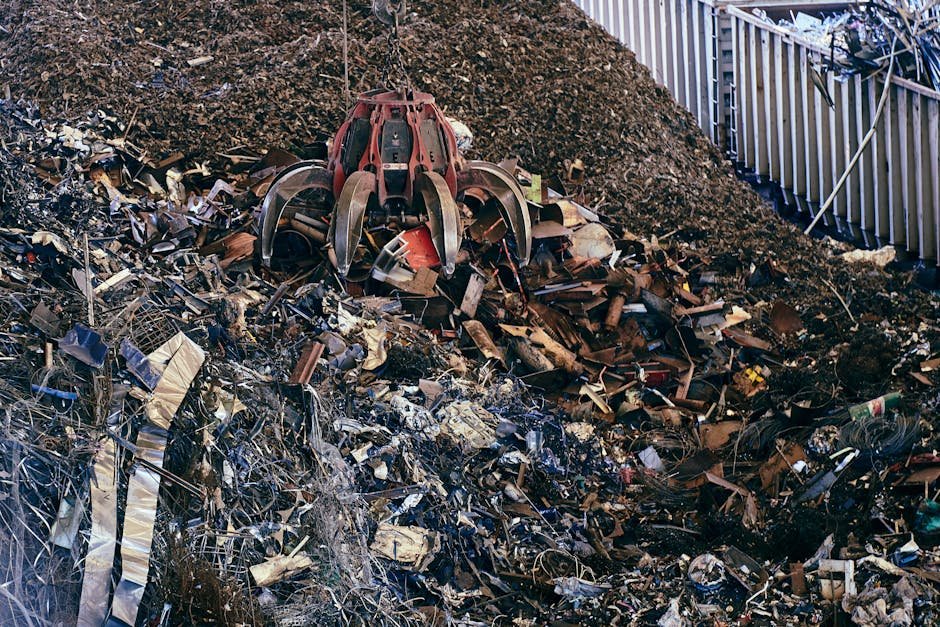
The global scrap logistics marketplace is transforming how recyclable materials move across countries, industries, and supply chains. What was once a fragmented system of local scrap yards and manual brokers is now evolving into a digitally connected, cross-border logistics ecosystem.
For scrap traders, recyclers, and industrial buyers, understanding how this marketplace operates is essential for reducing costs, improving sourcing efficiency, and scaling internationally. From containerized metal exports to real-time pricing platforms, logistics now plays a central role in determining scrap profitability.
In this guide, you will learn how the global scrap logistics marketplace works, what drives its pricing and efficiency, and how digital platforms are reshaping international scrap trade and secondary raw material flows.
What is a Global Scrap Logistics Marketplace?
A global scrap logistics marketplace is a structured system that connects scrap suppliers, buyers, recyclers, and logistics providers for the international movement of recyclable materials.
It integrates three core components:
- Scrap sourcing and trading (buy/sell exchange)
- Logistics and freight management (shipping, containers, documentation)
- Recycling and processing coordination (end-market delivery)
This ecosystem enables efficient movement of materials such as:
- Steel and iron scrap
- Copper and aluminum scrap
- Plastic waste and polymers
- Electronic waste (e-waste)
- Industrial by-products
Unlike traditional scrap trading, logistics marketplaces focus on end-to-end supply chain coordination rather than just buying and selling.
How the Global Scrap Logistics Marketplace Works
The system operates through a structured, multi-stage supply chain:
1. Scrap Generation & Collection
Scrap originates from manufacturing plants, construction sites, demolition projects, and consumer waste streams.
2. Aggregation & Sorting
Local scrap yards classify materials based on grade, contamination level, and recycling value.
3. Digital Listing on Marketplace
Suppliers upload available scrap lots with specifications such as:
- Material type
- Weight
- Grade/quality
- Location
- Available volume
4. Buyer Matching & Price Negotiation
Global buyers (recyclers, mills, exporters) evaluate listings and negotiate pricing based on global commodity trends.
5. Logistics Coordination
This is the core of the marketplace:
- Container booking
- Freight forwarding
- Customs clearance
- Export documentation
- Insurance handling
6. International Shipment & Delivery
Scrap is transported via sea freight, rail, or road to processing facilities in destination countries.
Key Components of Scrap Logistics in Global Trade
1. Freight & Container Shipping
Most scrap is shipped in:
- 20ft / 40ft containers
- Bulk cargo vessels (for high-volume shipments)
2. Customs & Compliance
International scrap trade requires:
- HS code classification
- Environmental compliance documents
- Import/export permits
3. Quality Inspection & Certification
Buyers often require:
- Third-party inspection reports
- Material purity verification
- Contamination assessment
4. Storage & Warehousing
Pre-shipment storage ensures:
- Proper sorting
- Volume consolidation
- Efficient container loading
Scrap Logistics Cost Structure
Understanding cost structure is critical in the global scrap logistics marketplace.
| Cost Component | Description |
|---|---|
| Scrap purchase price | Base material cost |
| Inland transport | Movement to port or facility |
| Loading & handling | Yard operations and packaging |
| Freight shipping | Ocean or land transport |
| Customs clearance | Documentation and duties |
| Insurance | Cargo protection during transit |
Example Cost Breakdown (Export Scenario)
- Scrap purchase cost: 60%
- Logistics + freight: 20–30%
- Compliance & handling: 5–10%
- Profit margin: remaining balance
Why the Global Scrap Logistics Marketplace is Growing
1. Rising Global Demand for Recycled Materials
Manufacturers are increasingly relying on recycled metals and plastics due to cost and sustainability pressures.
2. High Virgin Material Costs
Volatile ore and petroleum prices make recycled scrap more attractive.
3. Digital Supply Chain Platforms
Online marketplaces reduce friction in global scrap trading and logistics coordination.
4. Circular Economy Regulations
Governments are enforcing recycling targets and reducing landfill dependency.
Role of Digital Platforms in Scrap Logistics
Modern scrap logistics marketplaces are heavily digitized, offering:
- Real-time scrap pricing
- Automated freight booking
- Verified supplier networks
- Transparent material grading
- Cross-border trade facilitation
Platforms like Scrap Trade simplify international scrap movement by connecting suppliers and buyers while streamlining logistics workflows.
Challenges in Global Scrap Logistics Marketplace
Despite strong growth, several challenges remain:
- High shipping and fuel costs
- Customs delays and regulatory complexity
- Inconsistent scrap quality standards
- Currency fluctuation risks
- Limited transparency in offline trading networks
These issues often reduce efficiency and increase transaction risk.
Opportunities in Scrap Logistics Industry
The global scrap logistics sector offers significant growth potential:
- Expansion of cross-border recycling trade
- Increased demand for secondary raw materials
- Growth of ESG-driven procurement policies
- AI-powered logistics optimization
- Blockchain-based traceability systems
The industry is shifting from fragmented local trade to integrated global supply chain ecosystems.
FAQs – Global Scrap Logistics Marketplace
1. What is a global scrap logistics marketplace?
It is a digital and physical system that connects scrap suppliers, buyers, and logistics providers to manage international scrap movement efficiently.
2. What materials are traded in scrap logistics markets?
Common materials include steel, copper, aluminum, plastic scrap, and electronic waste, all transported for recycling and reuse.
3. How is scrap shipped internationally?
Scrap is usually shipped via containerized ocean freight, with full customs documentation and compliance checks.
4. What affects scrap logistics costs?
Costs depend on freight rates, scrap type, inland transport, port charges, and regulatory requirements.
5. Why are digital scrap logistics platforms important?
They improve transparency, reduce middlemen, streamline shipping, and enable faster global trade execution.
Conclusion
The global scrap logistics marketplace is becoming the backbone of international recycling and secondary raw material trade. As industries move toward circular supply chains, logistics efficiency determines profitability and competitiveness.
Businesses that adopt digital scrap trading systems and optimize logistics operations gain a strong advantage in global markets.