

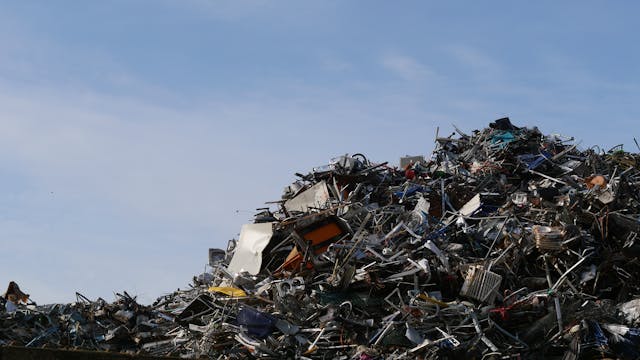
Industrial waste is no longer viewed as a disposal problem alone. Across manufacturing, recycling, logistics, and construction industries, businesses are increasingly treating waste as a recoverable resource with real market value.
A global waste-to-value marketplace creates an ecosystem where waste materials are transformed into tradeable commodities. Instead of sending materials to landfills, companies can sell reusable waste streams to buyers, recyclers, processors, and exporters across international markets.
In this guide, you’ll learn how a global waste-to-value marketplace works, which industries benefit, pricing structures, marketplace features, and how businesses can generate revenue from waste through circular economy trading.
What Is a Global Waste-to-Value Marketplace?
A global waste-to-value marketplace is a digital platform that allows businesses to buy, sell, repurpose, and trade reusable waste materials.
The marketplace transforms waste streams into commercial opportunities.
It connects:
- Manufacturers
- Recycling companies
- Waste processors
- Commodity buyers
- Exporters
- Industrial suppliers
- Sustainability-driven businesses
Instead of waste disposal, businesses monetize materials through structured trade networks.
Popular platforms include Scrap Trade, Scrap Trade Australia, and Scrap Trade Now for global waste recovery and recycling trade.
Why Waste-to-Value Marketplaces Matter
Traditional waste disposal creates operational costs.
Waste-to-value marketplaces help businesses:
- Reduce landfill dependency
- Create additional revenue streams
- Improve sustainability metrics
- Increase recycling efficiency
- Support circular economy goals
- Improve material recovery
These marketplaces convert disposal costs into business opportunities.
Types of Waste Traded in Waste-to-Value Marketplaces
Metal Waste
Metal remains one of the highest-value waste categories.
Examples include:
- Copper scrap
- Aluminum scrap
- Steel offcuts
- Brass waste
- Iron scrap
Plastic Waste
Plastic recovery supports manufacturing and packaging industries.
Examples include:
- PET plastic waste
- HDPE scrap
- LDPE film waste
- PVC materials
Industrial Waste
Industrial processes create reusable by-products.
Examples include:
- Production waste
- Factory offcuts
- Manufacturing scrap
- Residual materials
Construction Waste
Construction industries generate reusable materials.
Examples include:
- Demolition metals
- Concrete by-products
- Wood waste
- Packaging debris
Electronic Waste
E-waste contains valuable recyclable materials.
Examples include:
- Circuit boards
- Copper wiring
- Electronic equipment
- Server hardware
How a Global Waste-to-Value Marketplace Works
Step 1: Waste Identification
Businesses identify reusable waste streams.
Step 2: Material Categorization
Materials are classified by:
- Waste type
- Quality
- Quantity
- Recyclability
Step 3: Marketplace Listing
Companies upload waste inventory.
Step 4: Buyer Matching
Buyers search for reusable materials.
Step 5: Pricing and Negotiation
Pricing depends on:
- Material demand
- Processing cost
- Purity
- Logistics
Step 6: Collection and Delivery
Materials are transported for reuse or recycling.
Benefits of a Waste-to-Value Marketplace
Turn Waste into Revenue
Generate value from disposal streams.
Improve Sustainability Goals
Reduce environmental impact.
Expand Buyer Access
Reach global recycling markets.
Reduce Waste Management Costs
Lower landfill expenses.
Strengthen Circular Supply Chains
Keep materials in use longer.
Waste-to-Value Pricing Factors
Pricing depends on recoverability and demand.
| Pricing Factor | Impact |
|---|---|
| Material quality | Better quality improves pricing |
| Recycling demand | Strong demand increases value |
| Processing requirements | Extra processing lowers margin |
| Volume | Bulk waste attracts buyers |
| Export cost | Shipping impacts profit |
Example Waste Material Pricing
| Material Type | Estimated Price Range |
| Copper scrap | $6–$10 per kg |
| Aluminum scrap | $1–$3 per kg |
| Steel scrap | $150–$500 per tonne |
| Plastic waste | $200–$700 per tonne |
| Paper waste | $100–$300 per tonne |
Industries That Benefit from Waste-to-Value Marketplaces
Manufacturing
Converts production waste into revenue.
Construction
Reuses demolition materials.
Packaging Industry
Recycles cardboard and plastics.
Electronics Industry
Recovers valuable components.
Logistics and Warehousing
Monetizes packaging waste.
Challenges in Waste-to-Value Trading
Waste Quality Variability
Mixed materials reduce pricing.
Logistics Complexity
Transporting waste can be costly.
Regulatory Compliance
Waste exports require documentation.
Buyer Verification
Trust is important in waste trading.
How to Succeed in a Waste-to-Value Marketplace
Separate Materials Properly
Clean sorting increases value.
Provide Accurate Listings
Transparency improves buyer confidence.
Use Trusted Platforms
Reliable marketplaces such as Scrap Trade improve exposure.
Track Market Demand
Sell during strong pricing conditions.
Build Long-Term Partnerships
Repeat buyers increase stability.
Waste-to-Value Marketplace vs Traditional Waste Disposal
| Feature | Waste-to-Value Marketplace | Traditional Disposal |
| Revenue generation | High | None |
| Sustainability | Strong | Weak |
| Buyer access | Global | Limited |
| Circular economy support | High | Low |
| Long-term value | Strong | Low |
Future of Global Waste-to-Value Marketplaces
Circular economy growth is accelerating.
Future trends include:
- AI waste classification
- Smart recycling analytics
- Blockchain waste tracking
- Real-time marketplace pricing
- Automated material matching
Waste-to-value ecosystems will become a major part of global sustainability infrastructure.
FAQs
What is a global waste-to-value marketplace?
It is a digital platform where businesses trade reusable waste materials for recycling, repurposing, or resale.
Which industries use waste-to-value marketplaces?
Manufacturing, recycling, logistics, packaging, construction, and electronics industries commonly use them.
Is waste-to-value trading profitable?
Yes. Businesses can monetize waste while reducing disposal costs.
What materials can be traded?
Metals, plastics, paper, industrial waste, and electronic waste are common categories.
How does waste-to-value support sustainability?
It keeps reusable materials in circulation and reduces landfill dependency.
Conclusion
A global waste-to-value marketplace transforms waste into a valuable business opportunity.
It improves recycling efficiency, creates new revenue streams, and supports circular economy growth.
Businesses adopting waste-to-value strategies gain competitive advantages while reducing environmental impact.